All Articles

Live Surf Cams

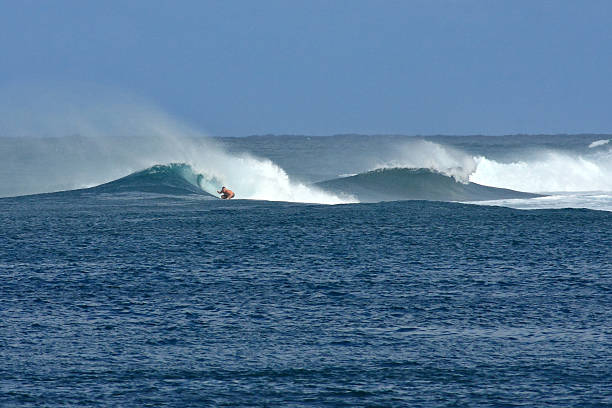
Surfline Live is a 24/7 glimpse into the world’s surf.

This stream moves through Surfline’s global camera network, showing spots where it’s daylight and rated Fair or better.

What’s The Deal With…?

Surf Icons & Heroes

Tomson remains a massive influence, not as a competitor, but as a mentor and storyteller. He speaks at events, shares his “Code” with stoked grommets, and advocates for ocean conservation. He’s a respected voice who connects surfing’s soulful past to its present, always emphasizing respect for the ocean and each other. You’ll find him sharing stories, inspiring the next generation, and occasionally still getting shacked at his home breaks, living the ethos he preaches.

Dude, it’s the ultimate hack! You can plan to be near a contest location just before it starts. The world’s best surfers and film crews flock there early, hunting for the best pre-contest swells. The vibe is electric, and the waves are often firing without the full contest crowd. Check the calendar, look at locations like Portugal or Tahiti, and book your trip for the week leading up to the green light. You might even get a free show watching your heroes freesurf.

These boutique spots fill up fast, especially for prime season. We’re talking 6 to 12 months out, no joke. For chasing a specific swell season at a legendary break, earlier is better. It ensures you get your preferred room and dates. Last-minute deals are rare unless it’s the off-season (which might mean flat spells or onshores). Don’t miss the boat—plan ahead to lock in your dream trip.

Legendary Surf Spots

Summer and early fall are magic. Southern Hemisphere swells light it up, and the prevailing offshore winds (the famous “Malibu airflow”) kick in in the afternoon, grooming the surface to glassy perfection. Swell direction is crucial; you want a solid south or southwest swell to wrap into the cove. Winter can have its days with west swells, but it’s less consistent. Honestly, a sunny summer afternoon with a south swell is the iconic Malibu experience.

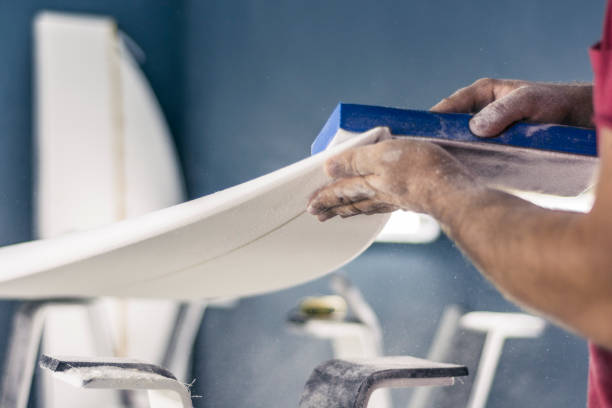
Volume, measured in liters, is your board’s overall foam. It’s the magic number for float and paddle power. More liters mean an easier paddle, a more stable platform, and better wave-catching, especially for beginners or in smaller waves. As you progress, you’ll likely drop volume for more maneuverability. Think of it like this: high volume is your reliable friend on a mellow day; low volume is for when you want to really throw the board around.

This depends on your trip’s climate. For cooler zones, a 3/2mm and a 4/3mm cover most bases. A hooded vest can be a lifesaver. One reliable changing robe is enough—just let it dry between sessions. For tropical trips, a light rashguard or a 1mm top will protect from the sun and reef. Always rinse your gear with fresh water to keep it fresh.