

All Articles

Live Surf Cams

Surfline Live is a 24/7 glimpse into the world’s surf.

This stream moves through Surfline’s global camera network, showing spots where it’s daylight and rated Fair or better.

What’s The Deal With…?

Surf History & Legends

The pioneers were absolute legends. In the 1950s, Margo Oberg became the first recognized female pro surfer, charging Sunset Beach. Then came icons like Rell Sunn, the “Queen of Makaha,“ who brought incredible style and spirit. In the modern era, it’s all about waterwomen like Paige Alms and Justine Dupont, who regularly tackle massive, heavy waves at spots like Jaws and Teahupo’o, proving that gals absolutely rip in the heaviest of slabs.

Sun protection is non-negotiable—strong sunscreen, a hat, and a quality rashguard or springsuit. Booties can be handy for rocky entries. Bring a comprehensive repair kit: Solarez, duct tape, and extra fins/keys. For the journey, have a GPS or offline maps, a satellite communicator for emergencies, and a sturdy cooler. A good camera is a plus to capture the empty lineups. And don’t forget a jug of fresh water to rinse off after your session.

The shortboard revolution, man! Around 1967-70, shapers like Bob McTavish and George Greenough started chopping feet off the nose and tail, creating shorter, lighter, more maneuverable “v-bottom” boards. Surfers like Nat Young showed you could attack the wave with radical turns instead of just trimming. This new equipment unlocked a whole new, aggressive approach. Almost overnight, the log seemed obsolete as everyone wanted to “shortboard” and rip. Performance took a massive leap forward, changing everything.

Surfboard Evolution

When it’s small and weak, you need a secret weapon—that’s the groveler. These boards are wider, flatter, and thicker than your standard shortboard, with a fuller nose and a squash or swallow tail. This design gives you maximum paddle power and planing surface to generate speed in mushy surf. They’re not for critical turns; they’re for generating fun where there seems to be none. Think of it as your small-wave cheat code to keep you stoked even on a summer day with knee-high slop.

Regular sunscreens often contain chemicals like oxybenzone and octinoxate. These wash off in the brine and can harm coral reefs, bleaching them and messing with marine life. Reef-safe formulas use mineral blockers like non-nano zinc oxide that sit on your skin and don’t damage the delicate ocean ecosystem. It’s about respecting the playground. Protecting the reef means protecting the waves and the whole vibe.

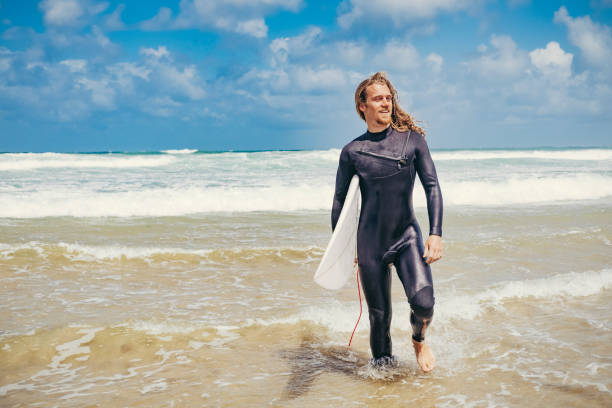
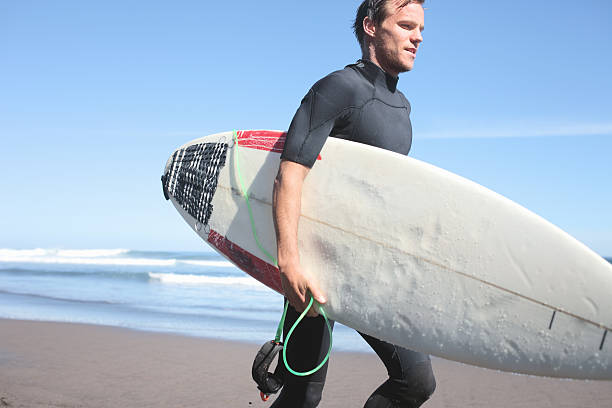
You want a suit that feels like a second skin—snug but not choking you out. Key things are the right thickness for your local water temp, flexible neoprene (especially in the shoulders for paddling), and solid construction like flatlock or glued & blind-stitched seams. A good fit is everything; no flushing of icy water down your back! Think of it as your armor against the elements, letting you stay in the lineup longer without turning into a popsicle.