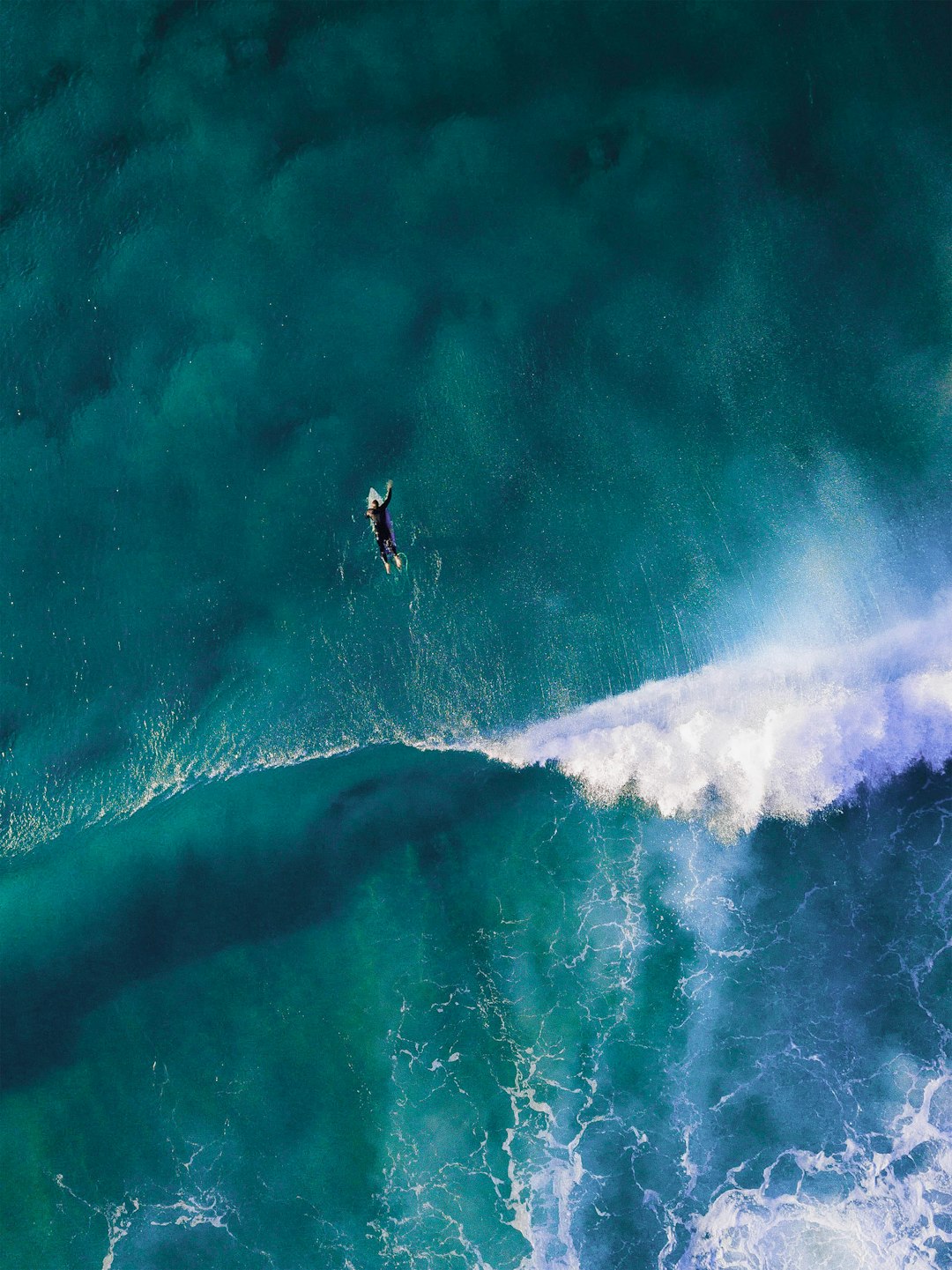
You paddle out at dawn, the ocean a glassy mirror reflecting a sherbet sky. You feel it first on your neck—a light puff from the land, cool and steady. That’s offshore wind, the surfer’s best friend. It grooms the waves, holding them up like a gentle hand under a lip, making them stand tall and hollow. But then the afternoon comes, and the breeze shifts, blowing from the sea straight into your face. That’s onshore wind, the one that chops up the surface, turns clean lines into bumpy slop, and makes you wonder why you even bothered.
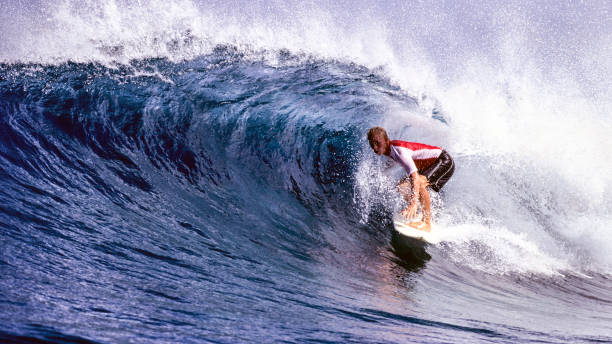
For any surfer worth their salt, reading the wind is as essential as reading a tide chart. The difference between offshore and onshore isn’t just a weather report—it’s the difference between a session you’ll talk about for weeks and one you’ll forget before you’ve dried off. Offshore wind, blowing from the land out to sea, pushes against the incoming swell. It delays the wave’s breaking, causing the lip to pitch out and create a barrel. It also smooths the face, knocking down any surface ripples from previous winds. When the wind is offshore, you get that clean, peeling wave that feels like a canvas for your turns. You hear old-timers say, “She’s glassing up, bro,” when the offshore breeze starts to lay the ocean flat. The wave face becomes this perfect wall, and if the swell is big enough and the tide right, those offshore winds will sculpt a square, hollow tube that spits you out at the end. Every surfer lives for that moment of tucking into a green room with the wind hissing over the lip, holding the curtain open just a second longer.
On the flip side, onshore wind blows from the ocean onto the land. It pushes the top of the wave ahead of the base, causing it to crumble and close out. The surface gets choppy, with whitecaps and bumps that make bottom turns feel like riding a washing machine. Onshore wind is the reason you sometimes paddle in after ten minutes, muttering about blown-out conditions. The wave loses its shape, turning into a mushy, lumpy mess where you’re fighting for speed instead of carving lines. But even onshore wind has its place. In small waves, a light onshore can actually create a bit more push, making a mushy wave stand up a little longer. Some breaks actually work better with a touch of onshore, especially if they’re protected by a point or reef that blocks the worst of the chop. And on those days when the offshore wind is howling too hard—twenty knots plus—the wave face can become so steep and fast that it’s nearly impossible to paddle into. Then you start wishing for a little onshore to soften things up. It’s all about balance.
Then there’s cross-shore wind, which blows parallel to the beach. That’s a tricky one—it can create a side-onshore or side-offshore feel depending on the angle. Sometimes it grooms the wave face but adds a drift that makes paddling a chore. The key is to know your local break. A spot that’s magic with a 15-knot offshore might turn into a washing machine with the same wind from a slightly different direction. You also have to factor in the bathymetry—the sandbars, reef channels, and headlands all interact with the wind to create unique conditions. A break that faces north might get offshore when the wind is from the north, but if it blows from the northwest, you get a side-offshore that leaves the face clean but pushes you toward the rocks. That’s the kind of knowledge you only gain by spending countless dawn patrols sitting in the lineup, watching the ripples and the way the wind combs the ocean.
Surfers have a language for all this. “It’s blowing like a freight train” means too windy. “The wind is glassy” means perfect conditions. “Offshores are holding the wave open” means barrel potential. Onshore winds are called “junk” or “crap” unless you’re being polite. But the real wisdom comes from watching the ocean before you paddle out. Look at the wave face: if it’s smooth and the lip is throwing, it’s offshore. If it’s bumpy and the wave is spilling, it’s onshore. Check the flags on the beach, feel the wind on your wet face, and look at how the spray is blowing off the wave crests—mist spraying toward the shore means onshore; mist spraying out to sea means offshore. You can also look at the cloud movement, or the way the palm trees on the beach are bending. Every surfer becomes a weatherman out of necessity. You learn the local wind patterns like you learn your own heartbeat. In many tropical spots, the wind switches from offshore to onshore as the land heats up during the day, so you know you have a window of a few hours in the morning to get your fill. That’s why the dawn patrol is sacred.
In the endless summer search, chasing the sun is half the equation. The other half is chasing the wind. You learn that a break that’s epic at 6 a.m. with a land breeze might be unrideable by 11 when the sea breeze kicks in. That’s why surfers in places like Bali or Costa Rica paddle out at dawn, when the offshore winds are still fresh from the cool land. In California, the afternoon onshore is a common curse, but some spots, like point breaks, handle it better than beach breaks because the wave wraps around a headland and the wind comes from behind. You can travel the world following the wind, just like the original Endless Summer crew. You tune your instincts to read the ocean’s mood, and you plan your sessions around that shift in the breeze. It’s not just about technique or equipment—it’s about understanding the elemental dialogue between air and water.
The wind doesn’t just affect the wave; it affects your soul. An offshore day makes you feel like you’re dancing with the ocean. An onshore day reminds you that nature runs the show. But that’s the beauty of surfing—you learn to read every whisper and roar of the wind, and you take what the ocean gives you. Whether it’s offshore perfection or onshore grind, you’re still out there, and that’s what counts. You learn to find the joy in a choppy left that barrels for a split second, or a glassy right that lets you lay into a deep cutback. The wind is the invisible hand shaping your ride, and the more you understand it, the more you realize you’re never really in control—just along for the ride on nature’s terms.