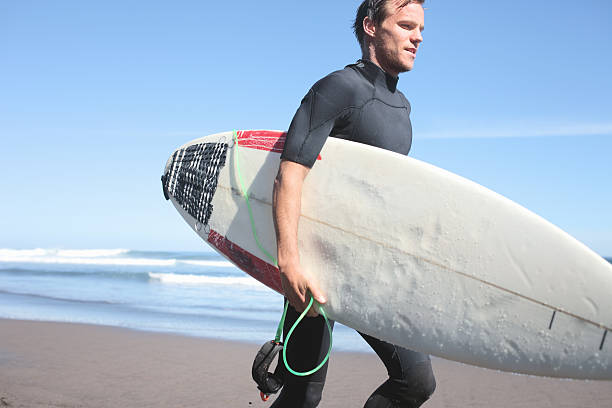
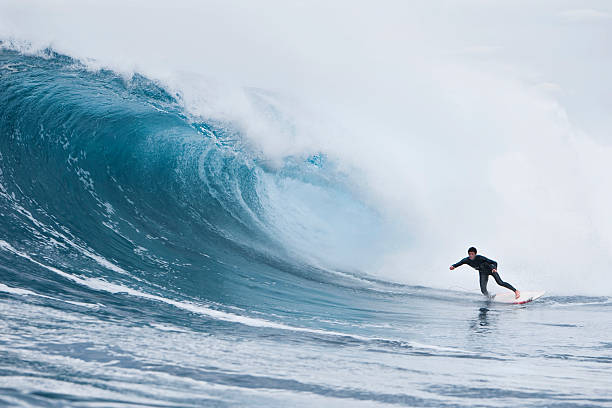
Way back before any of us were even a flicker in the lineup, the old Hawaiian aliʻi were riding massive slabs of wood—koa or wiliwili, solid timber that took a whole village to drag down to the water. That was the original surfboard: heavy, sacred, and built for only the strongest paddlers. Then the rest of the world caught on, and for decades, the go-to material for shaping a stick was balsa wood. Light, buoyant, easy to carve—balsa was the gold standard for early modern surfers like Tom Blake and the guys who started the whole California surf thing. But let me tell you, riding a balsa log had its own kind of soul. It felt alive under your feet, sure, but it was a wet sponge of a board. You’d paddle out, soak up pounds of seawater, and by the end of a session your arms were toast just from carrying the thing back to the beach.
The real game-changer—the moment surfboards got wings—happened when some clever shapers started playing with foam. Picture this: after World War II, there was all this surplus polyurethane foam being used for life rafts and aircraft floats. Some sharp-eyed surfers realized you could shape that stuff into a board and it would float just as good as balsa, but it wouldn’t soak up water. No more adding ten pounds of ocean weight after an hour in the waves. That was the first step. The second was figuring out how to glass it. They wrapped the foam blank in fiberglass cloth and drenched it in polyester resin—and suddenly, surfboards became light, stiff, and nearly indestructible. The balsa era started fading like a receding tide.
The shift wasn’t just about weight, either. It was about performance. With foam cores, shapers could dial in precise thickness, rocker, and rail shape without worrying about grain structure or rot. Bob Simmons, that crazy genius from California, was one of the first to really push foam shaping. He started using balsa stringers with foam on the sides, then later all-foam boards with a thin layer of plywood or redwood for stiffness. Simmons’ boards were ugly as sin—some looked like doorstops with fins—but they rode like nothing else. He was the first to understand that a board didn’t have to be heavy to hold a line. His designs let surfers turn faster, paddle easier, and catch waves with less effort. The foam revolution gave birth to the modern shortboard, the thruster, the fish—everything you see in the racks today.
Now, don’t get me wrong. Balsa still has its place in the heart of any old-school soul surfer. There’s a certain romance to riding a hand-shaped balsa log, feeling the grain vibrate through your feet, knowing you’re connected to a tradition that goes back centuries. But the truth is, foam made surfing accessible. Without it, we wouldn’t have the explosive vertical maneuvers, the aerial rotations, the rail-to-rail carves that define modern surfing. Foam let shapers experiment with crazy templates—the swallowtail, the diamond tail, the bat tail—without worrying about splitting a plank in half. It let surfers take a board to Bali or Hawaii without it turning into a soggy mess. And it made boards cheap enough that a kid with a summer job could buy his second or third stick, not just the one he inherited from his granddad.
Of course, the evolution didn’t stop there. We got epoxy foam, which is even lighter and stronger, and now there’s a whole movement back to sustainable materials like Paulownia wood, algae-based foam, upcycled blanks. But the big revolution—the leap from heavy timber to featherweight foam—changed surfing forever. It turned the board from a tool you carried with reverence into a weapon you could throw around the face of a wave. It let the sport explode from a handful of beach towns to a global phenomenon. Next time you grab your board, take a second to appreciate that blank inside it. That foam core is the reason you’re flying, not just floating. That’s the shift that gave surfboards wings.