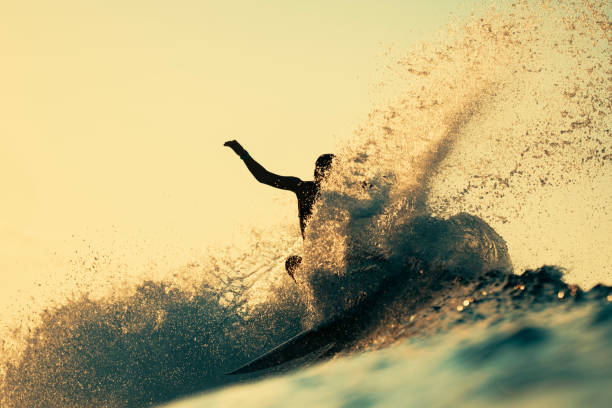
So you’ve been ripping down the beachie, you’ve got your pop-up dialed, and you’re starting to feel like you belong in the lineup. That’s gnarly. But before you paddle out to a new break with visions of endless barrels and glory, there’s one bit of surf culture you absolutely need to get wired into: the unwritten rulebook of the lineup. Surf instructors might not teach it, and no website can truly capture the vibe until you’ve felt it yourself, but for any young shredder wanting to earn that stoke without earning a stink-eye, respect is the only currency that counts.
First up, you need to understand what “locals only” actually means. It’s not a sign on the beach, though sometimes it feels like it. It’s a code, a silent agreement between the surfers who have paddled out at that same spot through flat spells, winter swells, and blown-out afternoons for years. They know the sandbars, the rip currents, the rock hazards, and the exact take-off zone for the best wave of the day. As a grommet, you are the rookie on the field. You have to earn your place, not demand it. This isn’t about being a kook or a wave-hog; it’s about showing that you respect the ocean, the spot, and the people who have been there long before you even bought your first wetsuit.
The golden rule is simple, but it takes practice to master: never drop in on another surfer. That means if someone is already riding a wave, you don’t paddle for it, no matter how good it looks. Even if you think you can make the same section, even if they’re a longboarder and you’re on a shortboard, you wait your turn. Dropping in is the fastest way to get yourself a reputation as a wave thief, and trust me, nobody wants that label. A surfer who drops in regularly will find themselves sitting alone on the inside, with no one giving them a wave for the rest of the session. It’s a lonely place to be.
Next, you have to learn how to read the hierarchy of the lineup. The best surfers, the ones who get the most waves, usually sit deeper or farther out where the peak breaks. They have priority because they’re positioned to catch the first, most critical part of the wave. If you paddle inside of them, you’re cutting the line. If you snake them—that is, paddle around to get a better position without earning it—you are asking for a stern talking-to or worse. Instead, sit a little wide, watch where the locals paddle, and wait for a lull or a cleanup wave to slide into position. Let the pack take the first set, then find your spot on the shoulder or off to the side. Patience pays off, and eventually, when you catch a good one and link a few turns, you’ll earn a nod or maybe even a shout from the beach.
Another big piece of the puzzle is knowing when to take a party wave. It happens sometimes: two surfers take off on the same wave, one going left, one going right, or both going the same direction but one pulls out early. But as a grommet, you should only take a party wave if you know the surfer, or if the wave is so fat that no one is going to claim it. Otherwise, if the wave has a defined peak and someone is already up and riding, you pull off. Better to let a wave go than to cause a collision or a confrontation. The ocean will give you another chance, I promise.
There’s also the matter of talking in the lineup. Respectful chatter is fine—complimenting a good ride, asking about the swell direction, or just exchanging a smile and a stoked vibe. But don’t be the grommet who talks too loud, hoots on every wave, or gives running commentary on the sets. Listen first. Learn the local names for the peaks, the hazards, and the prevailing wind. If an older surfer gives you advice, take it with gratitude. They might tell you where the rip is, or which channel to paddle out through. That’s knowledge you can’t buy with a new surfboard.
Finally, always, always, always look after your gear and your body language. Don’t leave your board floating around where it can hit someone. Don’t paddle straight into the impact zone when a set is coming through. And never, ever stare down a local. If you paddle up and get a glare, smile and nod. Show that you’re humble. Show that you’re there to share the stoke, not to steal it.
In the end, surfing is a conversation between you, the ocean, and everyone else out there. The best surfers in the world are also the most respectful. They know that a wave shared is a wave multiplied. So paddle out with an open heart, read the lineup like you read the tide charts, and remember that every surfer was once a grommet trying to earn their place. That respect you give today is the same respect you’ll get tomorrow, and the next day, and every day you chase that endless summer feeling.