All Articles

Live Surf Cams

Surfline Live is a 24/7 glimpse into the world’s surf.

This stream moves through Surfline’s global camera network, showing spots where it’s daylight and rated Fair or better.

What’s The Deal With…?

Surf Technique Deep Dive

Beach breaks are where waves crash over a sandy bottom, like many spots in California. They’re fun but can be unpredictable, shifting with the tides and sandbars. Point breaks are the holy grail—waves peel perfectly along a rocky point or headland, offering longer, more predictable rides. Think Rincon or Jeffreys Bay. Beachies are great for learning and airs; points are for soul-carving and finding your flow. It’s all about reading the lineup.

He set the template, bro. He was the first true surf celebrity, blending athleticism with a laid-back, friendly style. He showed that surfing was about a lifestyle connected to nature and community. His ambassadorship created the idea of the surfer as an explorer, chasing good waves around the globe—the original inspiration for The Endless Summer. The whole image of the strong, silent, waterman who lives for the sea starts with him. Every aspect of our culture, from comps to casual surf trips, flows from the path he carved.

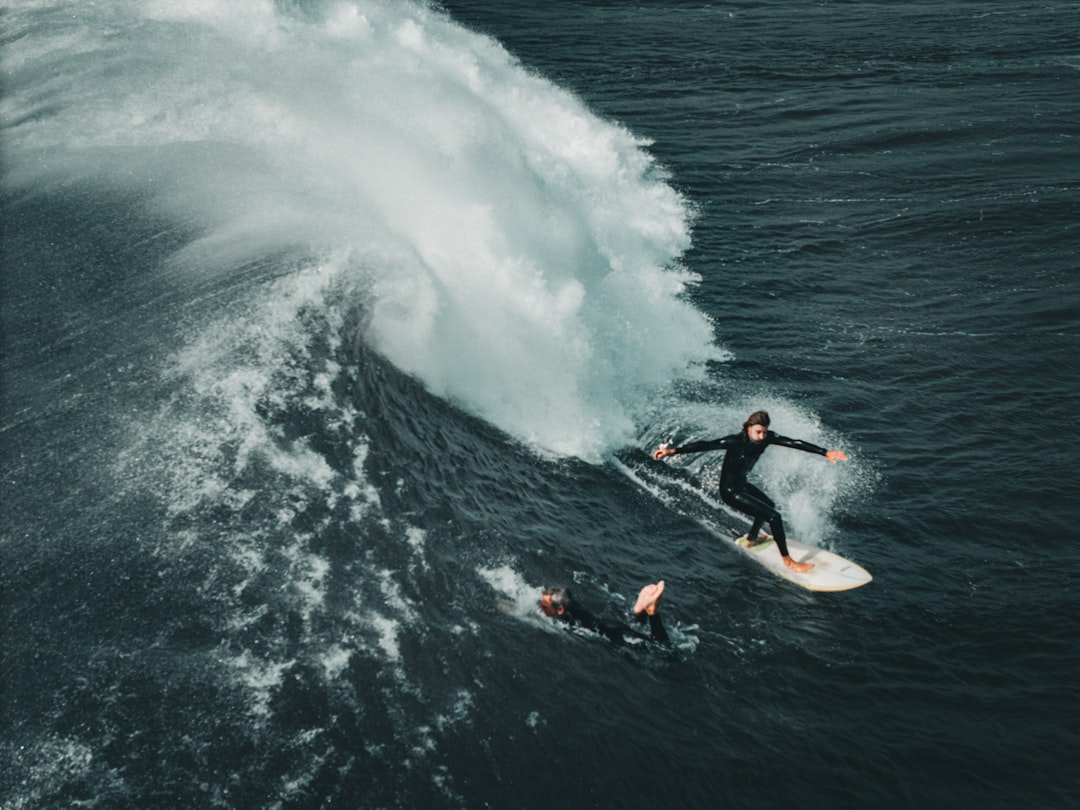
A solid leash is non-negotiable—it’s your lifeline. A well-fitting wetsuit or rash guard for sun and rub protection. Surf wax for your specific water temp. Don’t forget sun protection: zinc on the face, a hat for post-session, and sunglasses. A board bag for travel, a ding repair kit for emergencies, and a good attitude are also key gear. Keep it simple and functional so you can focus on the session.

Surf History & Legends

Miki “Da Cat” Dora was the ultimate anti-hero and soul surfer of Malibu’s golden era. He was a flawless stylist on a longboard but famously hated the commercialization of the sport. His rebellion against contests, crowds, and the “surf industry” made him a cult figure. While his skills were iconic, his later legal troubles for fraud added a dark chapter. Dora represents the purist’s conflict—the love for the pure glide versus the sell-out culture that followed the boom.

Forecasts use complex models analyzing wind, swell data from buoys, and satellite info. Sites like Surfline or Magicseaweed are pretty dialed, but they’re not crystal balls. Learn to read the basics yourself: swell direction, period, and local wind. A long-period swell from the right angle for your spot is the golden ticket. Over time, you’ll start to match the forecast to what you see on the beach, becoming your own best forecaster. It’s part science, part local knowledge.

Always pack out more than you pack in. Join a beach clean-up. Use reef-safe sunscreen to avoid harming coral. Support organizations fighting for coastal access and marine protection. Vote for policies that protect the ocean. It’s about daily habits that add up to a big difference for the places we surf.