There’s a certain kind of magic that settles over Ventura’s south side right around the time the marine layer starts to burn off. The fog lifts like a slow curtain over the Channel Islands, and out past the kelp, the lines start stacking up in neat, groomed sets. This is C-Street—California Street to the uninitiated, but to those who’ve spent enough dawn patrols scratching for a peak, it’s just the soul of the California surf scene. It’s not a place you come to be seen. It’s a place you come to disappear into the rhythm of the ocean.
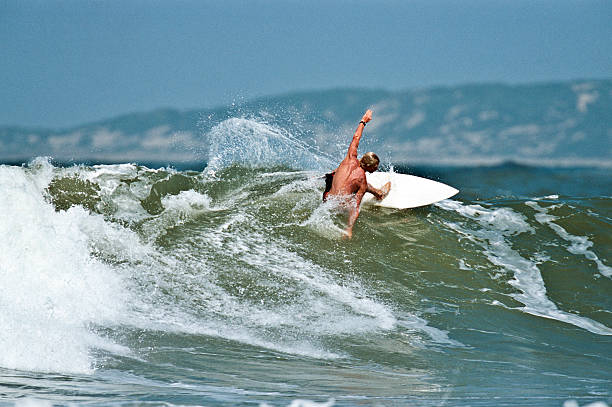
C-Street breaks over a cobblestone reef that turns big winter swells into long, rippable walls you can wrap from the outside all the way to the pier. But her real gift is consistency. When everything else up the coast is blown out by afternoon onshores, this spot holds an early morning magic that’s almost religious. You slide into the water before the sun crests the ridgeline, and the water feels like silk. The takeoff is a soft ramp that lets you drop in with your feet on the tail, and if you’re riding a proper log or a classic egg, you can walk the nose all the way through the hook.
What makes C-Street special isn’t just the wave. It’s the whole vibe. No drop-in drama, no egos inflated by social media clout. The locals look out for one another, and there’s a quiet respect code passed down from generation to generation. Surfers here know that the ocean doesn’t care about your board sponsor or your Instagram following. It only cares about how you treat the water and the people in it. That’s the spirit you feel paddling out at dawn—a tribe of salt-soaked souls who came for the same thing: a clean face on a long right point.
Surf lifestyle here is all about the small rituals that make a big life. You start with coffee from a metal thermos on the beach parking lot, hoodie pulled tight against the chill. You watch the channel to see if the swell has shifted, check the weed lines, and take a guess at who’s going to get the first set of the morning. Then you paddle out, and for an hour or two, the world shrinks down to just you and the horizon. No meetings, no emails, no traffic on the 101. Just the clean hiss of a rail biting into an open face.
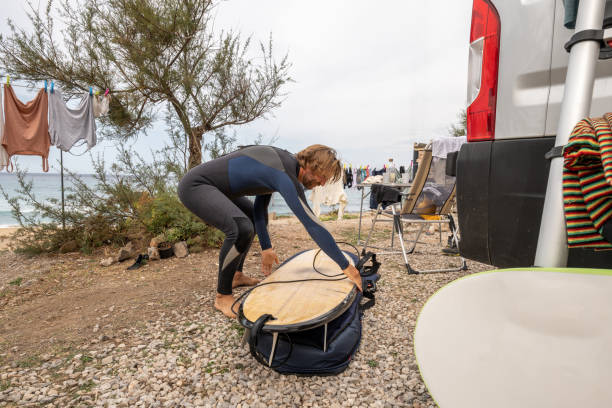
When the session winds down, the walk back to the car becomes a slow meditation. You peel off the wetsuit on the tailgate, cold wind hitting your skin, and you feel more alive than you have all week. That’s the endless summer chase—not a perfect wave every day, but a perfect morning that makes every rough session worth it. From there, you might wander over to Surfers’ Point to watch the next crew take over, or hit the coffee shop two blocks inland for a refuel and some shop talk about the upcoming south swell.
California dreaming is about more than just the waves. It’s about the light that falls across the water in late afternoon when the wind dies and the surface turns to glass. It’s the smell of salt, sand, and chaparral mixing in the warm breeze. It’s knowing that wherever you are on the coast, if you paddle out with a good attitude and a clean board, the ocean will take care of the rest. C-Street embodies that ethos perfectly. It’s a haven for the surfer who values substance over flash, who wants to chase long walls and longer memories.
If you ever find yourself near the Ventura pier with a board on your roof and a tank full of gas, point yourself toward the south end. The wave will tell you everything you need to know. But don’t just come for the wave. Come for the feeling of being exactly where you’re supposed to be, watching the sun climb over the mountains and knowing that another day of chasing the light has just begun. That’s the real California dream—a right point break that never quite loses its soul.