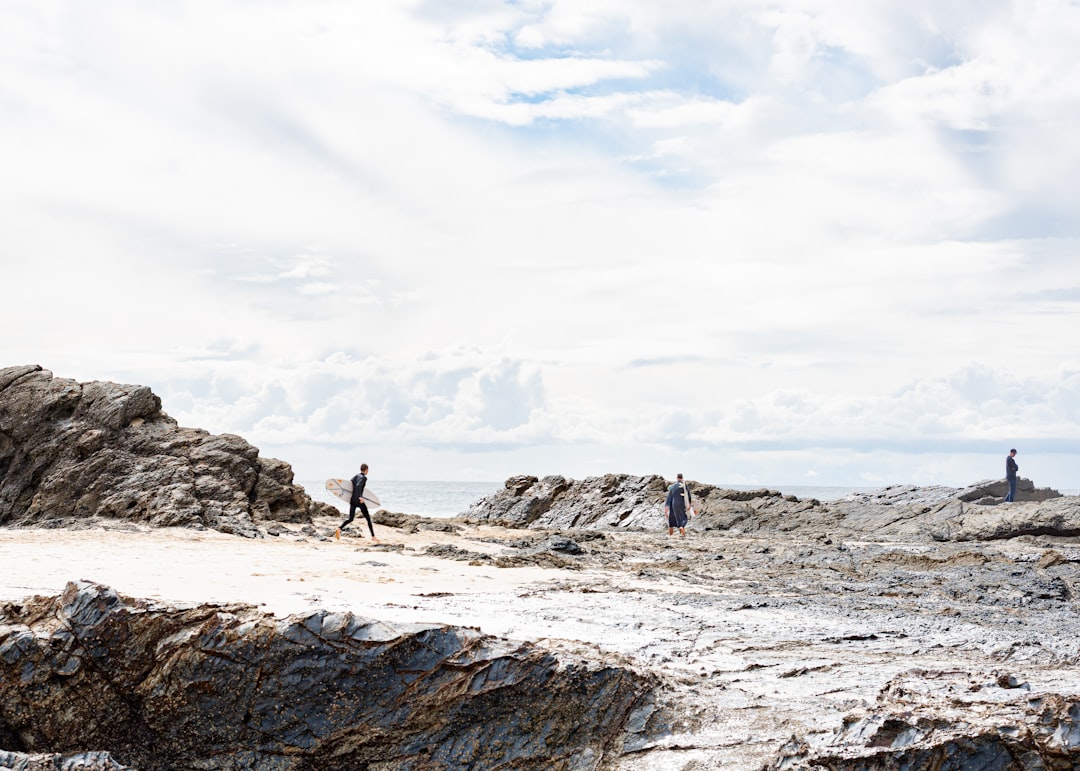
There’s something that happens when you’re sitting out in the lineup before dawn, just you and the glassy horizon, waiting for that first set to roll in. The ocean gives you a moment of pure, unfiltered peace, and in that silence, you realize just how much you owe to the sea. For decades, surfing was painted as a selfish pursuit, a hedonistic escape from responsibility, a world of getting barreled and burning down the road to the next perfect wave. And sure, there’s truth in that stoke. But peel back the wax, and you’ll find that the surf community has a deep, gnarled root system of activism and philanthropy that’s stronger than any current. We’re not just wave riders anymore; we’re the wave riders who show up to protect the very thing that gives us life.
This is the new era of surfing for a cause, a movement that’s as natural as the tide itself. It started small, with local beach cleanups organized by a few salty dogs who were tired of picking plastic out of their fins. But it’s blown up into a full-blown swell of environmental and social activism. Organizations like the Surfrider Foundation have turned that grassroots energy into a global force, fighting for coastal access, clean water, and the preservation of our beaches. They’re not just picking up trash on a Saturday morning, though that’s a huge part of it. They’re taking on oil companies, fighting against offshore drilling, and lobbying for the kind of marine protected areas that keep our reefs healthy and our waves breaking the way they should.
And it’s not just about the environment. The stoke of surfing has a healing power that’s being channeled into some truly righteous causes. Programs like Surfers Healing, founded by professional surfer Izzy Paskowitz, take kids with autism out for a day on the waves. For those kids and their families, surfing isn’t a sport; it’s a therapy, a release, a moment of pure sensory calm in a world that can be overwhelming. Then there’s the Jimmy Miller Foundation, which brings ocean therapy to veterans struggling with PTSD, first responders, and at-risk youth. You can see it in their eyes when they catch that first wave, that unbreakable connection between human and ocean, a reminder that we’re all part of something bigger than our own little section of sand.
This isn’t just a trend, it’s a return to the core values of the original Polynesian wave riders who saw the ocean as a sacred provider. In Hawaii, the concept of malama ‘āina, or caring for the land, is woven into the fabric of the culture. That reverence has traveled across the Pacific and landed in every surf town from Santa Cruz to Jeffreys Bay. When you paddle out, you’re inheriting that responsibility. The easiest way to get the stink-eye in any lineup is to leave your trash on the beach or toss a cigarette butt in the sand. It’s unwritten, but it’s law. We protect what we love, and we love the ocean with a raw, irrational passion.
The gear is changing too. A lot of the big names in surf wear are waking up and realizing that polyester and petroleum-based neoprene aren’t going to cut it anymore. Brands are moving toward plant-based resins, recycled plastics in board shorts, and wetsuits made from limestone or even recycled car tires. It’s not perfect yet, but it’s a step. The collective push from the surf community has been the real driver here. When surfers stop buying boards wrapped in toxic foam, the shapers change their formula. It’s economic activism, done from the lineup.
There’s also a growing movement of surfers using their platforms to raise money for causes that go beyond the shoreline. When a massive swell hits a coast and wipes out a village, it’s the local surf crew that’s first on the scene with supplies and manpower. When a reef is dying from coral bleaching, it’s the freediving surfers who are out there planting new coral. The ocean doesn’t care about your logo or your Instagram following. It cares about action. And the surf community is showing up, paddle in hand, ready to do the work.
So next time you slide into your wetsuit and paddle out, remember that you are part of something bigger. The salt in your hair is a badge of belonging to a tribe that stands for the health of our planet and the well-being of our brothers and sisters. The ultimate stoke isn’t just scoring a perfect left-hander all to yourself. It’s knowing that the wave you just rode will still be there for the next generation of groms if you do your part to protect it. That’s the real endless summer, the one we build together with every beach cleanup, every therapy session in the water, and every fight for a cleaner ocean. Catch the wave, but leave the lineup better than you found it.