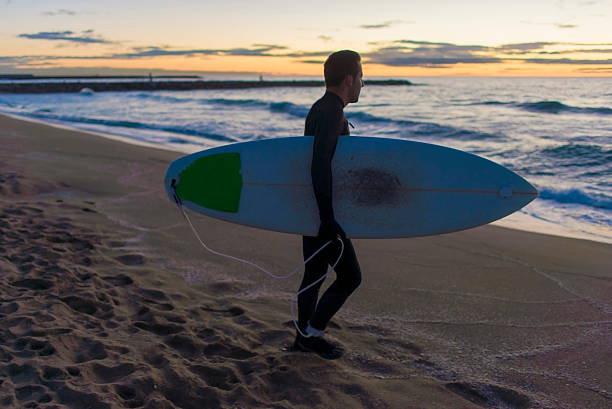
You paddle out at dawn, the ocean glassy, the horizon painted in hues of coral and gold. Your arms feel light, your lungs expand with cool salt air, and when that first set rolls in, you drop in with the kind of speed and control that makes every drop feel like a gift. That feeling, that effortless glide, isn’t just about muscle memory or board shape. It starts with what you put in your tank the night before. The surfer’s diet is not about counting calories or depriving yourself of life’s pleasures. It is about recognizing that food is the fuel that powers your paddle, sharpens your reflexes, and keeps your stoke alive through the long, sun-soaked hours in the lineup.
The ocean demands a lot from you. Paddling out through a shore break, duck-diving under a churning wall of whitewater, and holding your breath for a critical tube section all tax your cardiovascular system in a unique way. Unlike a runner or a cyclist, you are not on a steady, predictable plane. You are working anaerobically in short, explosive bursts, then floating and recovering, then doing it all over again. This is why many of the most seasoned surfers swear by a diet rich in complex carbohydrates and healthy fats. Think of a bowl of oatmeal with berries, a dollop of almond butter, and a drizzle of local honey before a morning session. That combination gives you slow-burning energy that doesn’t spike your blood sugar and crash you mid-session. You want fuel that burns like dry driftwood in a campfire, steady and hot, not like kindling that flares up and turns to ash in minutes.
Beyond the paddle power, there is the issue of inflammation. Surfing is a high-impact, repetitive motion sport. Your shoulders rotate through thousands of paddling strokes. Your neck twists to read the horizon. Your lower back supports you as you pop up. These micro-traumas accumulate, and if you are feeding your body processed junk, fried foods, and excessive sugar, you are throwing gasoline on that inflammatory fire. An anti-inflammatory approach is key for the long-haul surfer. This means loading up on omega-3 fatty acids from fish like salmon, mackerel, or sardines, which are not only good for your joints but also support brain health for better wave reading and reaction time. Turmeric, ginger, leafy greens, and pineapple (with its natural bromelain) all help your body repair and recover. You are essentially telling your muscles and tendons, through the food you eat, that you love them and want them to last for the next fifty years of dawn patrols.
Hydration is a topic that gets brushed aside, yet it is the single most common reason a surfer wilts in the water. You lose more fluid through breathing and sweating in a wetsuit than most people realize. If you paddle out dehydrated, your blood thickens, your heart works harder, and your mental clarity fades. That wave that you would normally read perfectly suddenly comes at you weird, and you fumble the take-off. The solution is not chugging a gallon of water right before you paddle out, which just makes you feel sloshy. It is about consistent hydration throughout the day. Infuse your water with lemon and sea salt for natural electrolytes. Eat water-rich foods like watermelon, cucumbers, and oranges. Coconut water is nature’s perfect sports drink for a surfer. It is light, refreshing, and packed with potassium to prevent those gnarly cramps that can seize up your calf muscle just as you are about to pull into a barrel.
Let’s talk about the pre-session meal. Timing is everything. Eating a heavy, greasy burrito an hour before you hit the water is a recipe for disaster. You will feel sluggish, your body will be diverting blood to your stomach to digest that heavy load, and you might even find yourself revisiting that burrito in the lineup, which is never a good look. The ideal pre-surf meal is small, balanced, and eaten about ninety minutes before you paddle out. A banana with a smear of peanut butter. A couple of hard-boiled eggs with an avocado. A small smoothie with spinach, a scoop of protein, and a handful of frozen mango. Keep it simple. Your body prefers to digest simple, real food while you are exerting itself.
Then there is the post-surf re-fuel, which is arguably the most important window of your day. After a session, your muscles are damaged, your glycogen stores are depleted, and your body needs rebuilding blocks. This is the time to be a little more deliberate. A protein-rich meal within an hour of coming in will accelerate your recovery. Think grilled fish tacos with a fresh mango salsa and black beans. A bowl of quinoa with roasted vegetables and chicken. Even a simple turkey and avocado sandwich on whole grain bread will do the trick. The point is to replenish what you burned, not to starve yourself. Too many surfers skip this meal, thinking they will “burn it off anyway,“ only to feel weak and foggy the next day.
The core lesson of the surfer’s diet is respect. Respect for the ocean that demands so much of you. Respect for your body, which is your only vessel for chasing waves. When you choose real, whole food over packaged convenience, you are not just being healthy. You are making a choice to show up in the lineup as your best self. You are choosing to have the stamina for that extra hour-long session. You are choosing to have the clarity to see the sneaker set rolling in. You are choosing to feel light, powerful, and present in the water. That is the true meaning of fueling the stoke. It isn’t a diet. It’s a way of living in harmony with the waves.