All Articles

Live Surf Cams

Surfline Live is a 24/7 glimpse into the world’s surf.

This stream moves through Surfline’s global camera network, showing spots where it’s daylight and rated Fair or better.

What’s The Deal With…?

Surf Lingo Explained

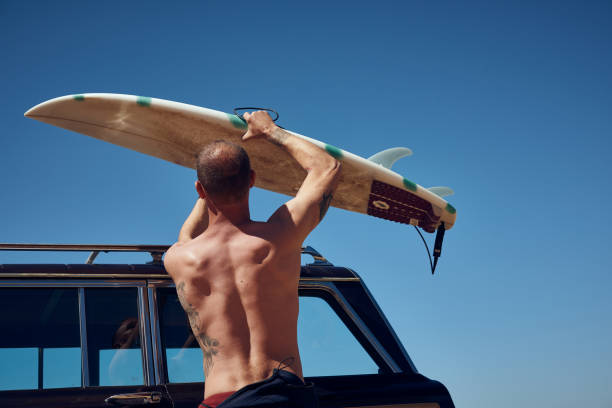
It’s not just about riding waves; it’s a full immersion. It’s prioritizing dawn patrol, having saltwater in your veins, and your schedule revolving around tides and swell. It’s worn-out wetsuits, ding repair in the garage, and road trips with boards on the roof. It’s a deep respect for the ocean, a tight-knit crew, and a mindset that values experiences over possessions. The ocean is your church, and every session is a form of meditation.

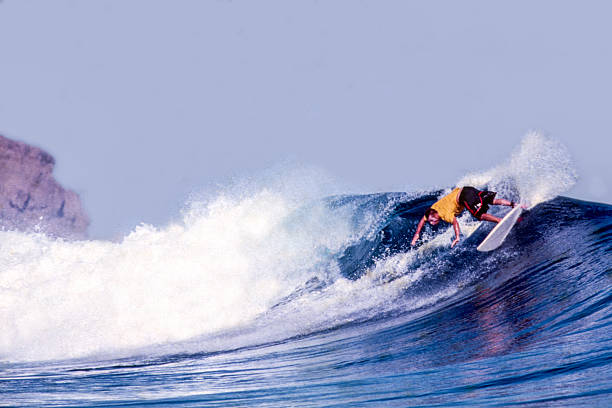
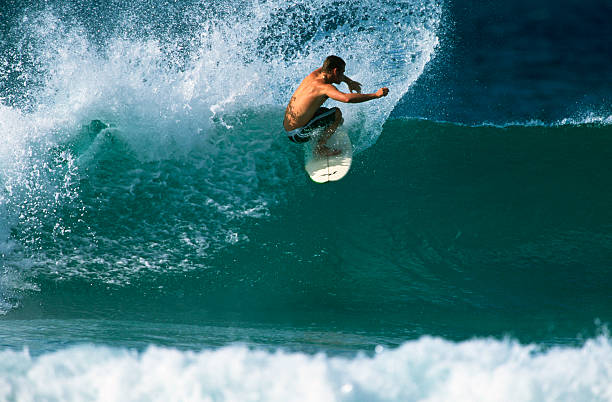
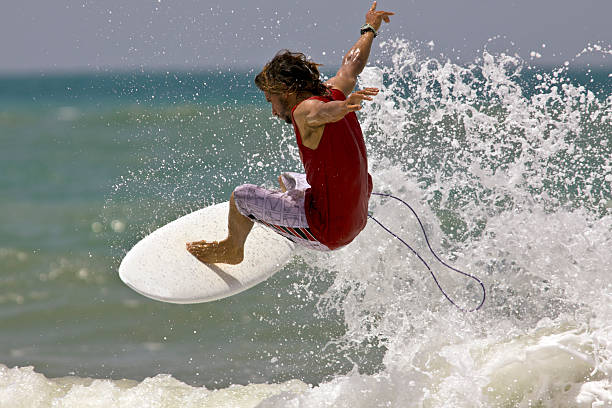
Start small and on the right wave. Find a soft, crumbling section instead of a pitching lip. Begin with a straight air, or a little “air reverse.“ The key is the launch: a solid, upward-focused bottom turn is your launch pad. Pop off the lip like an ollie, keeping your board under you. Don’t look down! Spot your landing in the foam ball. It’s gonna feel sketchy at first, but commitment is everything. Start on a foamie or a fish for more forgiveness.

Look to the horizon, not just at the water in front of you. Watch for a darker, thicker line forming way out there. Often, you’ll see the horizon seem to “boil” or disappear as the set approaches. Also, keep an eye on the more experienced surfers in the water; if they suddenly start paddling with purpose toward the horizon, they’ve likely clocked a set. It’s about reading the subtle signs before they become obvious.

The Surfing Life

Beyond the standard bandages, pack items for surf-specific injuries. Include antiseptic for reef cuts, waterproof tape and super glue for sealing those gashes, and anti-inflammatory pills. Throw in some ear drops to prevent surfer’s ear flare-ups, zinc for sun protection, and a good seasickness remedy if you’re doing boat trips. A small tube of solarez can fix board dings that might cut your feet. Being prepared lets you handle minor issues and get back in the water faster.

A quick “Left!“ or “Right!“ lets others know which way you’re going, preventing collisions. It also helps when two people are paddling for the same wave—clear communication decides who goes. A little “Go for it!“ to someone deeper is good karma. It’s all about avoiding the chaos and keeping things friendly. Clear calls make for smoother sessions and fewer close calls.

As a surfer, you’re in the water daily, so you see the changes firsthand—pollution, plastic, weird algae blooms, and shifting sandbars. You feel the water temp and see the marine life. This intimate connection makes ocean conservation personal. Protecting the break means protecting your stoke. It’s about keeping the lineup clean and the waves pumping for the next dawn patrol.