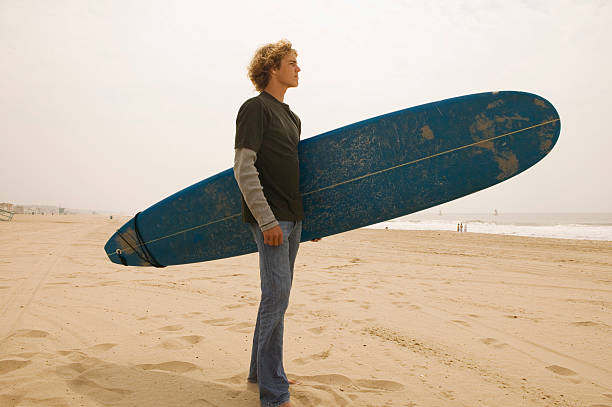
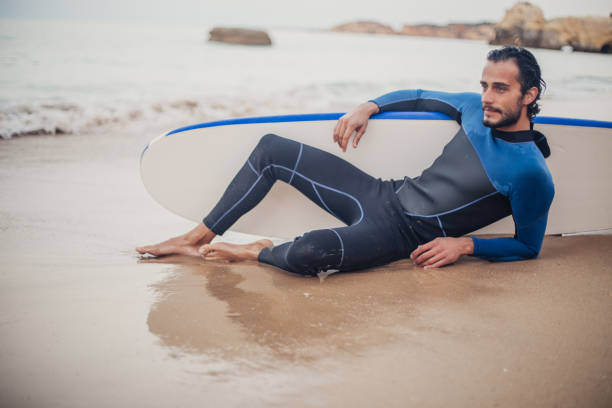
Back in the day, when we were still riding balsa logs and thinking a leash was a suggestion from the city folk, surf apparel was about as simple as a fish taco. You grabbed your mom’s old cutoff Levi’s, tied a shoelace through the belt loops, and paddled out into the shorebreak. But let’s be real, nobody talks about the rash. The chafing from wet, sand-crusted denim was a rite of passage that left more scars than a wipeout on a dry reef. That was the old school. Today, we are living in a golden era of surf apparel where the line between style and function has all but melted away. We are talking about boardshorts that feel like a second skin, rashguards that block the sun like a palm tree, and a whole culture of brands that don’t just sell you clothes—they sell you a ticket to the endless summer.
The shift was seismic. You can trace the modern boardshort right back to the heavy canvas duck shorts of the 1960s, but the real breakthrough wasn’t just the fabric. It was the drainage. Anyone who has tried to paddle out in a wet pair of cotton trunks knows the feeling of a water balloon strapped to your waist. Then came the mesh lining. Then came the four-way stretch. Then came the water-repellent coatings that shed the ocean like a duck’s back. Now, a good pair of boardshorts weighs less than a wet towel and dries before you finish your post-session burrito. That’s not just evolution; that’s a revolution.
But don’t think this is just about speed and comfort. Function dictates style on the wave. A loose, baggy short might look killer walking down the boardwalk, but try pulling a deep bottom turn with a sail attached to your leg. The best apparel companies figured out that range of motion is the unsung hero of surf gear. They engineered four-way stretch, reinforced seams, and a tacky waistband that refuses to let the wave rip your shorts down to your ankles on a heavy drop. Hook-and-loop fly closures replaced the old string-tie nightmares, and now we have hidden pockets that hold a car key or a wax comb without messing with your balance.
Let’s talk about the sun. When you are out on the water for a double-overhead session, the sun is a silent predator. The modern rashguard—or lycra, as the old guard calls it—is not just a rash guard anymore. It’s a UV-blocking, quick-drying, second-skin fortress that lets you stay out for hours without turning into a lobster. Brands started using titanium dioxide fibers and hydrophobic yarns that repel water, salt, and even the nastiest barnacles. The look? Slick, minimalist, but with that little splash of color that screams, I got barreled yesterday and I’ll do it again today. That’s style. That’s function.
Now, you see a lot of brands pushing the envelope with hybrid gear. Neoprene vests that look like a hoodie. Fins built into the sole of a bootie. Wetsuits that zip from the chest so you don’t lose your cool while fighting the Velcro. But the real winner is the material science. Companies like O’Neill, Rip Curl, and Patagonia are using recycled nylon from fishing nets and algae-based neoprene. They have figured out that a clean wave demands a clean beach, and that extends to the clothes you keep in your truck. The style is earthy, a little rugged, and seriously dialed in. It is fashion that respects the ocean, not just uses it.
The culture has shifted too. You don’t just buy a shirt; you buy a story. A logo from a local shaper in Costa Rica. A hand-drawn wave print from a Japanese artisan. A brand that sponsors the local caddie at your home break. That is the soul of surf apparel. It is about wearing the salt stain like a badge of honor. It is about the sun-faded colors on your favorite boardshorts that tell a story of road trips, flat spells, and that one perfect afternoon when the swell lined up like a train.
So whether you are pulling on a pair of industry-standard stretch trunks or a vintage-style loose fit, remember one thing: the gear is just a tool. The wave is the master. The best apparel in the world won’t make you a better surfer, but it might just let you stay out long enough to find out what the ocean wants to teach you today. Go chase the sun. The water is calling.