All Articles

Live Surf Cams

Surfline Live is a 24/7 glimpse into the world’s surf.

This stream moves through Surfline’s global camera network, showing spots where it’s daylight and rated Fair or better.

What’s The Deal With…?

Mastering the Waves

Seams are where the warmth escapes! Flatlock stitching is classic and flexible but lets in tiny amounts of water (great for warmer suits). Glued & Blind-stitched (GBS) is the gold standard—the seams are glued, then stitched without piercing all the way through, making them way more watertight. Liquid taped seams have a waterproof sealant painted on the inside for the ultimate barrier. For cold water, you want GBS with liquid taped seams. It’s the difference between being chilly and being totally locked in.

Your quiver depends on the season and break. In summer, a boardies and rash vest combo is perfect. Winter might call for a 2mm spring suit. Board-wise, bring your good-wave shortboard for the points. A hybrid or fish is awesome for smaller days at the beachies. Don’t forget the essentials: a solid leash, wax, and reef booties aren’t a bad idea for rocky points. Sun protection is non-negotiable—the Aussie sun is fierce, so use zinc and a hat.

Not really, brah. For a week or two, it’s fine. But for long-term storage in your garage or shed, you should take them out. Trapped moisture can lead to delamination and mildew, especially in humid climates. Store them upright in a board rack or on their side in a cool, dry place. The bag is for transport and short-term protection, not for a multi-season hibernation. Let your boards breathe.

Surf History & Legends

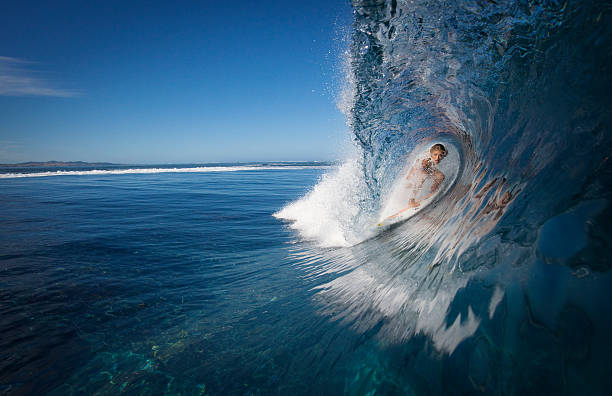
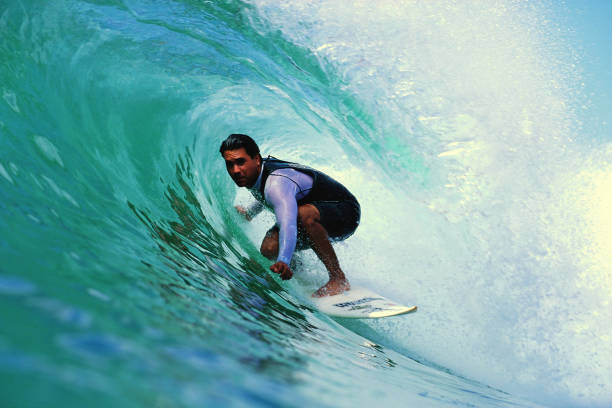
Pipe is the ultimate test. A shallow, razor-sharp reef focuses Pacific swells into thick, hollow lefts that throw over like a freight train. It’s the pinnacle of power and consequence, separating the pros from the rest. Getting barreled here is the dream shot for a reason—it’s a perfect, terrifying tube. Respect for the break and those who ride it is everything in the North Shore hierarchy.

Your main options are chartering a boat or driving 4x4 vehicles along rough, dusty roads. Boat trips are king for accessing the remote, world-class breaks along the coastline, linking up with surf camps or charters. If you’re land-based, a sturdy 4x4 with a local driver who knows the tracks is essential. It’s not a place for casual cruising; transport is part of the adventure. Be ready for long, bumpy journeys that make that first wave taste even sweeter.

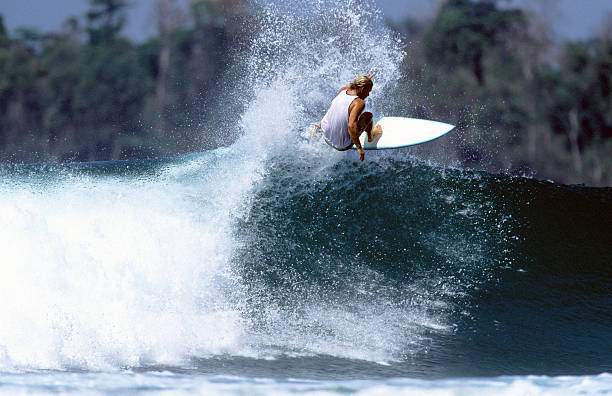
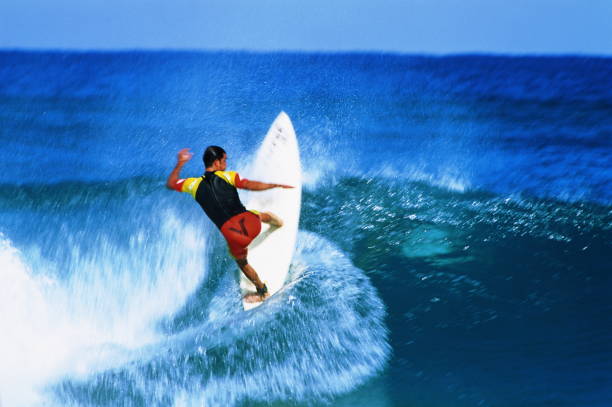
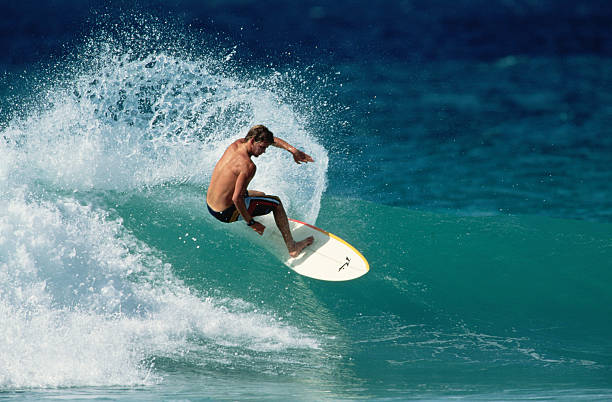
Focus on your compression and extension. Really sink low as you approach the bottom, coiling your body. Then, explode upwards and into the turn, driving off that back leg. It’s not just a lean; it’s a full-body push. Engage your core and shoulders, following your head and eyes. Practice on smaller, forgiving days to build the muscle memory. Stronger legs and core from land training help massively, too. Power comes from the push.