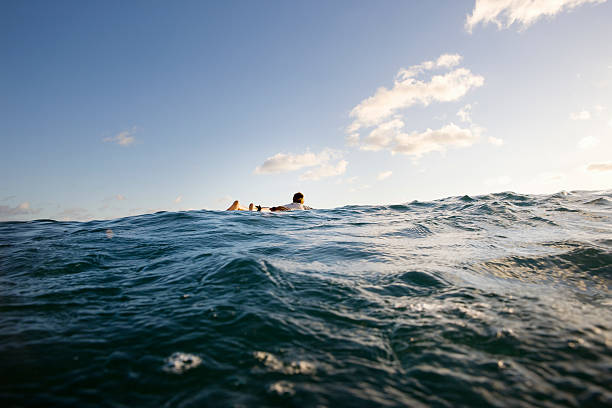
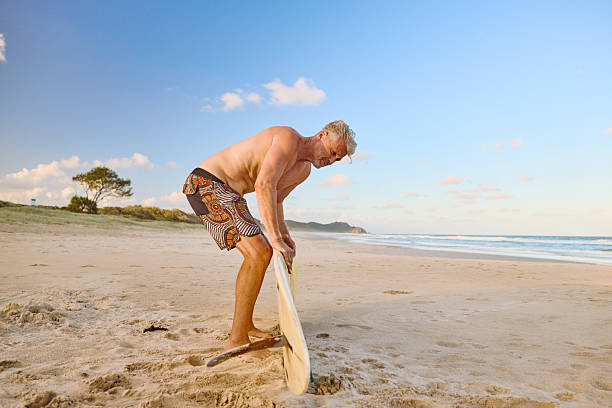
You paddle out on a glassy dawn patrol, spot a chest-high left, and drop in. As you crank your bottom turn, your back foot starts to slide. Not a subtle shift—a full-on greasy slip. The board shoots out like a wet bar of soap, and you go airborne, tasting salt and humility. Every surfer knows that gut-drop feeling. It’s not the wave that betrayed you. It’s the wax. Or, more precisely, the lack of it.
Wax is the unsung hero of our sport. We spend hours obsessing over fins, tail shapes, volume, and rail curves. But that humble little bar of sticky stuff is the difference between riding with total confidence and eating a mouthful of sand. Let’s break down how to get maximum grip, and why the process is so much more than just smearing some goo on your deck.
First, let’s bust a common myth. You don’t just rub one bar all over your board and call it good. That’s a rookie move. The true waxing ritual is a two-stage operation, kind of like a proper surf session itself. You need a base coat and a top coat. The base coat is your foundation—softer, stickier, and applied in small, tight circles. This layer doesn’t just provide grip on its own. It creates a rough, tacky texture that the top coat can lock into. Think of it as the reef that holds the sand. Without a solid base, your top coat will ball up and slide off after the first wipeout.
Now for the top coat. This is where the temperature-specific magic comes in. You don’t use tropical wax in Oregon. That would be like wearing a rashie in a blizzard. Cold water wax is softer and grips better in lower temps, because the board gets stiff and glassy. Warm water wax is harder, so it doesn’t melt into a slippery mess when the sun is blazing. If you mix them up? You’ll know within a few waves. Your feet will slip, or you’ll end up with a sticky gunk that collects sand, dead skin, and the broken pieces of your stoke.
Here’s where the alchemy happens. Perfect grip isn’t just about the wax compound. It’s about the texture you create. After a fresh coat, you need to “candle” it with your hand. Rub your palm over the wax in short, brisk strokes with a bit of pressure. This warms the wax and makes it raise little bumps, like fine sandpaper under your feet. That texture gives you the confidence to throw down a quick pivot or a roundhouse cutback. It’s the tactile feedback that says, “You’re locked in, bro.”
Don’t forget the wax comb. Over time, your wax builds up dead skin, sand, and tiny sea fleas. It loses its bite. That’s when you take a comb and rough up the surface, exposing fresh, grippy wax. It’s like sharpening a knife. A quick comb job can revive a deck that felt like a greased pig. If your wax is truly baked, strip it off with a remover, or leave your board in a hot car and scrape with an old credit card. Nothing beats that first footfall on a cleanly waxed board.
The deeper beauty of surf wax is how it connects you to the ocean. The smell of coconut or citrus, the sticky droplets on your hands, the crumbs on your wetsuit—that’s all part of the stoke. Some treat waxing as a chore, but it’s actually a meditation. A pre-surf ritual that gets your head in the water. You’re building a bond between your body and that piece of foam.
And then there’s the environment. Those petroleum-based bars? They aren’t doing the reef any favors. More shapers and surfers are turning to plant-based, organic waxes from soy, beeswax, and carnauba. They grip just as hard, and they break down without poisoning the tidepools. That’s a good vibe.
So next time you walk the beach, check your wax. Is it smooth and shiny? Scratch it with your nail. If it doesn’t give, re-wax. The ocean is always moving. You need every advantage. Wax isn’t just gear. It’s the invisible thread that connects you to the wave, your board, and that endless summer feeling. Keep it fresh. Keep your feet planted.