Wetsuit Brands: Staying Warm and Flexible
Live Surf Cams

Surfline Live is a 24/7 glimpse into the world’s surf.

This stream moves through Surfline’s global camera network, showing spots where it’s daylight and rated Fair or better.

What’s The Deal With…?

Surf Gear & Brands

Hugely important, mate! Seams are the weak point where water can leak in and chill you. Flatlock seams are for warmer water—they’re flexible but let a little water through. Glued and blind-stitched (GBS) seams are water-tight and more durable, ideal for colder surf. Then you’ve got sealed seams, where a liquid tape covers the stitching, making them the gold standard for ice-chest conditions. The right seam construction is key to stopping that brutal cold-water flush.

Brands like Matuse, Xcel, and Patagonia are legends in the flex game. They often use limestone-based neoprene or proprietary materials that give you a massive range of motion. This is crucial for that smooth pop-up and powerful paddling. Feral and Need Essentials also get big shouts for combining stretch with affordability. You want a suit that moves with you, not against you, so you’re not fighting your own gear when you’re trying to fight the lip.

When it’s proper icy, you need the heavy-duty specialists. O’Neill’s Psycho series is a benchmark, with their TechnoButter rubber. Rip Curl’s Flash Bomb and F-Bomb suits are also top contenders, using their G-Bomb seams and lightweight linings. For the absolute coldest, drysuits or hooded 6/5/4 suits from brands like Xcel or Buell are the call. These brands focus on sealing out water and using the warmest, most flexible neoprene tech to keep you out there.

Surf Gear & Brands

It’s all about the mils, bro. A 3/2 means 3mm in the core and 2mm in the arms/legs for warmer water. Colder spots demand a 4/3 or even a 5/4/3 hooded suit. Thicker neoprene equals more warmth but less flexibility. You gotta match it to your conditions. A suit that’s too thick in warm water will cook you, and one too thin in cold water will have you shivering after your first duck dive. It’s the essential balance for chasing waves year-round.

For most surfers, yeah, a step up in price is noticeable. You’re paying for tech like Yamamoto neoprene, which is crazy light and stretchy, warmer linings, and more durable, sealed seams. A premium suit will last longer, keep you toastier, and paddle way easier. If you’re a weekend warrior, a mid-range suit does the job. But if you’re logging serious water time, especially in cold water, investing in a top-tier rubber is a game-changer for your comfort and session length.

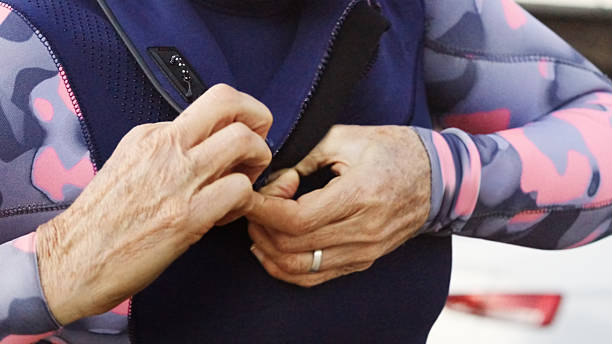
Absolutely, and it’s a nightmare. A suit should be snug to trap a thin layer of water that your body heats up. But if it’s cutting off circulation, making it hard to breathe, or restricting your shoulder rotation, it’s too small. You’ll be exhausted from paddling against your own suit and miserable. The fit should feel supportive and tight, but not like you’re being squeezed by a boa constrictor. Always try before you buy if you can.