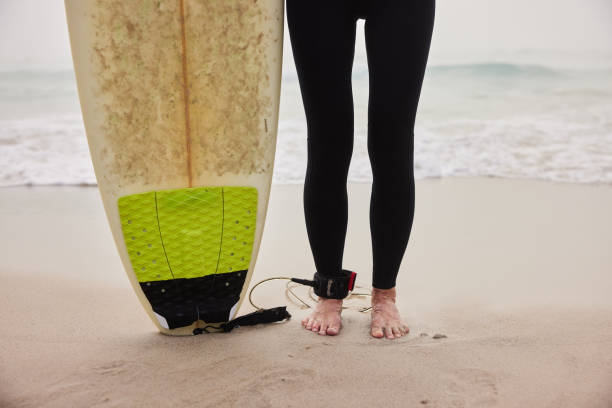
There is nothing quite like that first morning paddle out when the water temp drops below sixty and the air has that crisp, salty bite. You zip up, pull the hood over your head, and feel that moment of truth. A good wetsuit is not just gear. It is the difference between a two-hour session and a twenty-minute shiver-fest on the beach wondering why you didn’t grab your booties. When the surf is firing and the dawn patrol is on, you need a suit that keeps you warm without turning you into a human popsicle board. You need flexibility. You need a suit that lets you pop up fast, duck dive deep, and paddle like your life depends on it. And honestly, that all comes down to the seams.
Back in the day, wetsuits were basically thick rubber bags with minimal stretch. Guys were out there in suits that felt like wearing a car tire. You could generate heat, sure, but flexibility was a joke. If you wanted to twist your torso for a cutback, you had to fight the suit every inch of the way. Then the wave of innovation hit, and the game changed. The biggest leap came from seam construction. A wetsuit seam is the weakest link in the armor. It is where water wants to sneak in, where heat wants to escape, and where stiffness loves to live. So the best wetsuit brands out there focused on solving that exact problem.
The gold standard for warmth and mobility is the glued and blindstitched seam, often called GBS. This is not some new wave gimmick. It has been around for a minute, but the refinement in recent years is unreal. A GBS seam uses a thin layer of glue to bond the neoprene panels together, and then a needle pierces only partway through the material to stitch them. That blind stitch does not go all the way through the rubber. So you get a strong connection without creating a thousand little holes for water to flush through. That means you stay warmer because the suit does not act like a sieve. And because the glue does all the heavy lifting, the seam stays flat and flexible. You can bend, twist, and reach for that rail grab without feeling that annoying tug at your armpit or shoulder.
But the true water tightness comes from the seam tape. A lot of top-tier brands now add a liquid seam seal or a thin, flexible tape along the inside of those GBS seams. This is the secret sauce. It keeps the cold water from penetrating the actual needle holes, even the tiny ones. Places like Rip Curl with their E7 tape or O’Neill with their TechnoButter 3 neoprene and liquid taped seams are doing this super well. They recognize that a surfer needs to be able to raise their arms overhead and twist without the suit bunching up or flushing. The tape has to be stretchy enough to move with the rubber but tough enough to last fifty plus sessions.
Then you have the difference between a flatlock seam and a GBS. Flatlock seams are more common in warm-water spring suits or cheaper suits. Both panels are stitched flat against each other. It is durable and comfortable, but that stitch goes all the way through. That means water can flow right in. It is fine for a quick summer sesh in Lake Michigan or a tropical reef break. But for real cold water, GBS or even welded seams are the way. Some brands, like Matuse or Buell, have pushed into welded or bonded seams that use heat and pressure instead of glue and thread. These are incredibly watertight and ridiculously flexible because there is no thread constricting the rubber. They look clean, almost like the suit is one solid piece of material. The downside is that they are harder to repair. But for warmth and range of motion, they are staggering.
And do not sleep on the panel shaping. A wetsuit that fits like a burlap sack is going to flush water no matter how good the seams are. The best brands use fewer panels, strategically placed, to reduce the number of seams in high-stress areas like the shoulders and armpits. That is where brands like Xcel, with their Celliant liner and compression-molded neoprene, really shine. They keep the seam count low in the flex zones. Combine that with a chest zip entry instead of a back zip, and you eliminate a major flushing point. The chest zip design forces you to bend over and pull the zip over your head, but it keeps the zipper on your back, which is where water pools. Back zips leak more. Chest zips are warmer and more flexible because the zipper hardware is shorter and not running down your spine.
Your wetsuit is your second skin in the water. If it fights you, you are not surfing your best. You are fighting the suit. Look for glued and blindstitched seams, look for internal seam tape, and look for a low-panel count in the shoulders. Any brand worth its salt, from the iconic local shapers to the big players like Billabong and Patagonia, has evolved to put warmth and flexibility at the center of their build. A good seam keeps the cold out and lets your body move like it is supposed to. That is the real stoke. That is what gets you one more wave before the sun drops and the tide changes. Stay warm out there, shredders.