The Evolution of Surfboards

Live Surf Cams

Surfline Live is a 24/7 glimpse into the world’s surf.

This stream moves through Surfline’s global camera network, showing spots where it’s daylight and rated Fair or better.

What’s The Deal With…?

Surf History & Legends

The future is wide open! We’re seeing more eco-friendly materials like recycled blanks and bio-resins. Computer shaping allows for hyper-precise designs, and hybrids are blending categories (like the “twinzer” fin setup). There’s also a massive resurgence in alternative shapes—everything from asymmetric designs to modernized alaias. The focus is on expanding the feeling of glide, reducing environmental impact, and creating the perfect tool for every kind of wave and surfer. The evolution never stops!

Fins are your steering and hold, man! A single fin offers smooth, drawn-out turns classic to logging. Twin fins are loose, fast, and skatey, great for small waves. The thruster (three fins) is the gold standard—invented by Simon Anderson—giving you perfect balance of drive, speed, and control. Quads (four fins) offer insane speed and hold on bigger, hollow faces. It’s all about your style and the waves you’re chasing. Swapping fins can totally change your board’s feel.

Rocker is the banana-like curve from nose to tail. More rocker means a board is more maneuverable and better for steep, hollow waves—it turns quicker but can be slower. Less rocker (a flatter board) means more speed and glide, perfect for softer, mushy waves. It’s a crucial design element that affects how the board fits in the curve of the wave. Getting the right rocker for your local break is key to matching your equipment to the ocean’s mood.

Surf History & Legends

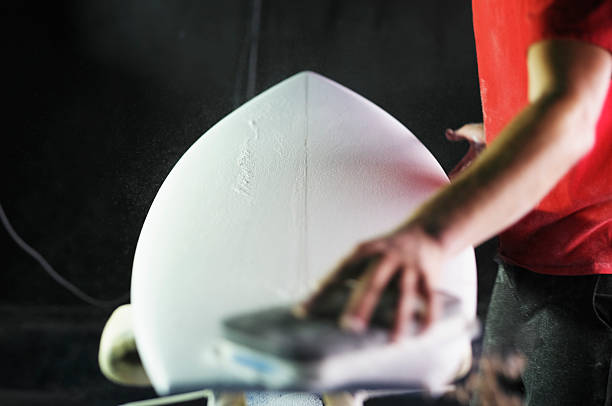
This was the single biggest revolution, bruh! In the late 1940s, pioneers like Bob Simmons and later Hobie Alter started shaping lightweight foam cores wrapped in fiberglass and resin. This made boards infinitely lighter, more buoyant, and way easier to maneuver. Suddenly, average joes could learn, and hot-dogging became possible. This birthed the modern shortboard and allowed for experimentation with fins and rocker. It basically democratized surfing and unleashed a new era of performance.

Think about your vibe and the waves, bro. Shortboards (under 7ft) are for high-performance ripping in good waves. Longboards (9ft+) are for classic style, nose-riding, and catching anything that moves—pure soul surfing. The funboard or mid-length (7-8ft) is the sweet spot for many: easier to paddle than a shorty, more maneuverable than a log. It’s the ultimate “one-board quiver” for daily drivers who just want to have fun in most conditions.

The OG boards were hewn from solid wood, usually native Hawaiian trees like koa, wiliwili, or redwood. These were heavy, dense, and seriously challenging to ride. Called “olo” or “alaia,“ they were more like planks and required immense skill just to paddle and catch a wave. They were cultural treasures, often over 15 feet long for royalty. This era was all about raw connection to the ocean and sheer physicality, laying the foundation for everything that came after in our wave-riding story.