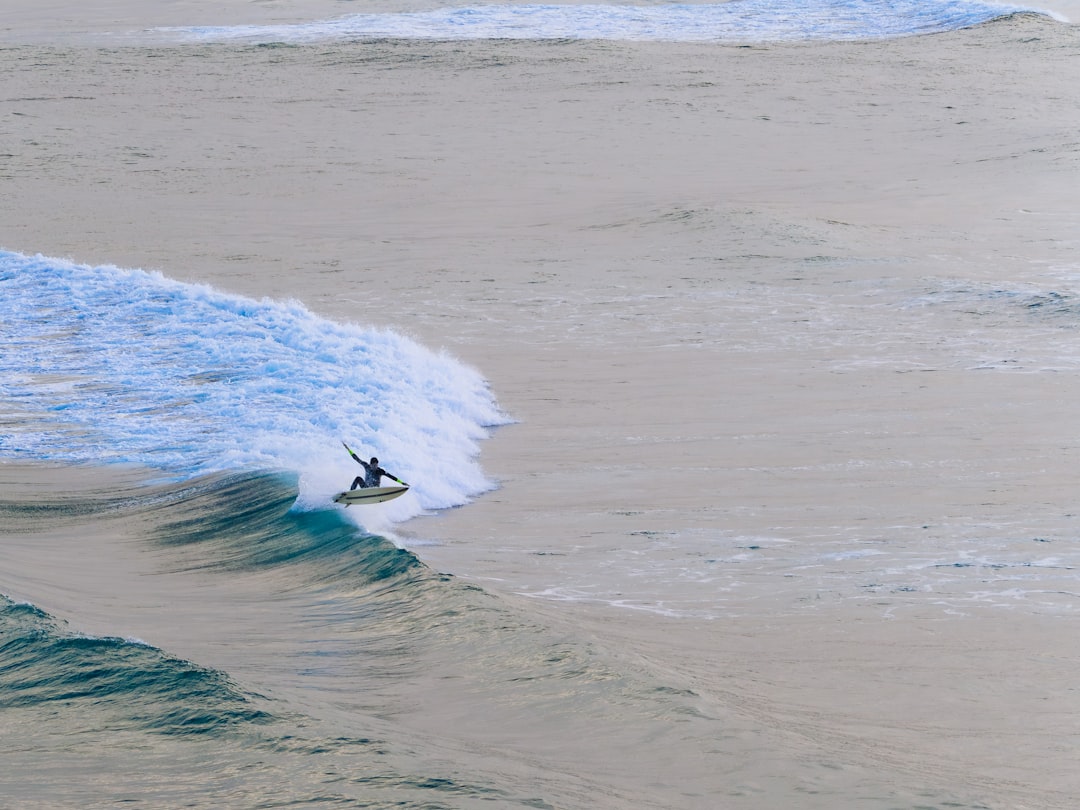
Back in the day, before your local shaper had a CNC machine spitting out blanks like clockwork, surfboards were heavy. I mean, really heavy. If you think lugging a modern longboard down to the beach is a workout, try hoisting a twelve-foot slab of solid redwood or balsa that weighs in at over a hundred pounds. The old Hawaiian wave riders and the early California beach boys were pushing around logs that could double as canoes. And you know what? They ripped on them. But the ride was slow, the turns were more like prayerful changes of direction, and if a board snapped, you were hiking back to the timber yard, not the foam factory.
The shift from solid wood to foam is one of the most gnarly chapters in surfboard evolution, and it didn’t happen overnight. It took a bunch of clever minds, a pinch of postwar industrial magic, and a whole lot of trial and error in dusty garages up and down the California coast. The result? The modern foam surfboard—lighter, faster, more maneuverable, and the backbone of everything from noseriding logs to high-performance thrusters.
In the early twentieth century, surfboards were carved from solid redwood, often with a little help from planks and nails. They were durable but heavy as sin. Then came balsa. Balsa wood was a game changer because it was way lighter than redwood, but it was also soft and fragile. Builders had to fiberglass the balsa to give it strength, and that meant laying up layers of resin-soaked cloth. That process—glassing—became the standard for decades. But balsa had its limits. It was pricey, inconsistent, and prone to waterlogging. Surfers wanted something more reliable.
Enter the foam blank. In the late 1940s and early 1950s, a handful of experimental shapers started messing with polyurethane foam, a material born from the chemical labs of World War II. Guys like Bob Simmons were already pushing the boundaries with balsa and plywood and experimenting with foil shapes, but the real breakthrough came when someone figured out you could pour polyurethane into a mold and create a lightweight, buoyant blank that could be shaped with a planer and sandpaper. The first foam boards were a total game changer. They floated like a dream, turned on a dime compared to the old logs, and didn’t swell up like a sponge after a session.
But the early foam had issues. Early blanks were brittle and could crack if you looked at them funny. Shapers had to reinforce them with a wooden stringer down the center—a tradition that still lives on in most boards today. The stringer gave the foam the backbone it needed, and suddenly you had a board that was light, strong, and responsive. Surfers started going faster, turning harder, and exploring waves that had been off-limits to the heavy wooden behemoths. The revolution was real.
Then came Clark Foam. For decades, Clark Foam was the name in surfboard blanks. They produced millions of blanks out of their factory in California, and basically every shaper east of Hawaii used them. The Clark blank had a consistent density, a reliable cell structure, and it shaped like butter. It was the standard of the industry until 2005 when Clark Foam shut down overnight, sending shockwaves through the surfing world. That moment forced shapers to get creative again, leading to a boom in alternative materials like expanded polystyrene (EPS) and epoxy resins. But that’s a whole other story.
The transition from wood to foam didn’t just make boards lighter; it changed the entire culture of surfing. Suddenly, you could surf a shortboard in hollow, powerful waves that would have crushed a log. The shortboard revolution of the late sixties and early seventies, led by legends like George Greenough, Dick Brewer, and Gerry Lopez, was only possible because foam allowed for radical design changes. Foam let shapers experiment with rocker, rail shape, and fin placement in ways that wood never could. It gave birth to the tri-fin, the thruster, and eventually the modern high-performance shortboard that dominates the WSL today.
Of course, there are purists who still shape wooden boards. There’s a beautiful resurgence of alaias and olo replicas that honor the ancient Hawaiian roots. And there’s something magic about surfing a hand-shaped piece of balsa with a wooden fin on a glassy morning. But for the vast majority of surfers, foam is the everyday reality. It’s the reason you can throw a board on the roof rack, paddle out at your local beach break, and feel the glide without needing a forklift to get to the water.
So next time you’re waxing up that thruster or that sweet single-fin egg, give a little nod to the tinkers and chemists who turned a plastic chemical into the soul of modern wave riding. From redwood to resin, the evolution of the surfboard is a story of lightening up—in weight, in speed, and in spirit. And the waves have never been more fun.