Surf Wax: Gripping the Board

Live Surf Cams

Surfline Live is a 24/7 glimpse into the world’s surf.

This stream moves through Surfline’s global camera network, showing spots where it’s daylight and rated Fair or better.

What’s The Deal With…?

Surf Gear & Brands

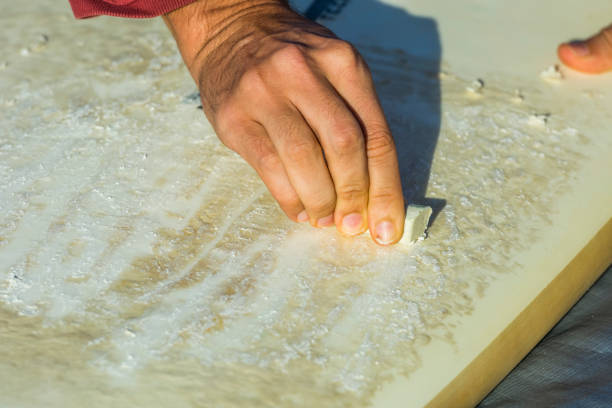
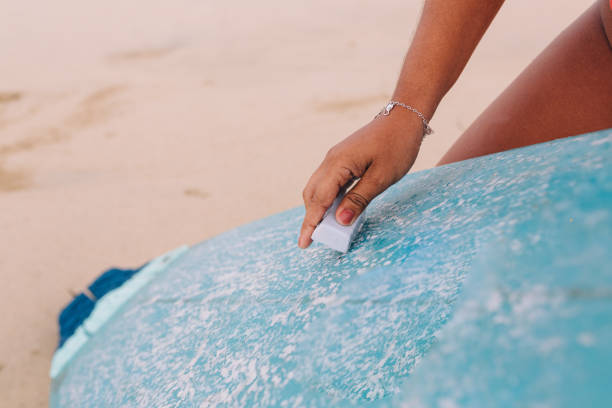
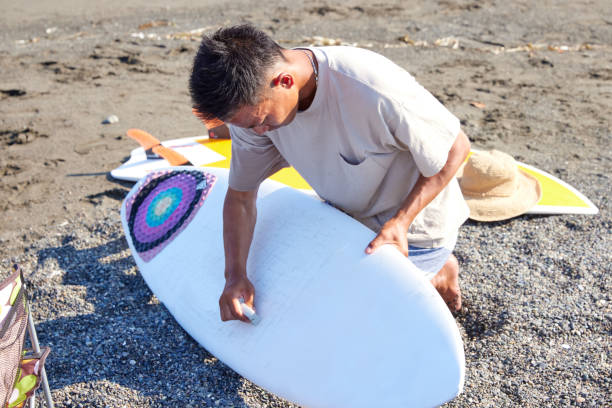
Think circular motions, not just up and down! Start with a clean, dry deck. Lay down a basecoat if you’re doing a full job. For the topcoat, use small, tight circles to build up those classic wax bumps (the “grip knobs”). You want an even, textured layer, not a smooth slab. Don’t press too hard; let the wax do its thing. A good wax job feels like mountain bike tires under your feet.

Start with a clean deck, free of old gunk. For a fresh board, lay down a solid basecoat in small circles; this is your foundation. Then, for your session, apply a topcoat of the right temp wax using those classic side-to-side strokes. Don’t go too smooth—you want those grippy bumps, known as wax bumps or peaks. Focus on where your feet go: near the tail and up the center. No need to slather the whole thing, just create texture for your toes to lock into.

No worries, it’s a chill process. Let the sun warm the deck a bit, or use a hairdryer on low. Then, take a wax comb or an old gift card and scrape the bulk off. For the final residue, a little citrus-based wax remover or rubbing alcohol on a rag makes it sparkle. Never use harsh chemicals or abrasive pads—they can damage your board’s gloss. A clean canvas is key for a fresh, sticky application.

Surf Gear & Brands

Nah, don’t cheap out or get creative here, brah. Proper surf wax is formulated with specific grip and water resistance in mind. Using candle wax or something random is a recipe for disaster—you’ll be sliding off like you’re on a buttered-up door. Stick with trusted brands from the surf shop. They’ve spent decades dialing in the perfect blend of tack and durability to keep you glued to your stick.

Totally a great vibe! Lots of brands now make wax from natural ingredients like tree resin and coconut oil, ditching the nasty petrochemicals. It works just as well and keeps the ocean a little cleaner. It’s a small change with a solid impact. Next time you’re grabbing a brick at the shop, check for the earth-friendly options. Your board will be sticky, and you’ll feel good about it.

It’s all about matching the wax to the water, bro. Cold water wax is super hard so it doesn’t melt in chilly waves. Tropical wax is softer and stickier for warm water. Using the wrong one is a total wipeout—you’ll either slip right off or get a gooey mess. Always check the temp range on the package. A good basecoat with a top layer of the right temp wax gives you that perfect grip to pop up and rip without a worry.