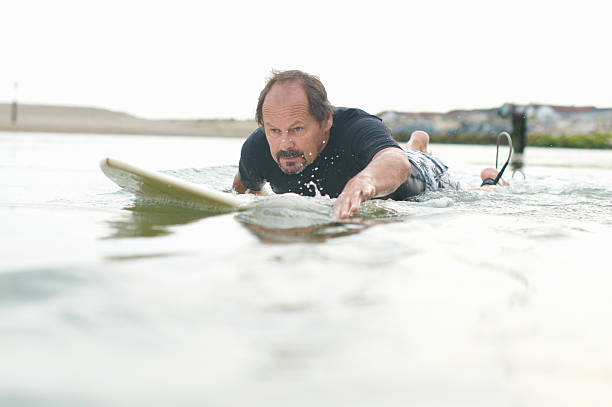
There’s a moment just before you paddle out when everything goes quiet. The hiss of the shorebreak, the chatter of the lineup, the rumble of the next set – it all fades. Your eyes lock on the horizon, your feet find their sweet spots on the deck, and you realize the only thing standing between you and a perfect trim is a couple bucks’ worth of waxy goo. That’s right, the humble block of surf wax. It doesn’t look like much – a pastel-colored brick that smells faintly of coconuts or bubblegum, depending on the brand you grabbed at the shop. But don’t let its simple appearance fool you. That sticky lump is the unsung hero of every session, the glue that keeps you attached to your board when the wave throws a lip and dares you to hang on.
I’ve been waxing boards since I was a grom, and I still get a little buzz every time I tear open a fresh bar. There’s an art to it, a rhythm that’s almost meditative. You start with a base coat – a few long, heavy strokes across the deck, pressing hard enough to leave a thick layer of soft wax that will adhere to the board’s slick surface. Then you come back with lighter, quicker strokes in a crisscross pattern, building up a grid of little bumps. Those bumps are what grab the soles of your feet and the heels of your hands. Too smooth and you’ll slide off on the first bottom turn. Too bumpy and you’ll chew up your rash guard and feel like you’re standing on a bed of gravel. The perfect wax job is a Goldilocks game, and every surfer has their own preference.
But here’s the thing about wax: it’s seasonal. Not like a holiday, but like a romance that changes with the water temperature. In tropical waters, where the ocean feels like bathwater, you want a hard, high-melt-point wax. If you slap soft cold-water wax on a board in Bali, you’ll end up with a greasy mess that drips down your leash and attracts sand like a magnet. Conversely, try to use tropical wax in the winter lineup of Northern California and you might as well be standing on an ice rink. That’s why the older salts in the parking lot always carry two kinds of wax in their trunks, and they’ll gladly lecture you about the difference between a 68-degree blend and a 58-degree blend. It’s a science, but it’s also a feel.
The culture around wax runs deep. Walk into any surf shop and you’ll see the racks of Sex Wax, Mr. Zog’s, Sticky Bumps, and a dozen other brands, each with their own quirky logos and old-school marketing. Some guys swear by the classic green Sex Wax because that’s what their dad used. Others chase the latest and greatest hydrophobic formula that claims to repel water and stay grippy for hours. I’ve seen surfers spend twenty minutes in the parking lot fussing over a fresh coat before a dawn patrol session, rubbing the bar in tiny circles like they’re polishing a sacred artifact. And in a way, they are. That board is their ticket to glide, their connection to the ocean’s energy. Wax is the medium that seals the bond.
Beyond the practical grip, there’s a ritualistic element that ties the surfer to the board. When I’m sitting on my couch at night, running my thumb over the bumps on my board’s deck, I’m not just checking for bald spots. I’m feeling the memory of the last session – the spray, the drop, the cutback that nearly threw me. Wax holds that memory in its texture. It collects salt and sand and tiny flecks of resin from previous repairs. Every new coat is a fresh start, but the ghost of the old wax stays embedded in the foam pores. That’s why some lifers refuse to strip their boards completely. They say the built-up layers carry good karma from past waves. I’m not superstitious, but I get it.
Then there’s the social aspect. You never run out of wax at a crowded break without someone tossing you a bar. It’s an unwritten rule: you see a guy scraping a bare deck with a wax comb, you hand him a lump. “Here, try this cold-water blend, it’s got a little more tack.” The exchange is quick, but it’s a nod to the shared stoke. And if you happen to be a longboarder who likes to hang five, you might prefer a different texture than a shortboarder who’s all about the tail slide. Some kneeboarders even put wax on the bottom of their boards for grip when they’re duck diving. The variations are endless.
Ultimately, wax is the quiet partner in every wave. It doesn’t get the glory of a custom-shaped stringer or the hype of a new fin setup. But without it, you’re just a tourist on a slippery rental. So next time you’re about to paddle out, take a second to appreciate that sticky lump in your pocket. Rub it on with care, feel the bumps rise under your palm, and know that you’re participating in a tradition as old as surfing itself – the simple, beautiful act of keeping your feet where they belong. After all, the best board in the world is worthless if you can’t stay on it.