Surf Photography: Capturing the Moment
Live Surf Cams

Surfline Live is a 24/7 glimpse into the world’s surf.

This stream moves through Surfline’s global camera network, showing spots where it’s daylight and rated Fair or better.

What’s The Deal With…?

Surf Culture & Community

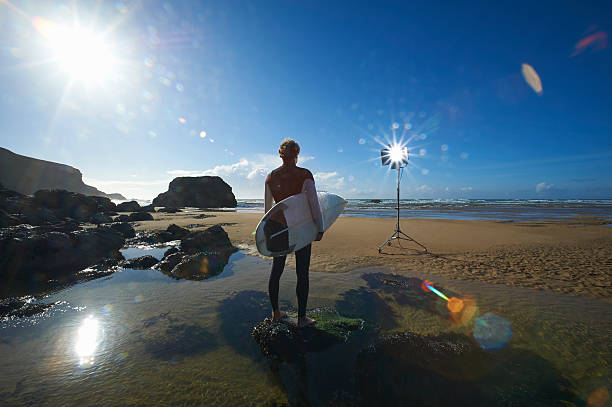
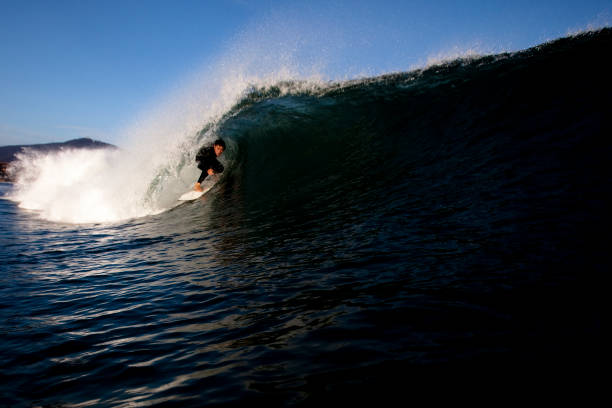
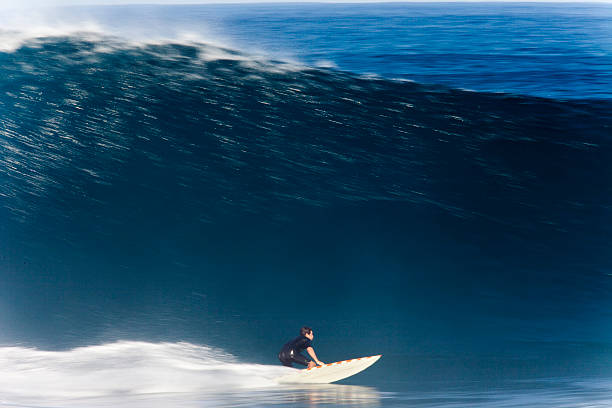
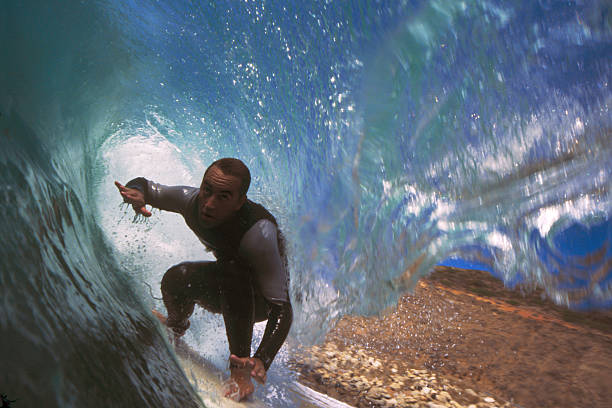
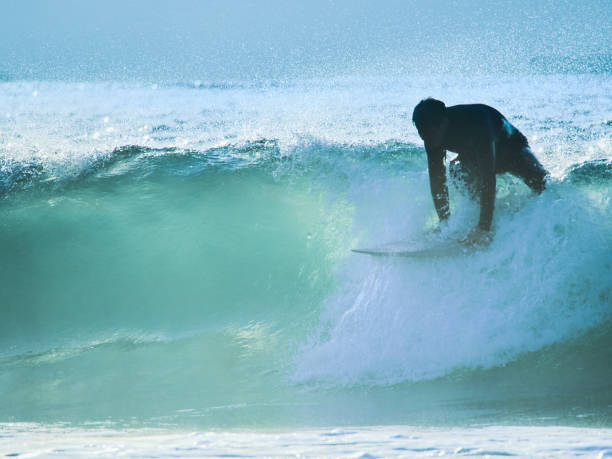
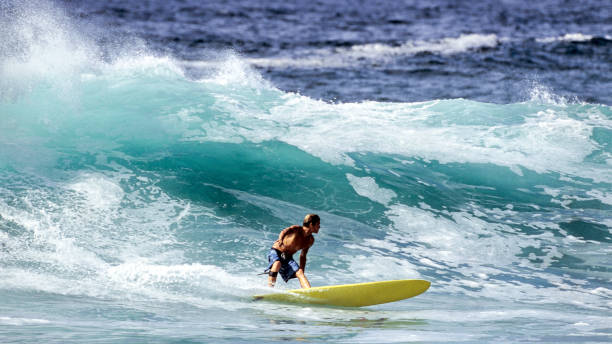
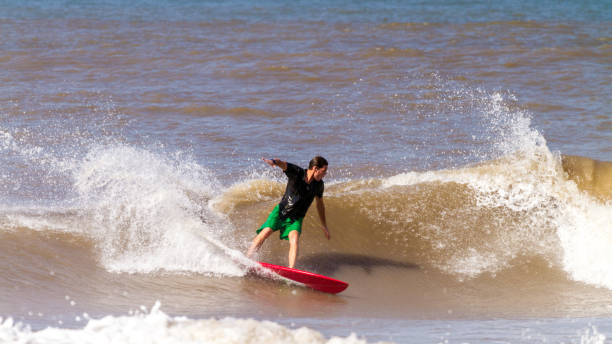
A killer shot captures the feeling. It’s the spray off the rail, the surfer’s style and expression, the way the light hits the water. Composition is key—using the rule of thirds, getting the right angle in the barrel, or showing the scale of a massive wall. It tells a story of power, grace, or pure stoke. A great photo makes you wish you were there, freezing a perfect, fleeting moment that’s gone in a heartbeat.

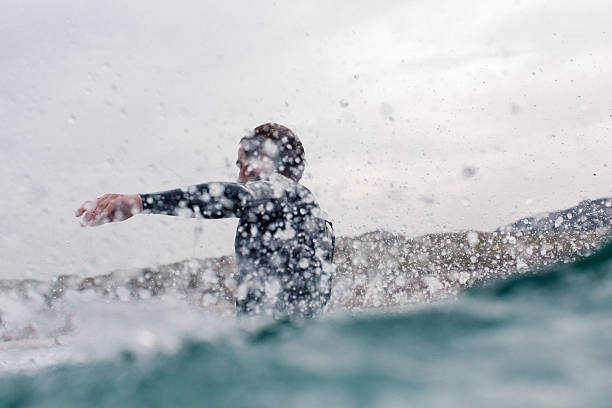
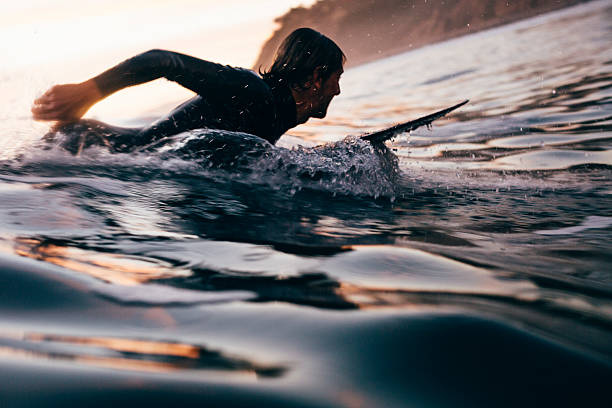
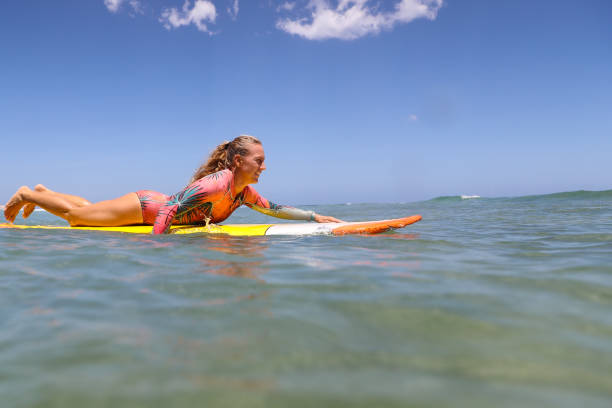
You need the right housing for your camera, first off. Waterhousing is essential. Then, it’s all about watermanship—knowing how to read the sets, duck dive with your rig, and position yourself without dropping in on anyone. Stay aware of your surroundings and the lineup. It’s a workout, and you’ll take your share of waves on the head, but getting that intimate, eye-level perspective from the impact zone is totally worth it.

It’s a gray area, but the respectful approach is to make a connection first. Paddle out, say g’day, and ask if they’d like some shots. Most surfers are stoked. If you post online, tag them if you know their handle. For commercial use, you absolutely need a model release. Building relationships in the lineup is the best practice—it’s about community, not just taking. Respect goes a long way.

Surf Culture & Community

It’s all about angle and focal length. You generally want the sun behind you for good light. Position yourself so the breaking wave is between you and the surfer for a dynamic backdrop. Use a longer lens to compress the scene and make the wave look bigger. Get low for a more powerful perspective. Scout the spot at different tides to find that perfect berm or rock that gives you the cleanest sightline.

You need a fast shutter speed—think 1/1000th of a second or faster to stop the spray and movement. Use a wide aperture (like f/2.8 or f/4) to isolate your subject with a blurred background. Keep your ISO as low as possible to avoid grain, but don’t be afraid to bump it up on cloudy days. Shoot in continuous high-speed mode to capture the sequence of a turn or tube ride.

Start simple and tough. A used GoPro in a housing is great for in-the-water practice. On land, a DSLR or mirrorless camera with a telephoto lens (like a 70-200mm) lets you shoot from the cliff or beach. Don’t blow your budget on pro gear immediately. Focus on learning to track a surfer and nail your focus. A decent, sand-resistant bag to carry your kit is just as important as the camera itself.