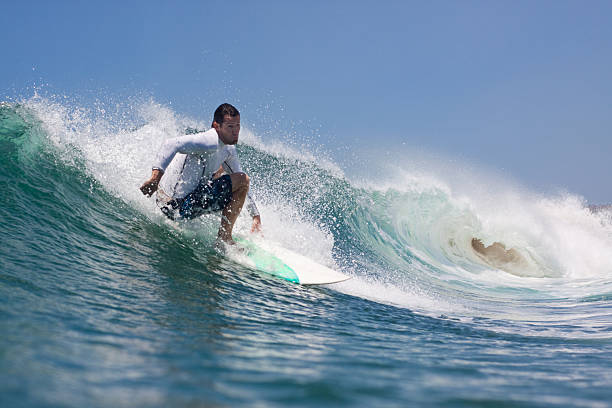
There’s a common myth that surfing is a solo pursuit. You paddle out alone at dawn, sit in the glassy silence, and wait for a set that’s all yours. And sure, that moment of solitude is sacred. But here’s the thing that every salty dog knows after a few thousand sessions: the lineup is a living thing, a breathing web of relationships that either makes your day or makes you want to paddle back to the beach. Building a surf network isn’t about collecting phone numbers or adding followers. It’s about weaving yourself into the fabric of the ocean’s social order, one shared wave at a time.
When you start out, the ocean feels like a vast, indifferent expanse. You’re just a blob on a board, hoping not to eat it on the takeoff. But then you notice the regulars. They nod from the channel. They hoot when you catch a clean one. They remember your name after you’ve been showing up for a month of dawn patrols. That’s the first seam of your network. It’s built on presence, not performance. You don’t have to be ripping. You just have to be there, consistently, with good vibes and respect for the pecking order.
The old-school way to build this network was pure osmosis. You’d park your van in the same lot, tie your board down the same way, and eventually someone would offer you a slug of coffee from a dented thermos. From there, you learn the secret spots, the tide windows, the sandbar shifts. That’s real currency. The network gives you intel that no app can match—like how the north end of the beach holds when the swell swings west, or which takeoff zone to avoid when the grumpy longboarder is in position. That knowledge is earned, not downloaded.
But the modern surf network has gone hybrid. Group chats buzzing before dawn with fuzzy footage of last night’s swell. Instagram DM’s where a stranger in Costa Rica offers you a spare room if you’ll just bring a couple of epoxy fins. Online forums where surfers trade tow-in tips and wax reviews. Digital networks are rad because they erase geography. You can be sitting in a landlocked apartment in Ohio, planning your next trip, while a crew in Indonesia gives you beta on which reef breaks are firing. That’s a global stoke network, and it’s real.
Still, nothing beats the local, physical network. That’s where the unspoken pact lives. When you’re part of a crew, you watch each other’s backs. You’re the one who paddles over when someone snaps a leash in a heavy closeout. You’re the one who shares your wax when a newbie forgot theirs. You’re also the one who calls out a kook for dropping in—but you do it with a grin and a lesson, not a scream, because you remember being that kook yourself. The network is a mirror, and if you’re kind to it, it reflects that kindness out into the lineup.
There’s a delicate dance to building this network, and it all starts with humility. When you paddle out to a new break, don’t act like you own the ocean. Sit wide, watch the currents, and let the locals take their pick. Wait for the second, third, or fourth wave of the set. Give respect before you expect any. That patience gets you invited back. Then, once you’ve proven you’re not a wave hog, the doors open. You’ll get the nod from the old guy on the log. You’ll be added to the secret surf report text chain. You’ll find yourself picking up a stray sticker for a friend’s board, or grabbing an extra taco after the session because you knew everyone would be starving.
Eventually, your network becomes your chosen family. You celebrate each other’s first tube rides, mourn each other’s broken boards, and support each other through everything from job losses to broken hearts. Because the ocean is honest, and so are the people who love it. When you build a surf network, you’re not just building a contact list. You’re building a tribe that shows up when it matters, both in the water and on land.
So get out there. Be early, be kind, be humble. Share a wave. Ask somebody how their daughter’s surf comp went. Offer to tow them in when the rip gets gnarly. That’s the whole secret. The surf network isn’t something you join. It’s something you build, wave by wave, smile by smile, sunset by sunset. And once you’re in it, you’ll never paddle out alone again.