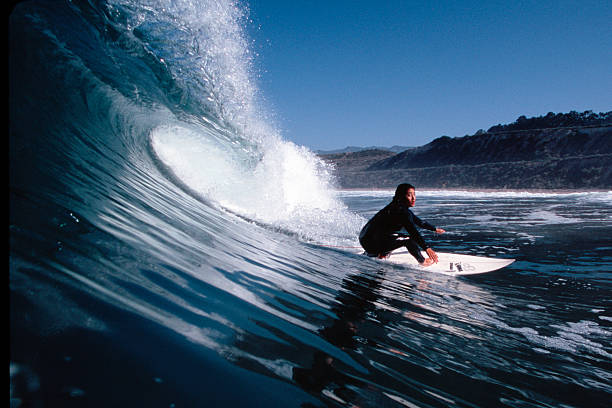
There’s a certain magic that happens when you’ve just scored a clean set of waves and you’re sitting in the lot with the wax melting off your board. You flick on the radio, or crank your phone. The first few notes of a reverb-drenched guitar rip through the silence, and suddenly you’re back in the lineup – the ocean’s pulse syncing with that tremolo. Surf music ain’t just audio; it’s a full sensory ride. And just as much as that sound paints a mental picture, the visual art that grew up alongside it – album covers, concert posters, tiki mugs, and film art – is a direct reflection of the same salt-soaked stoke. You can’t have the wave without the shape of it, and you can’t have surf music without the imagery that gives it color.
Back in the early sixties, when the surf rock movement exploded out of Southern California, the music and the art were basically twins born from the same swell. Dick Dale’s frantic picking on “Misirlou” wasn’t just a sound; it was a sonic interpretation of a barrel ride. And those first surf albums? They came wrapped in some of the most iconic visuals ever pressed on cardboard. The Ventures and the Beach Boys might have had different vibes, but their album sleeves featured the same sun-kissed girls, longboards, and crashing waves that promised a lifestyle as much as a song list. You’d pick up a record and instantly you were transported to a beach party, even if you lived in a landlocked state. That art was the gateway to the culture’s soul.
Then came the art of the surf film. Bruce Brown’s “The Endless Summer” is a perfect example of how visual storytelling and music became one. The soundtrack wasn’t just background noise – it was the heartbeat of the film’s journey across the globe. And the poster art for those films – with their hand-drawn waves, silhouetted surfers, and lettering that looked like it was carved from a hanging ten toes – created a whole aesthetic all its own. That visual language bled into the wider surf culture. Tiki culture, with its carved gods and tropical cocktails, found a natural home in this mix. The woodblock-style prints of surfers coming out of the tube, the enamel pins, the silkscreened tees – all of it borrowed from that same visual vocabulary that the music had set up.
As the sixties turned psychedelic, surf music took a left turn into heavier, more electric territory. Bands like The Pyramids and later God’s Own Medicine started experimenting with fuzz tones and far-out lyrics. And the art followed suit. Album covers got swirlier. Concert posters for surf-drug gigs started to look like what you’d get if a sunset and a Pac Sun ad had a baby. The easygoing beach vibe evolved into something more cosmic, but it never lost the core element of riding waves. It just added a deeper, sometimes trippier understanding of what the ocean can do to your mind. That’s when the art started to reflect the inner stoke as much as the outer action.
Fast forward to today, and the connection between surf music and visual art is just as tight, even if the canvas has changed. The internet is packed with skate and surf zines, but the raw aesthetic hasn’t drifted far. Modern surf punk bands like Wavves or the punk-driven acts on labels like Burger Records often use lo-fi artwork that pays homage to those old surf movie posters while adding a gritty, DIY edge. You see the same spirit in the custom boards you catch down at the local shop – hand-painted rails, pin lines, and even QR codes blending old-school flash with new-school utility. Surf art from up-and-coming illustrators often caricatures the lineup, capturing the absurdity and beauty of a crowded peak. The music and the art still feed each other, like a perfect cutback transitioning into a clean bottom turn.
In the end, the vibe rolling off a surf tune and the visual vibe rolling off a polished wooden frame come from the same place. They’re both attempts to bottle a feeling that’s entirely ephemeral – that moment when you’re gliding down a glassy face, the wind in your ears, and the world goes quiet. The music catches the energy, and the art catches the stillness. Together, they create a complete experience for anyone who’s ever been stoked enough to chase an endless summer. So next time you hear that classic twang, pay attention to the artwork that follows you around. It’s not just decoration, man. It’s the other half of the wave.