Surf Lifestyle & Travel

Live Surf Cams

Surfline Live is a 24/7 glimpse into the world’s surf.

This stream moves through Surfline's global camera network, showing spots where it’s daylight and rated Fair or better.

What's The Deal With...?

Surf Lingo & Slang

How do I know when it’s “pumping”?

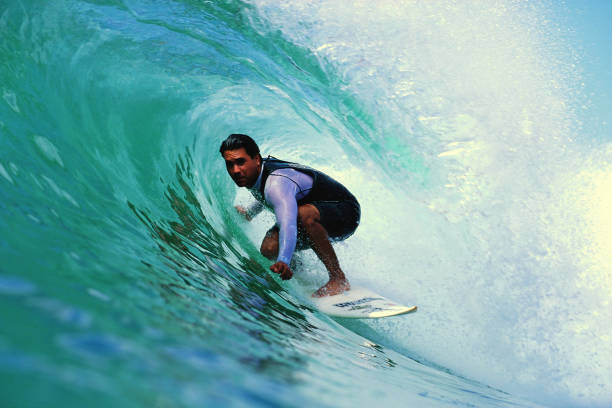
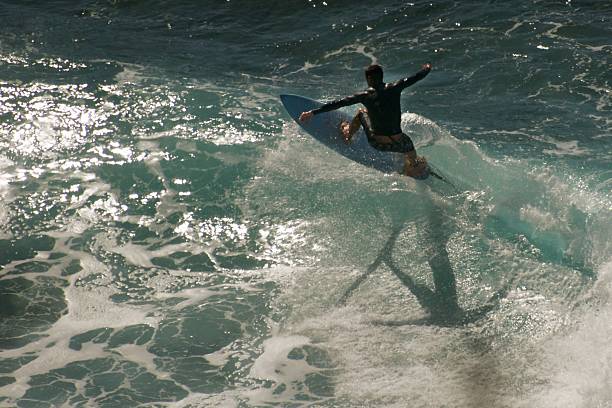
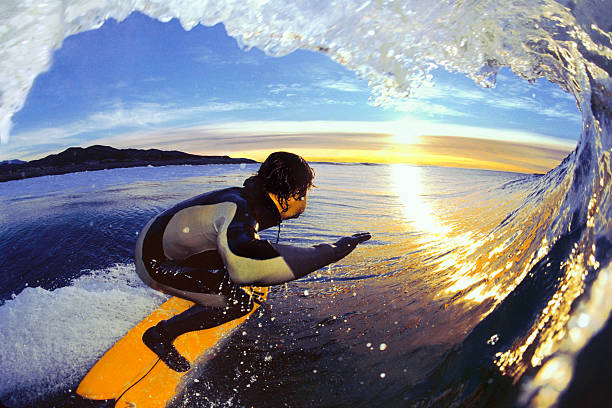
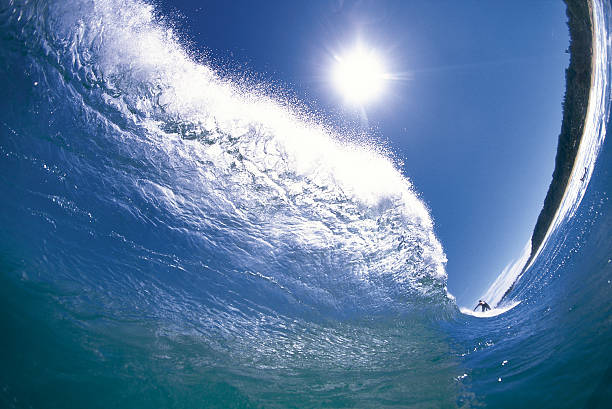
When it’s pumping, you’ll know. The waves are consistent, powerful, and well-shaped—often head-high or bigger with clean lines stacking on the horizon. There’s a certain energy in the air and the water; the sets just keep coming. The lineup is buzzing, everyone’s stoked, and the spray from barrels is catching the light. It’s not just “good,“ it’s next-level. Check the buoys, watch the forecast, and when all the elements align, drop everything because it’s time to get wet.

How do I read the wind direction at my local break?

First, check the leaves, flags, or smoke on land to see which way they’re blowing. The key is the direction from the wind. Face the ocean: if the wind hits your back, it’s offshore. If it blows in your face, it’s onshore. A wind hitting your side is cross-shore, which can be okay depending on the angle. Local knowledge and surf forecasts are your best friends here.

Where’s the best place to travel for my first surf trip?

For your first mission, you want consistent, forgiving waves and a chill vibe. Think spots like Costa Rica (Nosara, Tamarindo), Bali’s beginner-friendly beaches like Kuta or Legian, or Sri Lanka’s Midigama. These places offer warm water, soft waves, and heaps of surf camps where you can meet other frothing groms. The goal is maximum wave time in a supportive environment. Leave the heavy, hollow reefs for when you’ve got a few more stamps on your passport.

Surf Lifestyle & Travel
What’s the essential gear I need for a surfari?

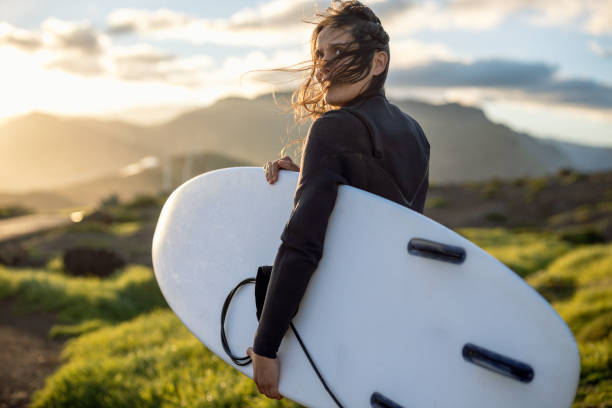
Your board quiver is crucial: bring a reliable daily driver and a gun for heavy days. Don’t forget a quality roof rack and board bags for protection. Pack multiple suits—a full for cold dawnies and a springy for warmer sessions. Essentials include surf wax, a good leash, ding repair kit, sunscreen, and a solid first-aid kit. For the post-surf, pack a towel, fresh trunks, and a sense of adventure. Keep it simple, but be prepared for anything Mother Ocean throws at you.

What makes Baja California such a special surf destination?

Baja is raw, empty, and epic. It’s a thousand-mile peninsula of pointbreaks, beachies, and secret reefs, many with just you and the dolphins. The vibe is pure adventure—dusty roads, fish tacos, and warm water. You score long right-handers like Scorpion Bay or punchy peaks near Cabo. It’s not a resort trip; it’s a surf safari where you chase swells and sleep under a sky full of stars. The feeling of discovery here is unmatched, like finding your own private wave.

What are the unspoken rules of the lineup?

The main rule is simple: the surfer closest to the peak has the right of way. Don’t drop in! Paddle around the break, not through where people are riding. Don’t be a wave hog; share the set waves. Apologize if you mess up. Snaking and burning are major no-nos. Respect the locals who surf there daily. It’s about safety and fairness, keeping the vibe positive so everyone can enjoy their session. A chill, respectful lineup is always better than a tense, competitive one.