Shredding: Riding with Power
Live Surf Cams

Surfline Live is a 24/7 glimpse into the world’s surf.

This stream moves through Surfline’s global camera network, showing spots where it’s daylight and rated Fair or better.

What’s The Deal With…?

Surf Lingo Explained

Forget complex logs; just note one highlight and one “work-on” after each surf. Maybe you finally felt that rail bite on a cutback, but you kept missing the peak. A quick voice memo or a note in your phone does the trick. Over time, you’ll see patterns—like your backside getting stronger or your paddle stamina improving. This simple reflection keeps you honest and stoked on the journey without the pressure of a scorecard. It’s about feeling the progression, not just measuring it.

Start by keeping it simple and specific, not just “get better.“ Think about one thing you want to lock in each session, like nailing your bottom turn or reading the sections faster. Maybe it’s committing to take off on a set wave that spooks you. By focusing on a single, actionable intention, you’ll channel your energy and actually notice your progression. It’s about quality, not quantity. Paddle out with that one goal in mind and let everything else flow from there.

Hugely important, but it’s not about the latest pro model. It’s about the right tool for the waves you’re actually surfing and your current skill level. Riding a board that’s too small or advanced will hold you back. Chat with a good shaper or local shop about what you’re riding now and what you want to do. Sometimes, a simple change like a new fin set-up or a bit more volume can unlock a whole new level of speed and confidence. Don’t fight your equipment.

Surf Lingo Explained

Listen to that little voice—if something feels off, it probably is. Know your absolute limits and respect them; there’s no shame in sitting on the beach. Always warm up, check the conditions thoroughly, and never paddle out alone in heavy stuff. Pushing limits is about incremental steps, not reckless leaps. A calculated risk on a slightly bigger day with your crew is progression; paddling out in double-overhead chaos without the skills is just dangerous. Live to surf another day, always.

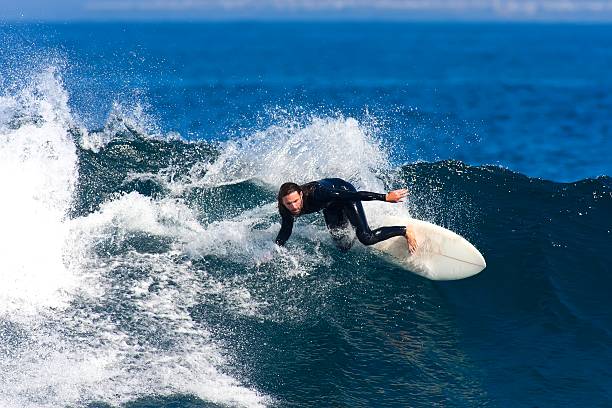
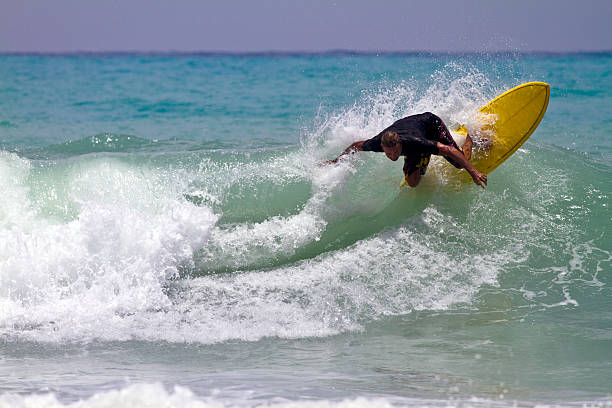
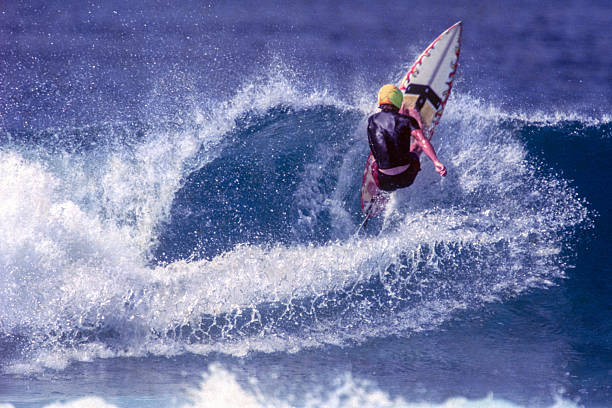
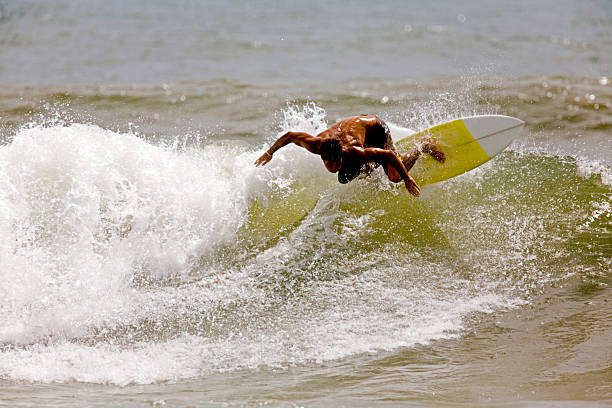
It begins with your eyes and your bottom turn. Stop looking at your feet and start looking down the line where you want to go. Generate speed by driving hard off that first bottom turn, using your rail, not just skidding your tail. This sets you up for the rest of the section. Practice connecting two maneuvers, like a bottom turn into a top turn. It’s about linking the dance moves together with flow and power, not just doing a single trick.

Chances are, you’re rushing or using your knees. Drill the motion on land: from a prone position, push up in one smooth, explosive motion, landing with your feet under you. Think “hands to ribs, then spring.“ In the water, focus on feeling the wave lift you, then pop up as it starts to push. It’s one fluid move, not a staggered climb. A slow pop-up kills your wave positioning before you even start. Smooth is fast, mate.