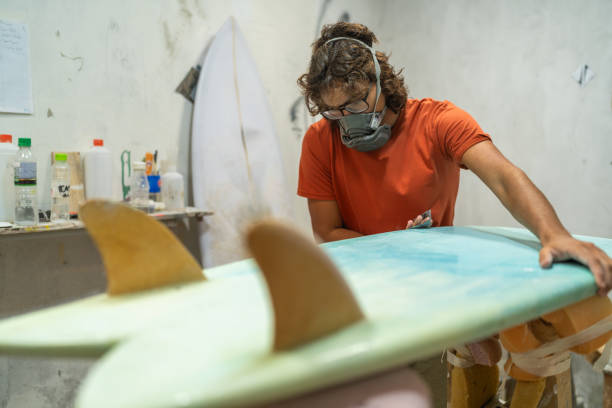
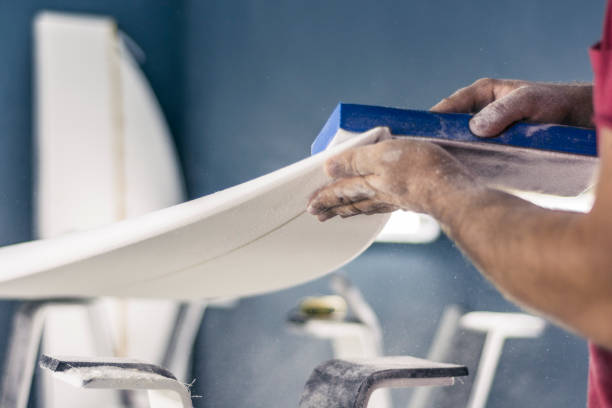
Materials: Foam, Fiberglass, Epoxy
Live Surf Cams

Surfline Live is a 24/7 glimpse into the world’s surf.

This stream moves through Surfline’s global camera network, showing spots where it’s daylight and rated Fair or better.

What’s The Deal With…?

Surfboard Evolution

For sure, it’s one of the biggest talking points. PU/PE boards have a more noticeable, springy flex. This can give a sensation of being propelled out of a turn, adding power. Epoxy constructions are typically stiffer. This stiffness translates to a super direct, instant response off the top and in snaps, which some surfers love. It’s not better or worse—it’s feel. Some say PU has more “give” and feedback, while epoxy is all about precision and speed. Your surfing style will pick a favorite.

Epoxy setups (EPS foam with epoxy resin) are the go for many modern surfers because they’re light and tough as nails. That lighter weight means easier paddling and more pop off the top. They’re also more buoyant, helping you catch mushy waves with less effort. While some purists miss the “soul” of a traditional PU board, epoxy’s durability is a huge plus if you’re traveling, or if your board tends to kiss the reef now and then. Less ding-prone is always a good thing.

Here’s the scoop: epoxy boards generally win the durability contest. The EPS foam is less likely to pressure dent, and the epoxy resin is more resistant to cracking and yellowing than traditional polyester resin. A PU board with a polyester glass job is more prone to dings and pressure dings from your knees and feet. So, if you’re a weekend warrior or your boards live on a roof rack, epoxy might save you some repair bills and keep you in the water longer.

Surfboard Evolution

It’s all about the vibe you want. Traditional polyurethane foam and fiberglass with polyester resin (PU/PE) is the classic feel—flexy and responsive. EPS foam with epoxy resin is lighter, stronger, and floats better, which is awesome for smaller waves or if you’re just getting your feet wet. Epoxy boards can feel a bit stiffer, but they’re crazy durable. Then you’ve got soft-tops (foamies) for total beginners. Each combo changes how the board paddles, turns, and feels under your feet.

Not even close, dude! While they’re the heart of classic longboarding, PU/PE construction is still the standard for high-performance shortboards. Many pros stick with it because that specific foam and resin combo offers a unique flex pattern and a certain “live” feel underfoot that many say drives harder through turns. It’s a preference thing. If you want that proven, springy drive from your bottom turns and critical snaps, a well-shaped PU board is often the weapon of choice.

You bet. That’s where tuning your quiver comes in. The extra float and paddle power of lighter epoxy boards make them magic for smaller, weaker days—you’ll catch everything. For pumping, hollow waves where you need maximum control and drive, many surfers prefer the planted, energy-rich feel of a PU shortboard to really dig in and handle the speed. It’s about matching the tool to the job. Having options for different days is the dream, but if you can only have one, consider your local break.