Fin Companies: Tuning Your Ride

Live Surf Cams

Surfline Live is a 24/7 glimpse into the world’s surf.

This stream moves through Surfline’s global camera network, showing spots where it’s daylight and rated Fair or better.

What’s The Deal With…?

Surf Gear & Brands

Size matters, but it’s not just about height. Fin size (often based on your weight) affects the amount of hold and drive. Too small, and you’ll feel sketchy and slide out. Too large, and the board can feel stiff and tracky, resisting quick direction changes. Most manufacturers have weight charts—use them as a starting point. Your style matters too: a more aggressive surfer might size up for control, while a flowy surfer might size down for looseness.

For sure, brah! This is where fins shine. In weak surf, you want fins that generate speed and help you create your own energy. Smaller fins, or a specific quad set, reduce drag and allow for quicker acceleration. Fins with more flex can also help “pump” through flat sections. Look for setups marketed as “performance groveler” or “speed generator” templates. They’re designed to turn ankle-biters into fun sessions, keeping you moving when the ocean is barely breathing.

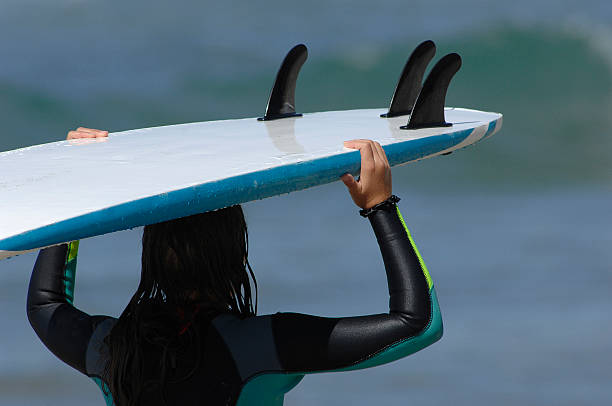
It’s all about feel and performance, dude. A single fin is your classic, soulful cruiser—smooth turns and a timeless vibe. Thrusters (three fins) are the all-rounder magic, giving you grip, speed, and responsiveness. Quads (four fins) are for speed demons; they’re loose, fast, and hold in bigger, hollower waves. It’s like choosing the right tool for the job, whether you’re gliding on a log or shredding a pitching barrel.

Surf Gear & Brands

The eternal shop debate! Both are great systems. Futures are a single, solid tab, often feeling stiffer and more direct. FCS II uses two smaller tabs and a clever click-in system, allowing for super quick changes. One isn’t inherently better; it’s about preference and your board’s plugs. The key is to find a system and stick with it so you can build a quiver of fins that work across your boards. No need for holy wars—just go surf.

It’s a trade-off between flex and performance, bro. Stiff materials like carbon fiber or high-grade fiberglass give you explosive response and direct energy transfer—no energy wasted. More flexible materials like certain plastics or composites offer forgiveness and a smoother feel, especially in choppy conditions. It’s like the difference between a race car suspension and a cruiser. Many riders start with a durable plastic composite and then dive into the nuanced world of performance materials.

Absolutely! Small adjustments can unlock a new board. Moving fins forward in the box makes the board feel looser and quicker to pivot. Sliding them back adds stability and hold, keeping you locked in on bigger faces. Don’t be afraid to experiment a quarter-inch at a time. It’s the cheapest and easiest way to fine-tune your ride without buying new gear. Sometimes that sweet spot is all it takes to go from “meh” to magic.