All Articles

Live Surf Cams

Surfline Live is a 24/7 glimpse into the world’s surf.

This stream moves through Surfline’s global camera network, showing spots where it’s daylight and rated Fair or better.

What’s The Deal With…?

Surfboard Evolution

Fin setups totally change your board’s feel, bro. The classic single-fin gives you smooth, drawn-out turns but can feel stiff. Thrusters (three fins) are the all-rounder standard—they offer sick drive, control, and release off the top. Quads (four fins) are speed machines, unreal for down-the-line juice and barrel sections. Twins (two fins) are all about soulful, skatey flow. It’s like tuning a car; you’re dialing in how your board holds, releases, and generates speed. Experimenting is half the fun!

Think about your vibe and the waves, bro. Shortboards (under 7ft) are for high-performance ripping in good waves. Longboards (9ft+) are for classic style, nose-riding, and catching anything that moves—pure soul surfing. The funboard or mid-length (7-8ft) is the sweet spot for many: easier to paddle than a shorty, more maneuverable than a log. It’s the ultimate “one-board quiver” for daily drivers who just want to have fun in most conditions.

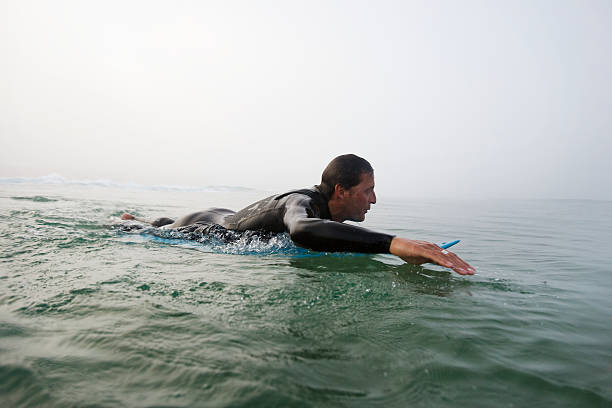
Because surfing is 90% paddling! Strong paddle fitness gets you out back faster, through impact zones, and into waves before they peak. It lets you sit outside and catch more waves with less exhaustion. It also helps with duck diving and overall stability on your board. You can’t surf if you’re gassed from the paddle out. Building that endurance and shoulder strength is the ultimate hack for better, longer sessions.

Surf Lingo Explained

A goofy footer is a surfer who naturally rides with their right foot forward on the board. It’s the opposite of “regular foot,“ which is left foot forward. There’s no advantage to either; it’s just your natural stance, like being right or left-handed. The term is said to come from the old cartoon “Goofy” surfing right foot forward!

It’s all about the recipe, dude. The wave itself—point break, beachie, or reef—sets the foundation. Then you add the locals, the town’s history, the water temp, and even the access. A chilly NorCal point breeds a different vibe than a busy SoCal beach break or a remote Indo lineup. It’s the mix of terrain, community, and pure stoke that creates a spot’s unique soul. Respect that, and you’ll always score better waves and better times.

Don’t just charge straight out, brah. Watch for a few minutes first to time the sets. Your mission is to paddle like mad during the lull. When a set comes, don’t fight it—ditch your board (if it’s safe and no one’s behind you) and dive under the whitewater, or turtle roll on a longboard. Conserve your energy. The goal is to get past the break zone efficiently, not to win a battle with every single wave.