All Articles

Live Surf Cams

Surfline Live is a 24/7 glimpse into the world’s surf.

This stream moves through Surfline’s global camera network, showing spots where it’s daylight and rated Fair or better.

What’s The Deal With…?

Surf History & Legends

It’s all about visual learning, bro. By watching how pros read a lineup, position for takeoffs, and navigate sections, you absorb their rhythm. You see different styles—from powerful carves to smooth flow—and can mentally practice. Docs often break down wave mechanics and board design, helping you understand the why behind the ride. It’s like a free coaching session from the greats, building your ocean knowledge and giving you new ideas to try next session.

Channels are those deep grooves running from the fins to the tail. They’re all about control in heavy, powerful surf. Think big, chunky waves like Pipeline. The channels act like the fins on an airplane’s wing, directing water flow and reducing side-slip when you’re taking off late or driving through a critical section. They give you extra hold and predictability when you absolutely cannot afford to slip out. You won’t find them on your small-wave board, but on a step-up or a gun, they’re a game-changer.

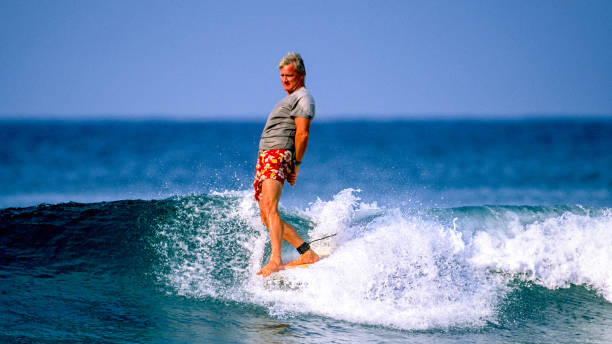
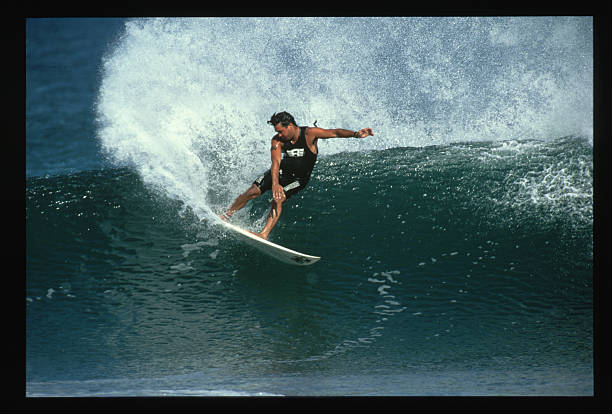
The scene was ruled by style masters. Think of Miki Dora, the “Black Knight,“ with his pure, irreverent style at First Point Malibu. Then you had Phil Edwards, the first pro surfer, and the graceful David Nuuhiwa. On the nose, nobody touched Robert August and Mike Hynson, whose global search in The Endless Summer captured the dream. These guys weren’t just surfers; they were the original soul archivers, defining cool with every drop-knee turn and tip-time stroll. They were the rockstars of the beach.

Surf Travel Adventures

Every lineup has its own rhythm and rules. Dropping in on a local’s wave or paddling straight to the peak is a sure way to burn bridges and create bad vibes. Watch from the channel first, see who’s getting waves, and always wait your turn. A friendly nod and a humble attitude go way further than aggression. Remember, you’re visiting their backyard; act like a respectful guest, not a wave hog.

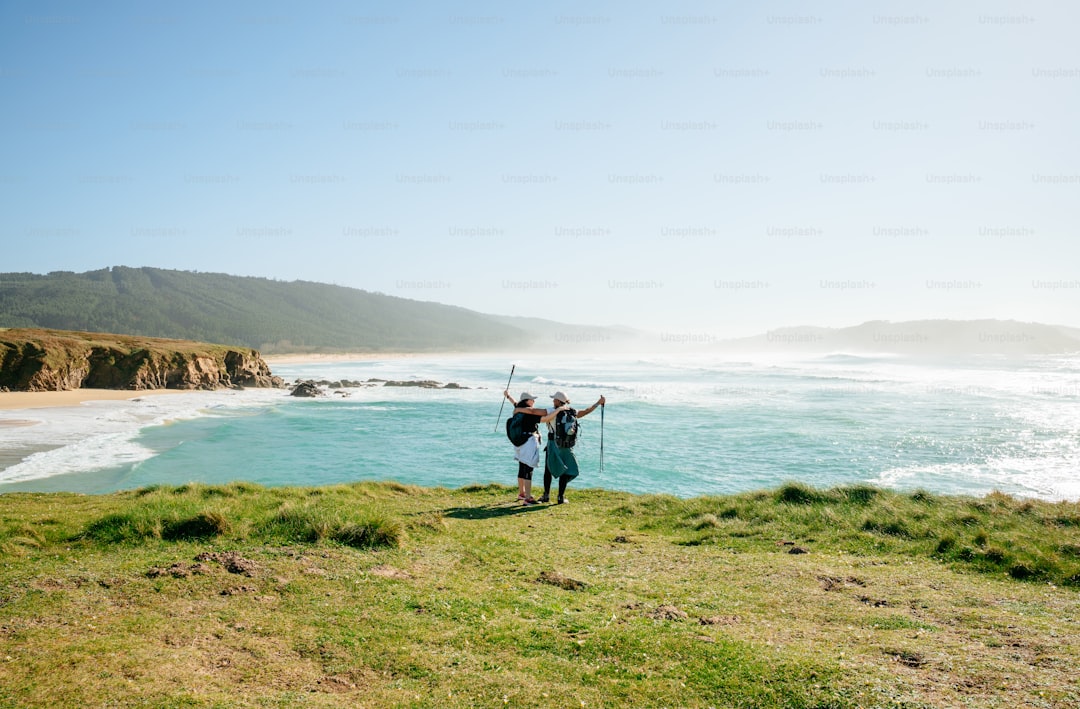
It takes legwork, mate. Get off the beaten path. Look at maps for lesser-known coastlines. Wake up for the dawn patrol before anyone else. Sometimes you score the best waves just by walking down the beach a bit further. Talk to shapers or shop owners, not just other tourists. Be respectful and low-key when you find a quiet peak—keep it on the down-low.

As a surfer, you’re in the water daily, so you see the changes firsthand—pollution, plastic, weird algae blooms, and shifting sandbars. You feel the water temp and see the marine life. This intimate connection makes ocean conservation personal. Protecting the break means protecting your stoke. It’s about keeping the lineup clean and the waves pumping for the next dawn patrol.