All Articles

Live Surf Cams

Surfline Live is a 24/7 glimpse into the world’s surf.

This stream moves through Surfline’s global camera network, showing spots where it’s daylight and rated Fair or better.

What’s The Deal With…?

Surf Lingo Explained

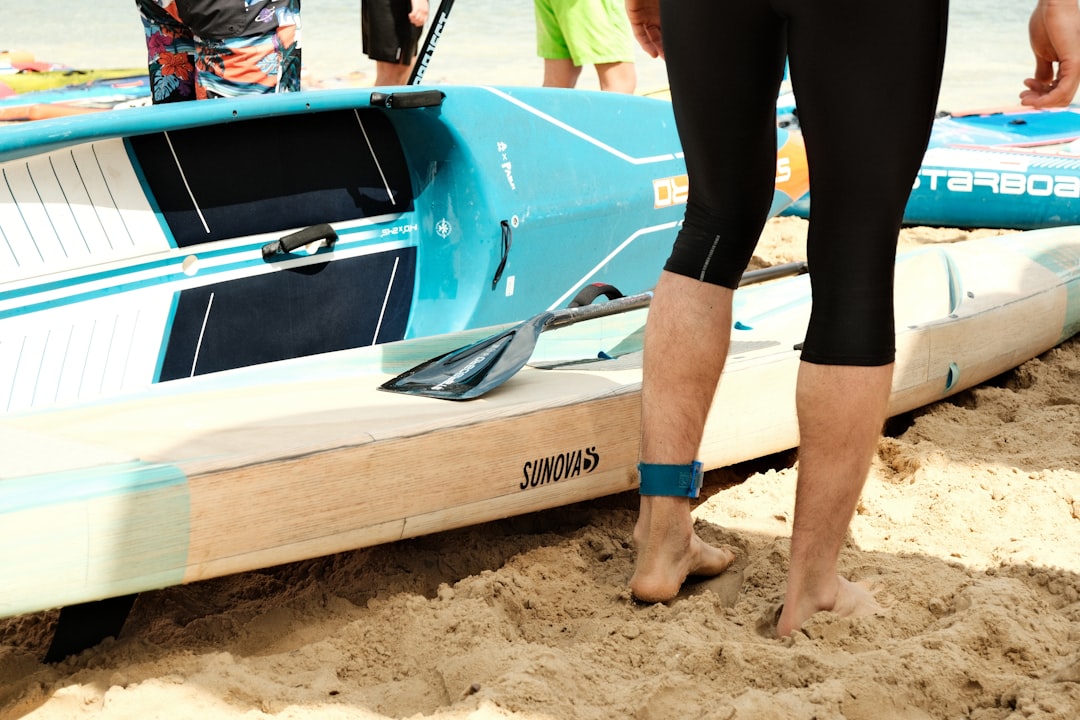
A good leash! A cheap, thin leash is a liability. It can snap, sending your board flying into others—a major safety hazard known as a “board missile.“ Invest in a solid, urethane-cord leash that matches your board’s length. It’s your connection to your equipment and a critical piece of safety gear for everyone in the water. While you’re at it, make sure the rail saver is properly attached to your board’s plug. Trust us, swimming in after a lost board is no fun.

Respect is everything. Paddle out with humility, observe the lineup hierarchy, and don’t drop in. Support the local economy by buying from shops and eating local. Be mindful of your footprint—reef-safe sunscreen, no littering. Understand that you’re a guest in the ocean and the community. Leave spots as you found them, or better. Sustainable travel ensures those magical places and their waves stay pristine for the groms and the locals who call it home.

Kauai is the ultimate wave garden. It’s raw, powerful, and stunningly beautiful. Unlike the more crowded breaks on other islands, the Garden Isle offers a more rugged, adventurous vibe. From the legendary barrels of Hanalei Bay to the challenging reefs of the North Shore, it’s a place where nature calls the shots. The vibe is pure aloha, but respect is key—this island demands good watermanship and local knowledge. It’s surfing in its most elemental form.

Surf Technique Deep Dive

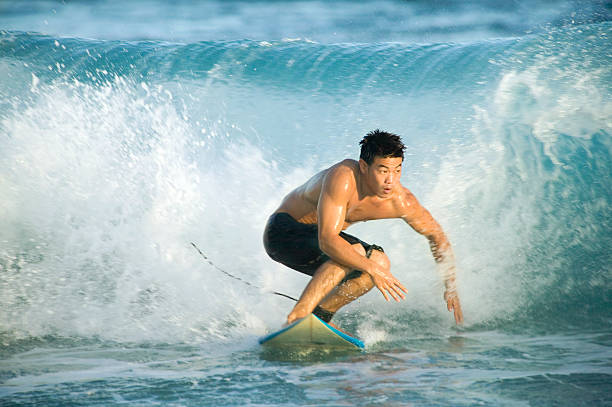
Not really better, but each stance can offer a different perspective on the wave. Goofy-footers might find it easier to set up for a right-hander (a wave breaking to the right), as they’re facing the open face. Regular-footers have the advantage on lefts. For airs and tricks, it’s more about personal style and practice. Some spots might feel more natural for one stance on the take-off, but a good surfer learns to rip on both their frontside and backside, regardless of their natural footing.

You can’t show up with one stick! You’ll need a dedicated gun for the biggest days at Waimea or Outside Log Cabins—think 9’0” and up. A good-step-up board (7’6” range) is for solid Pipeline or Sunset. Don’t forget a standard shortboard for when it’s “smaller” (still overhead!). Each break demands a specific tool. It’s all about matching your equipment to the mountain of water you’re about to ride.

First, do your homework. Check the charts, watch the swell direction, and get the local lowdown if you can. From the cliff, look for a consistent breaking pattern and watch where the crew is sitting. Check the water color—dark patches can mean deeper channels, lighter patches mean the reef is shallow. Most importantly, take your time. Paddle out and just watch for a set. Don’t just charge in. You need to figure out the take-off spot, the rip, and the safe exit channel before you even think about dropping in.