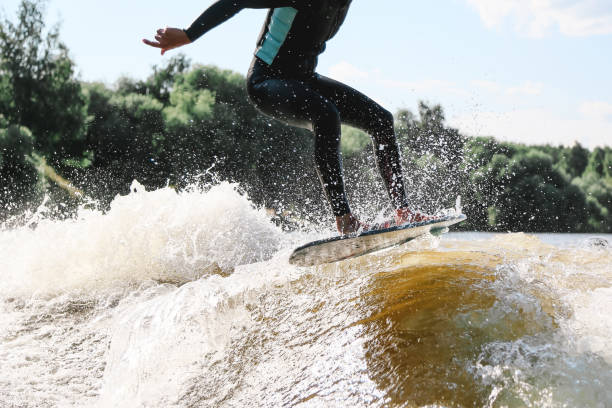
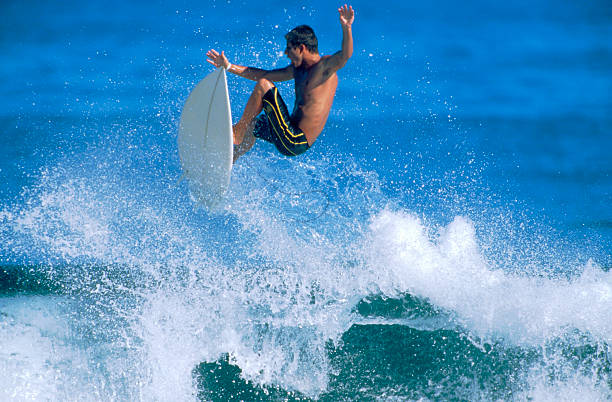
You paddle for a set wave, feel that familiar lift as the swell catches your board, and drop down the face. The world tilts, the lip hovers overhead, and for a split second you’re suspended between speed and chaos. Then you commit. You sink your weight, drive your back foot, and slice that rail into the water. That moment—the bottom turn—is the single most important move in surfing. Without it, you’re just a guy flailing down a wall. With it, you unlock the entire ocean.
The bottom turn ain’t flashy. You won’t see it in highlight reels the way you see airs or tube rides. But every serious surfer knows it’s where the magic starts. It’s the foundation that lets you set up a snap, a cutback, or a barrel. It’s the difference between surviving a wave and dancing with it. I’ve seen groms spend years trying to throw a radical fin-out maneuver, only to realize they never learned to set the rail properly in the first place. The bottom turn is the language the wave speaks, and if you don’t listen, you’ll never get the conversation.
Let’s break it down, but not in some stiff, textbook way. Picture yourself dropping in on a chest-high right-hander at your home break. Your weight is centered, knees bent, eyes locked on the section ahead. As you reach the trough—the lowest point of the wave’s face—you start to lean. But here’s the rub: it’s not just leaning. It’s a full-body compression, like coiling a spring. Your back hand reaches toward the wave face, your front hand points where you want to go, and your back foot applies pressure through the heel. That rail bites into the water, and the board pivots. You’re not turning; you’re carving a line of resistance. The wave pushes back, and you use that push to redirect your momentum upward.
The bottom turn is all about timing. Too early, and you’ll bounce off the lip without any drive. Too late, and you’ll shoot past the wave’s power zone, left with nothing but foam and regret. You gotta feel the wave breathing beneath you. A good bottom turn starts before you even drop—you read the wave’s angle, the speed of the section, the wind texture. Then you commit, and you trust your edges. There’s a reason the old-school legends like Gerry Lopez and Tom Curren made it look so effortless. They understood that the bottom turn is less a move and more a conversation with the ocean’s energy.
What most people get wrong is the idea that you need to sink deep into the trough. Sure, you need to get low, but it’s about projection. You’re not trying to sit at the bottom; you’re using the bottom to spring yourself up. Think of a slingshot. You pull back, feel the tension, then release. That release is what sends you flying into the next maneuver. If your bottom turn is flat and rushed, you’ll end up losing speed and having to pump your way back into the pocket. If it’s too drawn out, you’ll stall. The sweet spot is a smooth, arcing rail turn that changes direction without bleeding momentum.
The best surfers I’ve watched—John John Florence, Stephanie Gilmore, Kelly Slater at his peak—they all make the bottom turn look like a simple breath. But watch in slow motion. See how John John drops his back shoulder, twists his hips, and drives through his back foot with a subtle shift. He doesn’t panic. He doesn’t rush. He lets the wave tell him when to initiate. It’s Zen. It’s flow.
Mastering the bottom turn changes your whole approach to surfing. Suddenly, every wave becomes a canvas. You stop thinking “I hope I make this drop” and start thinking “How can I use this turn to set up a fade, then a float, then a vertical snap?” The wave opens up into a series of possibilities. You become the artist, not the victim.
Of course, practice is everything. Paddle out on a small, slow day and just work on bottom turns. Don’t try to hit the lip. Don’t try to cutback. Just focus on that one turn—feeling the rail engage, the water rushing past your fin, the subtle pressure changes in your feet. Do it over and over until your body remembers what your mind can’t. That’s muscle memory. That’s the path to the endless summer.
The bottom turn is the heartbeat of the surfing life. It’s where technique meets intuition, where steel meets soul. When you nail it, the wave rewards you with speed, with line, with the promise of the next moment. So next time you paddle out, give that bottom turn the respect it deserves. Drop in, compress, and carve. Feel the ocean respond. That’s the art, right there.