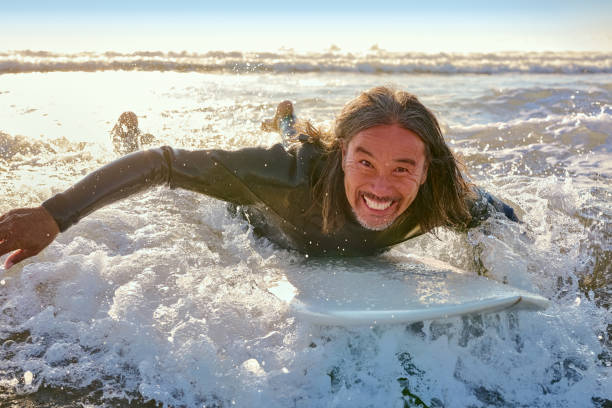
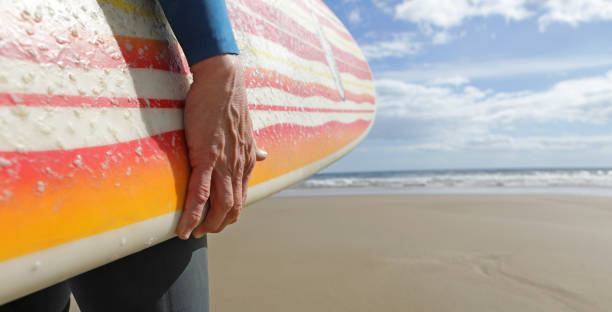
There is a certain kind of magic that happens in the gray-blue light just before the sun cracks the horizon. The wind is glassy, the tide is right, and the only sounds are the hiss of the foam and the call of a lone pelican. For most of us, this is the sacred time—the dawn patrol. But for a growing tribe of watermen and women, the first act of the day is not waxing up the stick or checking the sweep. It is picking up the trash that washed in overnight.
Living the beach life isn’t just about how many barrels you tuck into or the tan line on your feet. It is about the way you show up for the ocean that gives you everything. And in my world, one of the most real, most grounding routines is the morning beach clean. It sounds simple, and it is. But don’t let the simplicity fool you—this is a powerful piece of the curl lifestyle.
I grab my old mesh sack, the one with the salt-stained drawstring, and I start at the high-tide line. This is where the ocean leaves its receipt. Plastic bottle caps, fishing line tangled like a nightmare, microplastics that look like colorful sand, and the occasional single flip-flop that has seen a better day. I don’t wear gloves because I like to feel the texture of what I am picking up—it keeps me honest. Each piece of trash is a story of something that was used once and then forgotten. And every piece I pull off the sand is one less threat to the turtle, the seabird, or the grom who steps on a piece of glass.
What started as a personal ritual has become a community thing. You see, the lineup is not just a place to sit and wait for waves; it is a tribe. When you show up with your bag and start cleaning, something shifts. The guy who usually stays in his own bubble comes over and asks for an extra bag. The kids on the beach stop throwing sand and start helping. It turns the pre-session stoke into something deeper. It is a quiet act of reverence—a “thank you” written in action rather than words.
There is a rhythm to it, same as paddling out. You bend, you grab, you step. Breathe. Bend, grab, step. It gets your blood moving, wakes up the spine, and tunes your eyes to the small details of the shoreline. You start seeing the beach differently—not just as a playground for your shortboard, but as a living, breathing thing that needs to be looked after. You notice where the kelp piles up, where the sand shifts after a big swell, and how the footprint of the night before—bonfires, parties, careless tourists—can be erased by a few focused people who care.
And then, when the bag is half full and the sky starts to blush, you get to paddle out. You hit the water with clean hands and a clean head. Your first wave tastes different. It feels earned. Because you have given something back to the sea before you took something from it. That trade, that exchange, is the heart of living the beach life. It is not about grabbing all you can. It is about being in relationship with the ocean—a relationship built on respect, not just recreation.
I have seen the morning clean change people. I have seen the grumpiest local, the one who hoots at everyone and drops in on tourists, soften when he sees a six-year-old picking up a beer can. I have seen travelers from landlocked states join in, not because they understand the stoke yet, but because they feel the vibe. The beach clean is not a chore. It is a gateway. It teaches you that the lineup rules of respect travel straight to the shore. You treat the break with aloha, and the break treats you with waves.
So if you are chasing that endless summer vibe, do not just chase the swell. Chase the connection. Wake up a little earlier. Grab a bag. Clean your home before you play in it. You might find that the best part of the session happens before you even paddle out. The ocean will thank you. And so will the guy on the next peak who gets to enjoy a cleaner, safer wave.