
All Articles

Live Surf Cams

Surfline Live is a 24/7 glimpse into the world’s surf.

This stream moves through Surfline’s global camera network, showing spots where it’s daylight and rated Fair or better.

What’s The Deal With…?

Surf Lifestyle & Travel

Respect is everything. Always observe before paddling out: identify the peak, who’s riding, and the vibe. Don’t drop in—the surfer closest to the peak has priority. No snake moves! Paddle wide around the break, not through the lineup. A friendly nod goes a long way. Remember, locals surf these waves daily; show humility, wait your turn, and you’ll earn your waves. Good vibes are contagious.

It’s all about the pre-game. Prep your gear the night before—wetsuit, board, leash, all by the door. Set that alarm with a gnarly name like “Barrel Call.” Having a dedicated dawn patrol crew is key; you’re less likely to bail if someone’s waiting for you. Remember the feeling of empty lineups and silky waves. That first duck dive into cool water shocks the sleep away. The hardest part is getting out of bed, but you’ll never regret it once you’re out there.

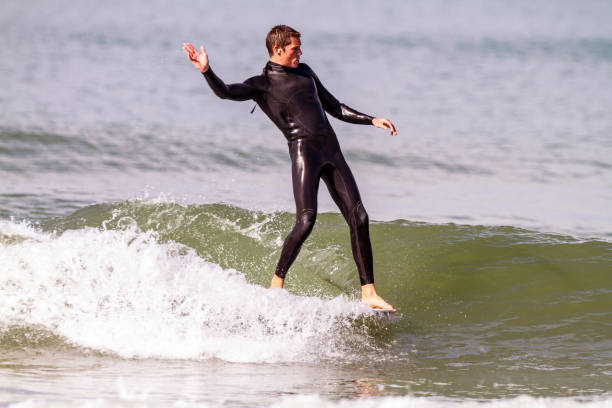
You can totally chase that feeling! While we ride modern sticks, the essence remains: trimming down the line with style, feeling the wave’s energy, and just having a blast. To truly connect with his approach, try a heavy, traditional longboard or even attend a “beachboy” style clinic. It’s less about radical snaps and more about smooth, elegant noserides and soul-arches. It’s a timeless, graceful approach that reminds you surfing is, at its core, about the pure glide.

Surf Technique Deep Dive

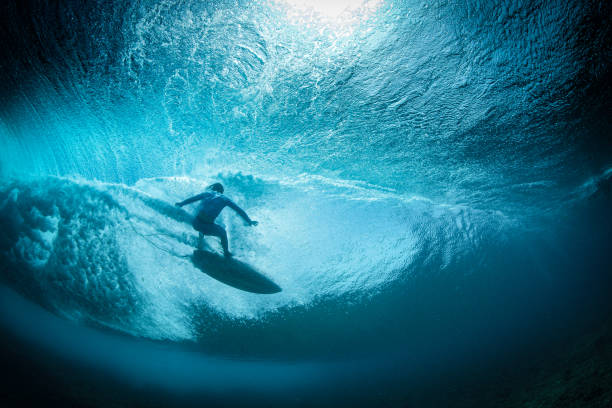
You want a clean, angled spear, not a belly flop. As you paddle to meet the wave, take one or two strong, deep strokes to build momentum. Grab the rails near the front of your board (around chest-width apart), then in one fluid motion, push the nose down at about a 45-degree angle while shifting your weight forward. Your body follows the board’s path under. A clean entry slices through the surface tension and gets you deeper with less effort. It’s all about that smooth, committed motion.

You need the right housing for your camera, first off. Waterhousing is essential. Then, it’s all about watermanship—knowing how to read the sets, duck dive with your rig, and position yourself without dropping in on anyone. Stay aware of your surroundings and the lineup. It’s a workout, and you’ll take your share of waves on the head, but getting that intimate, eye-level perspective from the impact zone is totally worth it.

Don’t cheap out here! Length should roughly match your board length. Key features include a strong swivel (to prevent tangling), a comfortable calf strap with neoprene backing, and a durable cord. Thicker cords (9mm+) are for bigger waves. The leash is your lifeline to your stick; a snapped leash means a long swim and a potential hazard for others in the lineup. Check it for wear and tear regularly.