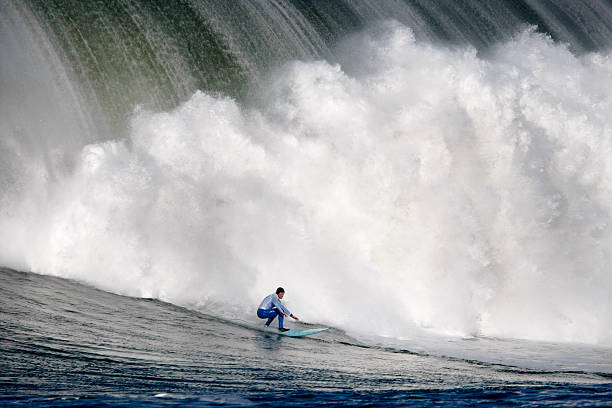
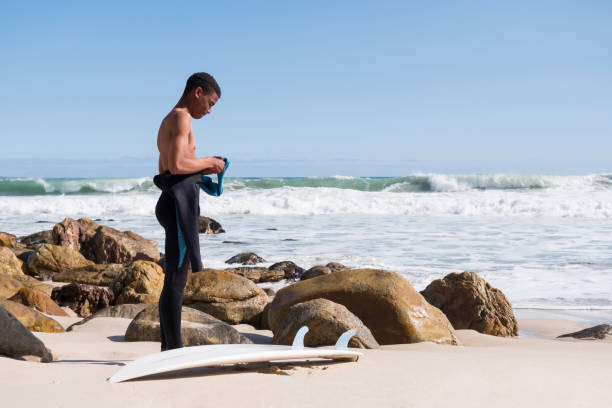
Jeffreys Bay sits on South Africa’s Eastern Cape like a secret whispered between the ocean and the sky. For surfers, it’s more than a beach town. It’s a rite of passage, a place where the southeast wind turns humble water into liquid speed. You arrive with boards, dreams, and a healthy dose of respect. By the time you leave, you carry something deeper—a connection to a wave that has tested and taught countless souls.
Supertubes runs down a rock point with a purity that makes other waves seem cluttered. Each section links like a jeweled chain, offering barrels that hollow out with a perfect green roof. The takeoff is over shallow reef, and the locals paddle with confident strokes. Visitors must prove their worth. Sit too deep, and you get sucked over the falls. Drop in late, and you miss the whole line. Catching Supertubes takes timing, vision, and a willingness to eat a little reef when the ocean demands humility.
But J-Bay’s magic stretches far beyond that famous peak. The bay has multiple breaks that change with sand movement and swell direction. Kitchen Windows offers playful walls, while Boneyards throws a heavier, more threatening tube. Surfing here means honoring the unspoken rules. No snaking. No back-paddling. Wait your turn, share the energy, and you’ll find the lineup welcoming. Those who bring ego into the water quickly discover the reef’s unforgiving nature.
Traveling to Jeffreys Bay feels like stepping into a timeless surf film. You fly into Port Elizabeth, then drive through rolling hills and coastal scrubland. The town itself buzzes with a relaxed energy. Surf shops, coffee stalls, and the smell of wood smoke from evening braais fill the air. Accommodation ranges from rustic backpackers to cliffside villas. Most people choose simple spots where you can hear the ocean from your pillow. That sound becomes your heartbeat for the entire stay.
The surf lifestyle here is laid-back but serious. Mornings begin with a dawn check, a quick look at the horizon to see if the swell has arrived. If it’s firing, you paddle out before breakfast. If it’s flat, you drink coffee, stretch, and talk story with other wave chasers. Afternoons are for glassy sessions or watching the pros work the line. Evenings are for cold lagers, fresh seafood, and planning the next swell chase. The sun sets orange over the water, and you feel the endless summer in your bones.
The social scene at J-Bay revolves around the ocean. Supers and Boneyards may draw the adrenaline junkies, but the real heart of the town beats in the carparks and the beach bars. You’ll meet surfers from Australia, Brazil, and Hawaii, all sharing the same stoke. Local kids bodyboard the shorebreak, old-timers tell tales of massive winters, and someone always has a guitar. The vibe is very inclusive, friendly, and deeply connected to the swell every day brings.
Timing is everything at J-Bay. The best swells arrive during winter months, from May through August, when south Atlantic storms push groundswell toward the point. Offshore west winds groom the faces into perfection. But the ocean doesn’t follow calendars. You learn to be patient, to watch the buoy reports, to trust the rhythm of the tides. That patience becomes a meditation. You sit on the beach, feeling the pulse of the planet, waiting for the ocean to answer.
Jeffreys Bay doesn’t just give you waves. It gives you perspective. The local community mixes ancient African warmth with a modern surf culture. Fishermen, builders, and surfers share the same shoreline. You hear stories of legendary surfers who passed through, and you sense their presence in the lineup. The wave remains wild, untamed, and entirely worth the journey. When you finally drop into a clean barrel, time slows. The roar of water fills your ears. Then you’re out the other side, laughing, alive, grateful.
That’s the secret of J-Bay. It’s not about conquering the wave. It’s about becoming part of its flow. You leave with salt in your hair and a new understanding of what it means to chase a perfect wave. You’ll dream of that right-hander long after you’re home. And you’ll know, deep down, that you’ll always be back soon.