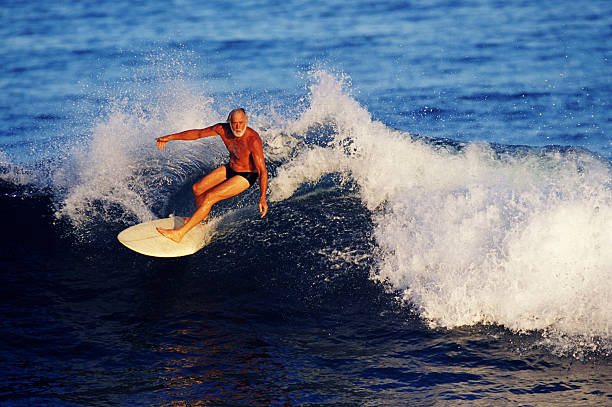
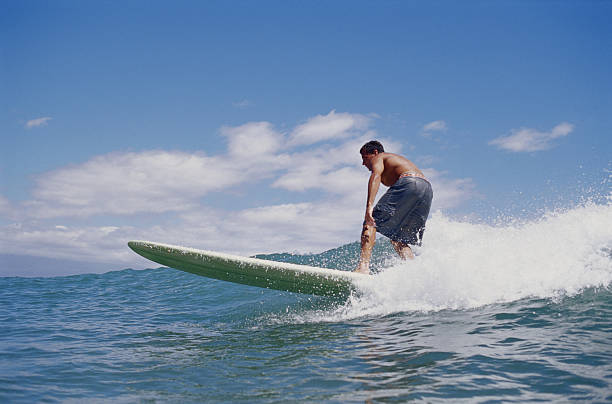
Catch a wave, and you’ll hear it before you see it—that reverb-drenched twang, that galloping snare, the roar of a tube folding over itself. Surf rock wasn’t just music; it was the sonic translation of salt spray and shredded foam, a way to bottle the stoke and replay it whenever the swell went flat. Born in the late fifties and cranking to life in the early sixties, this instrumental explosion gave the beach lifestyle its own anthem, one that didn’t need words to tell you exactly how it felt to drop into a overhead peak with nothing but a plank and a prayer.
The godfather of the whole shebang was Dick Dale, a Lebanese-American surfer from Santa Monica who basically invented the sound by chasing the feel of a breaking wave. He’d pump his Stratocaster through a Fender amp, dialing in so much reverb that the notes dripped like water off a waxed rail. His rapid alternate picking, influenced by the oud music his father played, created a galloping, Middle-Eastern flavored assault that perfectly mimicked the frantic rush of a paddle, then the heavy drop, then the open-throttle trim down a glassy face. Songs like “Miserlou” and “Let’s Go Trippin’” didn’t just get played—they got felt. The first time you hear that opening riff, you know exactly what it’s about, even if you’ve never touched a board. That’s the magic.
But it wasn’t just Dale. The whole scene was a tribe of beach bums and garage kids who grabbed whatever cheap guitar they could find and turned the volume to eleven. The Chantays dropped “Pipeline,” a track that literally rides the wave, with a slow building swell of melody that explodes into a fast moving churn, then spits out the other side. The Ventures came in with tight, surf-tinged rock that made every summer party feel like a bonfire session. And the Astronauts, the Safaris, the Bel-Airs—each crew added their own little stoke, from twangy western licks to doo-wop harmonies under the boardwalks. What tied them all together was that essential recipe: Fender reverb, a heavy dose of tremolo, and a backbeat that sounded like a drumline marching across wet sand.
Surf music wasn’t just background noise either. It was the soundtrack to the whole lifestyle. You’d hear it blasting from a ’58 Impala headed to the beach shack, or from a tinny AM radio tucked under a beach towel. It scored the super-8 movies that local shapers would shoot of their friends ripping tiny beach breaks. It transformed the act of just sitting in the sun into a cinematic event. The culture that grew up around surfing—the boards, the racks, the windblown blondes, the peeling points—needed a voice, and this loud, reverb-soaked instrumental howl became it.
The connection to art ran deep as well. The record sleeves were little masterpieces of their own: sun-bleached horizons, cartoon longboarders hanging ten, tropical sunsets that promised endless summer. The music inspired a visual language that took over poster design, t-shirt graphics, and eventually the whole California mythology. Even when the British Invasion blew through and knocked instrumental surf rock off the charts, the vibe never died. It just went underground, popping back up in punk rock, in garage revival, in the soundtracks of Tarantino movies. Every time a new generation discovers the pure joy of riding a wave, they find their way back to that old 45 from 1963 and think, “Damn, this rips.”
So next time you’re sitting in the lineup, watching the horizon for a set, let that imaginary guitar riff run through your head. Let the dry reverb mix with the hiss of the whitewater. That’s the real surf music—not just the notes, but the way they capture the patience, the rush, the pure stoke of being alive in the ocean. The waves keep rolling, and so does the sound. Hang loose, turn up the amp, and let the tube speak.