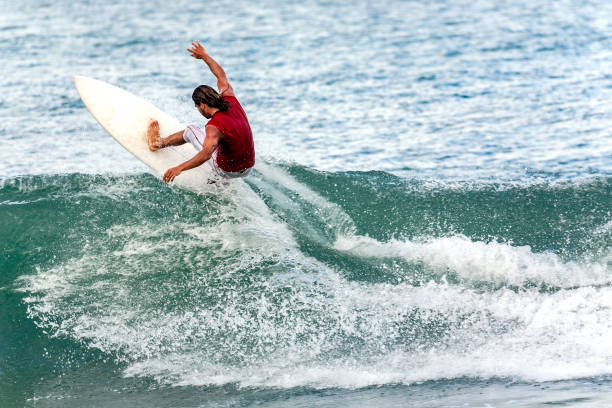
You paddle out at dawn, and the lineup is already a quiet congregation of silhouettes waiting on the horizon. Nobody says a word, but every single soul in the water understands the same set of rules that have been passed down through generations. This is the unwritten code, the deep and often misunderstood heartbeat of surf culture that exists far beyond the thrill of the drop. It is a system of ethics born from necessity, respect, and a shared obsession with a fleeting, liquid energy.
Surfing is not a sport you can dominate with brute force alone. You cannot bribe the ocean or shout your way into a better wave. The lineup is a pure, raw meritocracy where your actions speak louder than any board sticker or wetsuit brand. The very first and most sacred rule is simple: do not drop in. When a surfer is deeper on the wave, already committed to the face, that wave belongs to them. Cutting them off is the cardinal sin, a move that not only destroys the ride for another but also creates a dangerous collision course. It is the quickest way to earn a filthy glare, a blunt word, or in some hallowed local breaks, a surfboard to the head. This is not about being mean; it is about survival and order in a highly competitive, crowded environment.
But the code runs deeper than just who rides which wave. It is about the vibe you bring to the water. You earn your place not by being aggressive, but by being patient and observant. You watch how the break works. You see who has been sitting in the peak longest. You wait for your turn. The old-timers, the ones who have surfed that break for decades, are the gatekeepers of the local knowledge. They know the sandbars, the swell directions, and the secret reefs. You show them respect by keeping your distance, by not paddling inside them, and by acknowledging them with a simple nod or a “Mornin’.“ Earn their trust, and they might share a tip. Disrespect them, and you will find the entire lineup closed to you. This is localism, and while it gets a bad rap in the glossy magazines, at its core it is about protecting a fragile resource from the chaos of total strangers who have no reverence for the place.
Beyond the conflict, the unwritten code is the reason surfing can feel like a spiritual communion. When you are out there, silent, with your feet dangling off your board, you are part of a collective. You all feel the same pulse of the ocean. If someone blows a takeoff, you paddle over their board to give them room. If you see a golfer (a non-surfing tourist) flailing on a rental board, you guide them away from the impact zone before they get hurt. You take your trash back to shore. You never, ever leave a fin cut on someone’s board without saying sorry. These small acts of grace keep the water clean, both physically and energetically. The best sessions are not always the ones with the biggest waves, but the ones where the whole lineup is in sync, trading waves, hooting for each other’s rides, and sharing a silent, unspoken stoke.
The code also extends to the land. It is how you treat the guys in the parking lot, the shaper who fixes your ding, and the beach itself. The true soul surfer understands that the wave you ride today is a gift from the wind and the tide, and that the ocean does not owe you anything. This humility is the foundation of the lifestyle. It is why a surfer will drive hours for a flat day and still find joy in the session. It is why we respect the legends like the Duke, who brought this practice to the world not with a contract, but with a spirit of aloha that demanded sharing. The worst thing a surfer can do is bring the greed and ego of the mainland into the water. The ocean will always humble you. It has a way of teaching you the difference between a surfer and a guy who just rides a board.
So next time you paddle out, leave the attitude on the beach. Watch, listen, and learn. The wave you let go by might be the one that opens the door to a new friend, a new spot, or just a better day. The unwritten code is not about restricting your fun; it is about ensuring everyone gets a piece of the magic. It is the quiet thread that connects a grom at Malibu to a soul surfer in Indonesia, all chasing the same endless summer. Respect the lineup, respect the locals, respect the ocean, and the stoke will find you every single time.