There’s a moment in the dark hours, when the world is still half-asleep and the only sound is the low growl of your own heartbeat mixing with the distant rumble of the ocean, that every surfer knows intimately. It’s that electric hum of anticipation, the kind that crawls up your spine and settles in your chest like a coil of compressed energy. We call it frothing, and nowhere does it burn brighter than during the dawn patrol. This isn’t just a session—it’s a ritual, a sacred pilgrimage to the water before the rest of humanity has even cracked an eye. It’s the raw, unfiltered excitement of knowing that the swell has arrived while the world was sleeping, and you are about to be the first to greet it.
Frothing is that visceral, almost uncontrollable excitement that takes over when conditions align just right. It’s checking the buoy readings at 4:00 a.m. and seeing a spike that makes your hands shake. It’s the way your stomach drops when you see the offshore wind arrow pointing clean and the tide chart showing that perfect low-to-rising window. You’ve already woken up twice during the night, peeking at your phone, refreshing the surf report, whispering to the swell gods. By the time you’re pulling on your wetsuit in the dim glow of a headlamp, you are fully frothing—not just stoked, but vibrating with a kind of primal hunger that only those who have paddled out into the cold, dark water understand.
The drive to the break is a blur of caffeine and fogged windows, the car heater cranked against the pre-dawn chill. Your board slides around in the back of the truck, waxed and ready, and you’re already picturing the lines rolling in. There’s no talking, just the quiet hum of the engine and the shared energy between you and whoever else is crazy enough to join. When you finally pull up to the beach, the sky is just starting to bruise with color—purple and orange bleeding over the horizon. The ocean looks like oily black glass, but you can see the bumps, the pulse, the telltale lines that signal a set pushing through. And that’s when the frothing peaks. It’s a full-body yes.
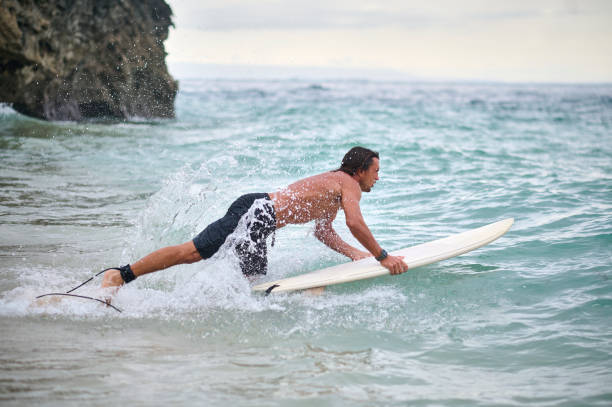
Paddling out in the dawn patrol is a different kind of meditation. The water is still holding the chill of the night, and the first few strokes cut through a flat calm that won’t last. You sit on your board, alone or with a handful of other frothers, staring into the growing light. The swell starts to pick up, and you feel it before you see it—a low hum that vibrates through your fins, a gentle lift as the ocean breathes. Then a set appears on the horizon, dark and clean, and every single person in the lineup starts to move, hearts pounding, breath quickening. The frothing turns into action.
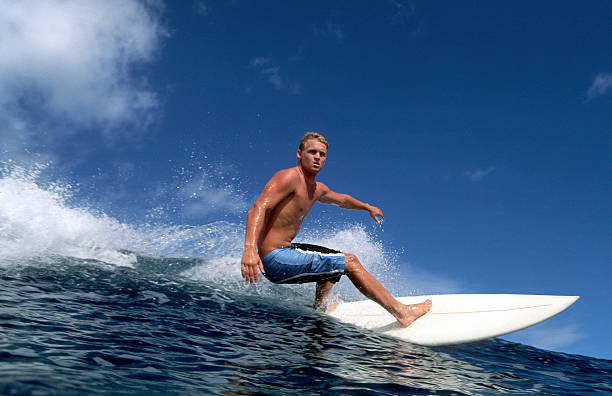
There is nothing that captures the essence of this kind of excitement quite like the first wave of the dawn patrol. You stroke into it, feeling the board lock into the face, and the world falls away. The cold water rushes past, the wind off the land keeps the wave’s face smooth as glass, and for a few seconds you are flying in a dimension where only you and the ocean exist. That drop, that bottom turn, that moment of pure flow—it’s the payoff for the early alarm, the shivering drive, the creeping anxiety of wondering if the swell will hold. And when you kick out and paddle back to the lineup, the sun is finally cresting the horizon, and the light hits the water like a golden blessing. You are absolutely frothing for the next set.
The dawn patrol is more than just a session; it’s a lifestyle that feeds the obsession. It’s about understanding that the best waves often come at the cost of sleep, that the frothing excitement is a fuel that propels you out of bed and into the elements. It’s about sharing that quiet energy with a small crew who get it, who nod at you as you take off on a bomb, who laugh when you come up hooting and gasping for air. The language of frothing is universal in surfing—that uncontrollable stoke that tightens your chest and makes you grin like a maniac—but the dawn patrol is its purest expression. It’s the moment when the ocean gifts you a wave that no one else has ridden yet, a fresh track on a canvas of water, and you leave your mark with a feeling so intense it carries you through the rest of the day. So when you see those lines on the forecast, when you feel that familiar itch, do yourself a favor: set the alarm, miss the sunrise from bed, and paddle out. The frothing will take care of the rest.