Surf Icons & Heroes

•

Live Surf Cams

Surfline Live is a 24/7 glimpse into the world’s surf.

This stream moves through Surfline’s global camera network, showing spots where it’s daylight and rated Fair or better.

What’s The Deal With…?

Surf Icons & Heroes

True watermen and heroes protect what they love. Many icons run foundations for ocean conservation, like cleaning beaches and protecting reefs. They do free surf clinics for groms, passing on stoke and safety. After a cyclone or fire, you’ll see crews mobilizing to help affected communities. It’s about respecting the ‘aina (land) and the people. Whether it’s through environmental activism, charity events, or just mentoring the next generation, giving back is a huge part of the culture’s soul.

A soul surfer is all about the pure connection with the ocean, not the contest jersey. It’s riding for the feeling, not the fame. Think of someone who logs miles on a single-fin, knows every ripple of their home break, and finds joy in a small, glassy morning. They respect the sea and the culture, often leaving the crowd for quieter waves. Style is everything—smooth, effortless, and expressive. It’s a mindset: surfing is about the journey and the glide, not just the trophy.

Bruce Brown’s 1966 film is the ultimate surf flick that captured the dream. It followed two friends, Mike Hynson and Robert August, chasing the perfect wave around the globe, literally following summer. It wasn’t about competition; it was about adventure, discovery, and the simple joy of finding uncrowded waves. It introduced surfing’s nomadic, sun-chasing spirit to the mainstream and made Cape St. Francis in South Africa legendary. The film defined the surf travel ethos—that the perfect, empty wave is out there waiting if you’re willing to search.

Surf Icons & Heroes

Your local break is your anchor. It’s where you learn the rhythm of the sea, earn your stripes, and become part of a crew. These spots have their own unique vibe, rules, and history—they’re the heart of grassroots surfing. Protecting them from overcrowding or pollution is a constant battle. They’re where friendships are forged at dawn and where you pay your dues. While chasing swells is epic, your home break is where you truly belong; it’s your foundation in the surfing world.

In the late ’60s, boards went from heavy 10-foot logs to light, short, high-performance sticks almost overnight. This wasn’t just an equipment change; it was a cultural quake. Surfers like Bob McTavish and Nat Young could now attack the wave with radical new maneuvers—sharp turns, cutbacks, and tube rides became possible. It shifted surfing from a graceful glide to a dynamic, athletic dance. The entire vibe became more youthful, progressive, and explosive, paving the way for the modern, ripping style we see in every lineup today.

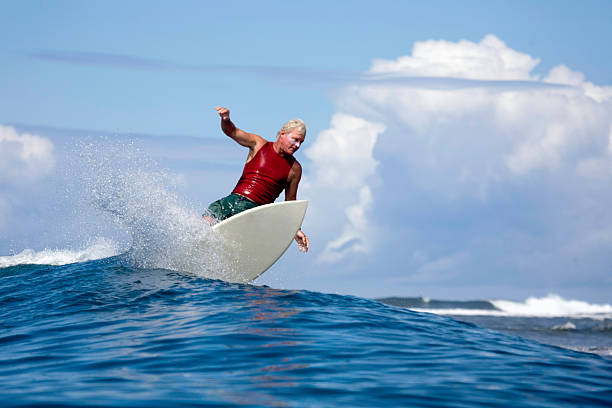
These are the watermen and women who stare down mountains of water. Legends like Greg Noll at Makaha in the ’60s showed it could be done. Then Laird Hamilton, Darrick Doerner, and Buzzy Kerbox pioneered tow-in surfing at Jaws, unlocking waves once thought unrideable. Today, chargers like Kai Lenny and Justine Dupont push the limits further with incredible water safety and tech. It’s a special breed, mixing insane courage, ocean knowledge, and athleticism to ride the planet’s most powerful energy.