There’s a phrase that reverberates through the lineup at Waimea Bay whenever the sets start stacking up and the channel gets hairy. “Eddie would go.” Three words that carry more weight than any board or fin setup. They aren’t just about dropping into a sixty-foot wave. They’re about the kind of guts that doesn’t flinch when the ocean decides to teach you a lesson. Eddie Aikau wasn’t just a big wave surfer. He was the man who showed the world what it means to paddle in when everyone else is paddling out.
Eddie was born on Maui in 1946, but his soul belonged to the North Shore of Oahu. From the moment he first slid into the water, he had a natural grace that made the biggest lumps at Waimea look like ankle-biters. Back then, tow-in surfing didn’t exist. If you wanted to ride a wave the size of a house, you had to paddle. And Eddie paddled like he was born with webbed hands. He became the first official lifeguard at Waimea Bay, a gig that required a borderline supernatural understanding of the ocean. During his time on the job, he saved hundreds of people—swimmers, tourists, even other surfers who bit off more than they could chew. He never charged a dime. That’s just how he was.
The mantra “Eddie would go” didn’t come from a marketing campaign. It came from a real moment. In the late 1970s, a crew of North Shore heavyweights sat around watching a massive swell pound Waimea. Everyone was hesitant. The waves were gnarly, unpredictable, the kind of day where even the bravest had second thoughts. Somebody said, “If Eddie was here, he’d go.” And they weren’t wrong. Eddie had this quiet confidence that wasn’t about showing off. It was about respect. He trusted the ocean, and the ocean trusted him back.
Eddie’s record on big waves speaks for itself. He won the 1977 Duke Kahanamoku Invitational Surfing Championship, but his real trophy was the way he handled the heaviest surf on the planet. He didn’t just survive those waves. He made them look smooth. His style was all flow—no panic, no jerky turns, just a pure line that followed the wave’s energy. When he rode a monster at Waimea, it was like watching a dancer with a perfect partner. No force, just harmony.
But Eddie’s legend isn’t confined to the surf zone. In 1978, he joined the crew of the Hōkūleʻa, a traditional Polynesian voyaging canoe bound for Tahiti. The goal was to recreate ancient Hawaiian navigation without modern instruments. Mid-journey, the canoe capsized in a storm hundreds of miles from land. Eddie volunteered to paddle his surfboard for help. He knew the risks. The water was cold, the swells were relentless, and the nearest island was a long shot. But that was Eddie—always willing to take the risk if it meant helping his friends. He was never found. His body remains out there with the deep blue that he loved so much.
That sacrifice cemented his status as more than a surfer. He became a symbol of the aloha spirit in its purest form: selflessness, courage, and an unwavering connection to the ocean. Today, the Eddie Aikau Big Wave Invitational stands as the most prestigious big wave contest on Earth. It doesn’t run every year. The swell has to be big enough—minimum twenty feet at Waimea, with faces pushing forty or fifty. When the call comes, the world’s best paddle surfers drop everything and fly in. They know they’re not just competing for a trophy. They’re honoring a man who defined what it means to go.
What makes Eddie’s story so enduring isn’t the size of the waves he rode. Plenty of guys have ridden bigger. What sticks is his attitude. He never bragged. He never acted like he was better than anyone. He just showed up, did his job, and lived with a kind of pure gratitude that’s rare in any era. In a sport that sometimes gets caught up in ego and Instagram hype, Eddie’s legacy is a reminder that the most radical thing you can do is be real.
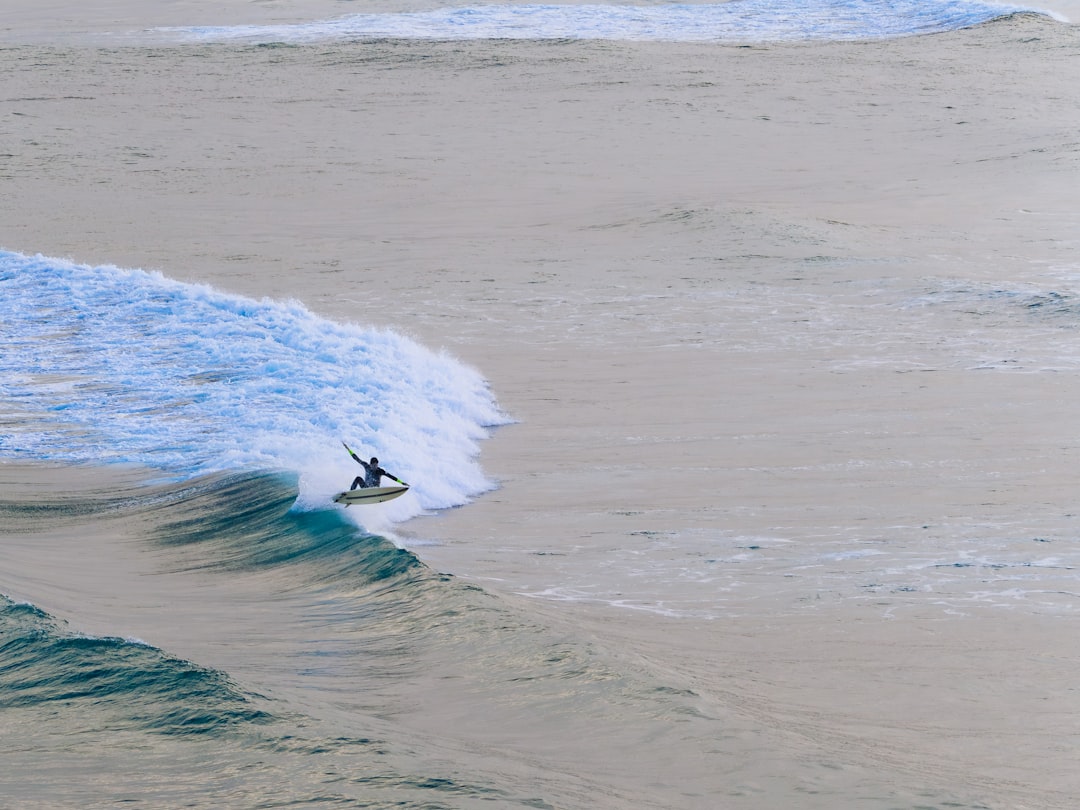
The North Shore has changed since the seventies. Jet skis, gun boards, and big wave helmets are the norm now. But the soul of what Eddie stood for remains exactly the same. When you see a swell pulse through Waimea and a lone surfer drops into a beast with only their arms and guts, that’s Eddie’s echo. It’s a guy or girl who knows that the ocean doesn’t care about your reputation. It only cares about your heart.
So next time you paddle out on a day when the waves are talking trash, think about Eddie. Let his spirit settle into your stroke. And if the moment comes where fear whispers in your ear, remember the three words that still echo across the bay: Eddie would go.