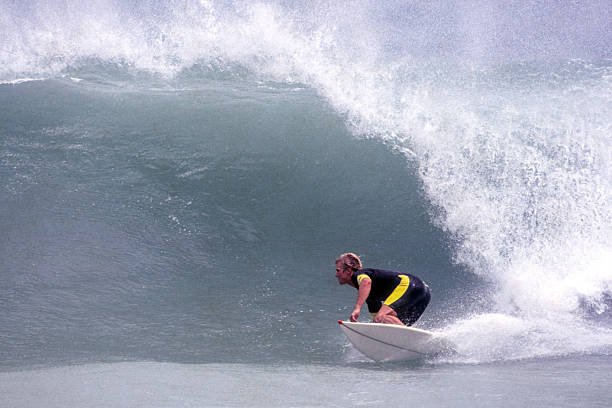
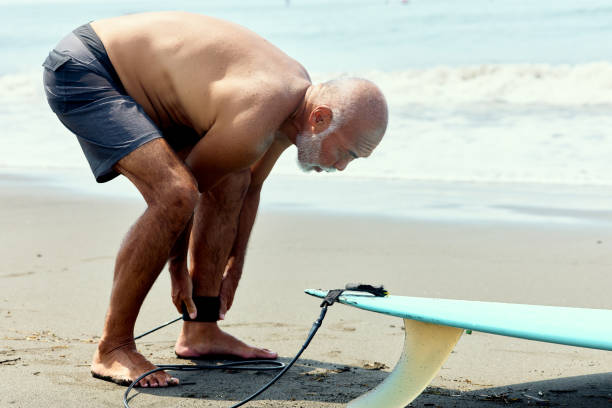
You ever paddle out into a set that looks more like a washing machine than a wave, and that little voice in your head starts whispering, maybe not today? That’s the boneyard. Layne Beachley, the queen of the waves, didn’t just surf past that boneyard—she made it her home reef, learned every crack and crevice, and used it to launch seven world titles. Most folks see the trophies and the cover shots, the glassy waves and the victory smiles, but the real story of Layne Beachley is the story of getting absolutely pounded and still paddling back out. It’s a lesson for every surfer who’s ever taken a beating in the shorebreak and wondered if they had what it takes.
Layne didn’t start out as a natural. She was a kid from Sydney who fell in love with the ocean, but she didn’t have the silver-spoon lineup access of some pros. She had grit, and she had a burning desire to prove that women could charge just as hard as the guys. In the early ’90s, the women’s tour was still fighting for respect, for prize money, for waves at the same breaks. Layne didn’t complain. She just paddled out at Pipe and Backdoor when most women were sticking to point breaks. She took her lumps. She got held down, got gashed on reef, broke her back twice—literally, her back—and still came back swinging. That’s not just tough; that’s a different kind of stoke. It’s the kind that comes from knowing that fear is just a wave you haven’t figured out how to ride yet.
Her philosophy is simple but brutal: embrace the fear, greet it like an old friend, and then drop in anyway. She called that mental space the boneyard—the dark, lonely place where doubt, pain, and exhaustion hang out. Most people run from it. Layne sat down in the boneyard, had a chat with those demons, and asked them what they were trying to teach her. And they taught her a lot. They taught her that a broken back—suffered in 2004, after she’d already won multiple world titles—wasn’t the end of her surfing, just the start of a new chapter. She rehabbed like a beast, rededicated herself to the sport, and clinched her seventh world title in 2006, becoming the most decorated female surfer in history. That comeback was pure surf poetry: the fall, the fight, the foam at the end. It’s the kind of story that makes you want to grab your board and paddle out even when the forecast says six-foot and closing out.
But Layne’s legacy isn’t just about her own waves. She’s been a massive force for the next generation, using her platform to mentor young surfers, especially women, to believe in their own power. She’s the reason girls today can compete at Pipeline without someone asking if they should stick to the small stuff. She’s the reason the women’s tour has parity in wave selection at some of the world’s heaviest breaks. She didn’t just break a glass ceiling—she turned the whole lineup into a welcoming beach for everyone who wants to charge. Her energy is contagious. When you hear her talk about surfing, about facing that next set wave with a grin, you feel the salt spray in your bones.
And here’s the beautiful thing: Layne Beachley didn’t conquer the boneyard by being fearless. She conquered it by being afraid and doing it anyway. That’s the raw, real stoke of surfing. It’s not about never wiping out; it’s about the way you kick out, shake off the water, and paddle back to the peak. It’s about the friends you make in the lineup, the moments when you’re just sitting on your board waiting for the next set, and the absolute joy of a perfect bottom turn when everything clicks.
So next time you’re out there and the wind’s onshore and the sets are stacking up and that little voice starts whispering, remember Layne. Paddle harder. Find your boneyard, give it a nod, and drop in. The wave might break your heart, but it might also give you the ride of your life. That’s the queen’s lesson—and it’s for every surfer, anywhere, who’s ever felt the pull of a perfect wave and the weight of their own fear. The ocean is waiting. Just go.