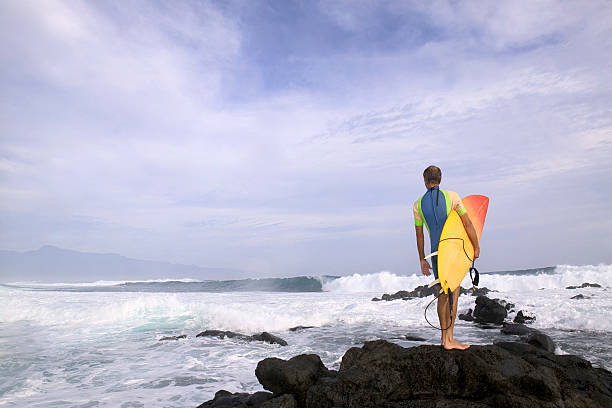
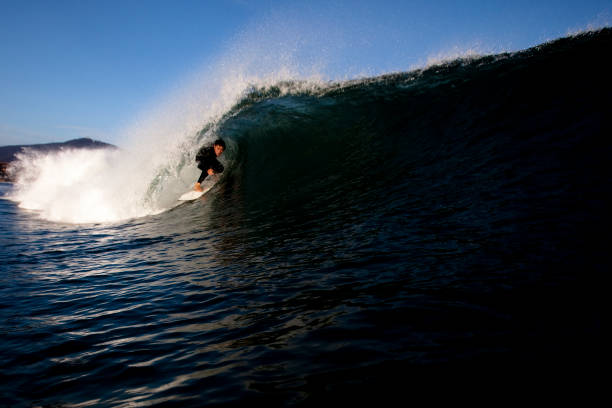
There’s a certain kind of swell that doesn’t show up on the forecast. It rolls in from somewhere deep, beyond the horizon of what anyone expects, and it carries a force that reshapes the lineup. That’s the kind of wave Bethany Hamilton caught when she was just thirteen—not the wave that took her arm, but the one she took in return. Her story isn’t just about surviving a tiger shark attack off Kauai’s North Shore. It’s about what happens after the wipeout: how you paddle back out, how you read the ocean with one arm, and how you redefine what it means to be unstoppable in a sport that demands two hands on the rail.
The morning of October 31, 2003, started like any other dawn patrol for Bethany. She was out with her best friend Alana Blanchard and a few others, sitting in the warm Hawaiian lineup, waiting for a clean set. Then the water went red. The shark took her left arm clean off at the shoulder, and in that instant, the world of competitive surfing seemed impossible. Doctors said she’d probably never surf again at a high level. But they don’t know the ocean the way a surfer does. They don’t understand that the real power isn’t in the number of limbs you have but in the way you read the wave’s face, the timing of your pop-up, the feeling of the rail digging in when you drive through a bottom turn.
Bethany was back on a board within a month. Not because she was reckless—she was determined. She learned to paddle with one arm, using a custom board with a handle and a slightly thicker outline for extra stability. The first few sessions were rough: she’d fall, eat foam, get tossed in the whitewash. But surfers know that every wipeout is just another lesson written in saltwater. She adapted her pop-up by pushing off the board with her right palm and kicking her back foot into position, a move that looked awkward at first but soon became as smooth as a tradewind breeze. Within two years, she won her first national title. That was just the start.
What makes Bethany Hamilton an icon isn’t just the comeback—it’s the way she kept chasing the same dream she had before the attack. She didn’t switch to longboarding or retire to a beach shack. She went straight for the heaviest waves on the circuit: Pipeline, Teahupo’o, Jaws. She surfed the North Shore’s winter swells with the same abandon as any two-armed charger, taking off on bombs that would make most surfers hesitate. At Pipeline, she learned to duck dive by using her body weight and a quick kick—not a perfect technique, but one that got her under the lip. At Jaws, she towed in behind a jet ski, holding on with one hand while the wave’s face stretched like a glassy mountain. People called her an inspiration; she just called it surfing.
The deeper lesson is about mindset. Bethany talks about her faith a lot, and that’s part of it—a kind of spiritual glide that keeps her centered even when the ocean throws a closeout. But there’s also a raw, surfer’s pragmatism: you deal with what’s in front of you. You don’t look back at the set that passed; you paddle for the next one. That philosophy carried her through a professional career that included multiple World Surf League events, a top-five finish at the Pipe Masters, and a feature film about her life. She also started her own foundation, “Friends of Bethany,” to support other amputees and shark attack survivors, proving that the stoke is best shared.
In the lineup, Bethany’s presence changes the energy. Young groms see her and realize that limits are mostly made of fear, not fact. Old salts nod with respect because they know how hard it is to paddle into an eight-foot wave with one arm and still pull into a barrel. She’s not a novelty act; she’s a real surfer who happens to have a remarkable story. And she keeps surfing. That’s the key—she never hung up her leash. She’s still out there, paddling for waves, chasing the same endless summer that the rest of us dream about. That’s the definition of unstoppable spirit: not a single moment of triumph, but a lifetime of paddling back out.