Surf History & Legends

•

Live Surf Cams

Surfline Live is a 24/7 glimpse into the world’s surf.

This stream moves through Surfline’s global camera network, showing spots where it’s daylight and rated Fair or better.

What’s The Deal With…?

Surf History & Legends
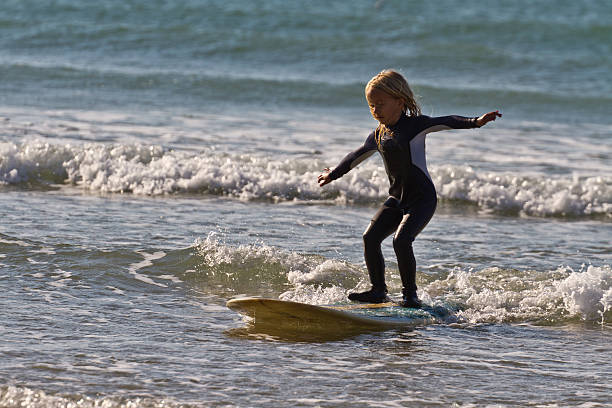
Before wetsuits, cold water meant a very short session or no session at all. Jack O’Neill’s invention in the 1950s, using neoprene, literally opened up oceans. Suddenly, breaks in chilly California, the UK, and beyond became year-round playgrounds. It expanded the surf map massively, letting surfers push into colder frontiers and spend more time in the water to progress. A total game-changer.

Duke was a Hawaiian Olympic swimmer who single-handedly spread stoke globally. In the early 1900s, he gave mind-blowing demos in places like California and Australia, using his massive 16-foot, 114-pound solid wood alaia. He showed the world that surfing wasn’t just a pastime, but a soulful art form. His legendary aloha spirit and sheer skill planted the seed for our entire global tribe. No Duke, no scene—simple as that. He’s the original waterman we all tip our hats to.

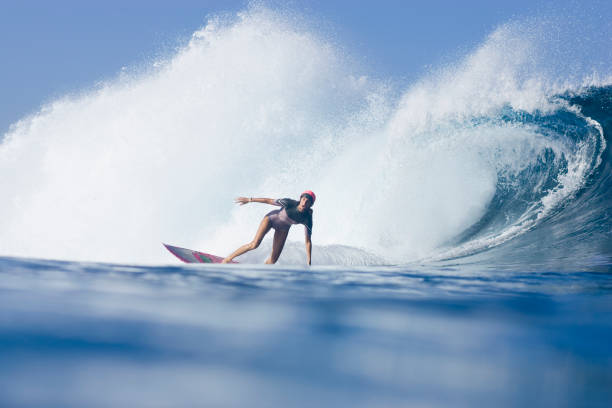
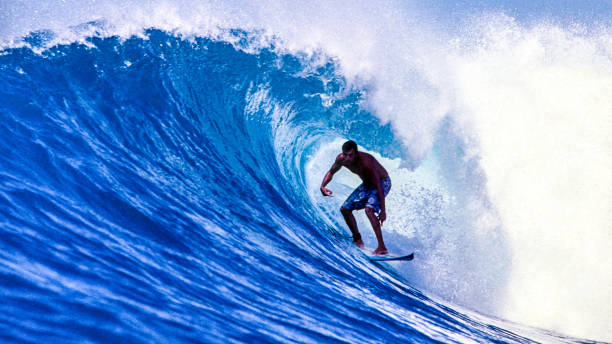
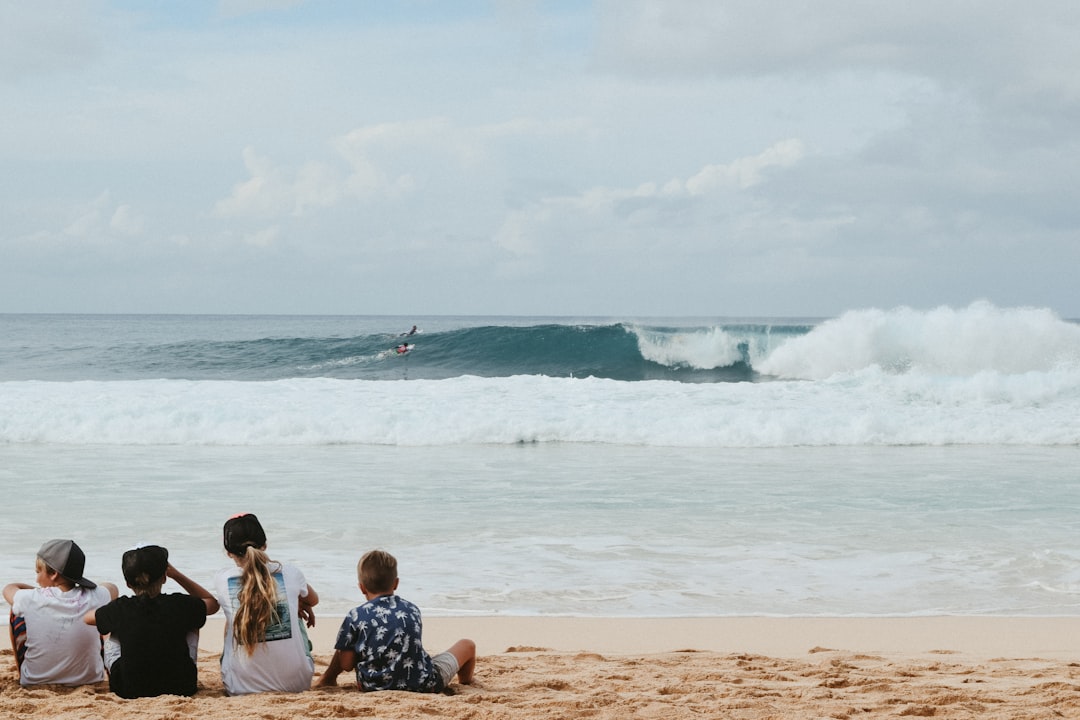
Pipeline on Oahu’s North Shore is the ultimate proving ground. It’s arguably the world’s most famous and dangerous wave, a thick, hollow barrel breaking over a shallow reef. Charging “Pipe” separates the legends from the rest. Mastering it requires equal parts insane skill and courage. Winning a contest here, like the Pipe Masters, is a crowning achievement in any pro surfer’s career. It’s surfing’s coliseum.

Surf History & Legends
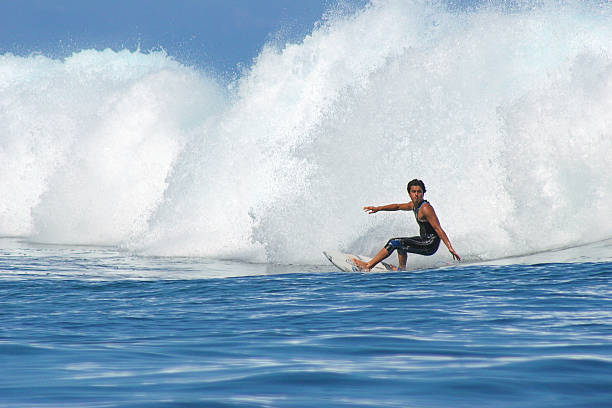
This refers to the long fight for equality in the lineup and in competition. Pioneers like Lisa Andersen in the ’90s shattered stereotypes, proving women could charge with power and style. The push for equal prize money and recognition hit major milestones, with modern chargers like Carissa Moore and Stephanie Gilmore dominating and inspiring. It’s about respect and proving stoke has no gender.

Miki “Da Cat” Dora was the ultimate anti-here and soul surfer of Malibu’s golden era. Famous for his flawless style and disdain for the growing surf industry, he became a symbol of pure, rebellious surfing. His legacy is one of incredible skill mixed with a fierce desire to keep surfing free from commercialism. He’s the icon for anyone who surfs for the feeling, not the fame.

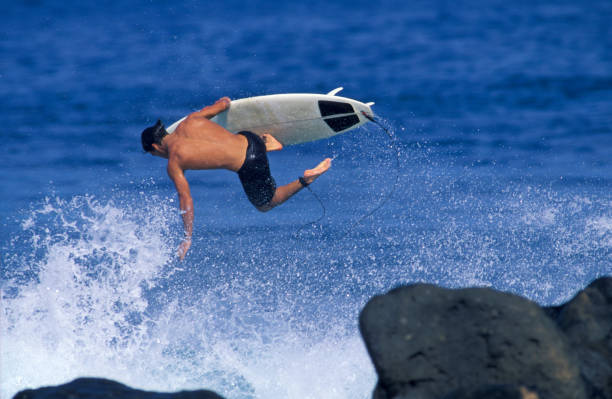
In the late ’60s, surfers chopped their long, heavy logs into short, light “shortboards.“ This wasn’t just a gear change; it was a total mind-shift. Suddenly, you could attack the wave with radical new maneuvers—sharp turns, cutbacks, and getting pitted in the pocket. It shifted the focus from graceful nose-riding to high-performance, vertical surfing, which is the foundation for how most people ride today.