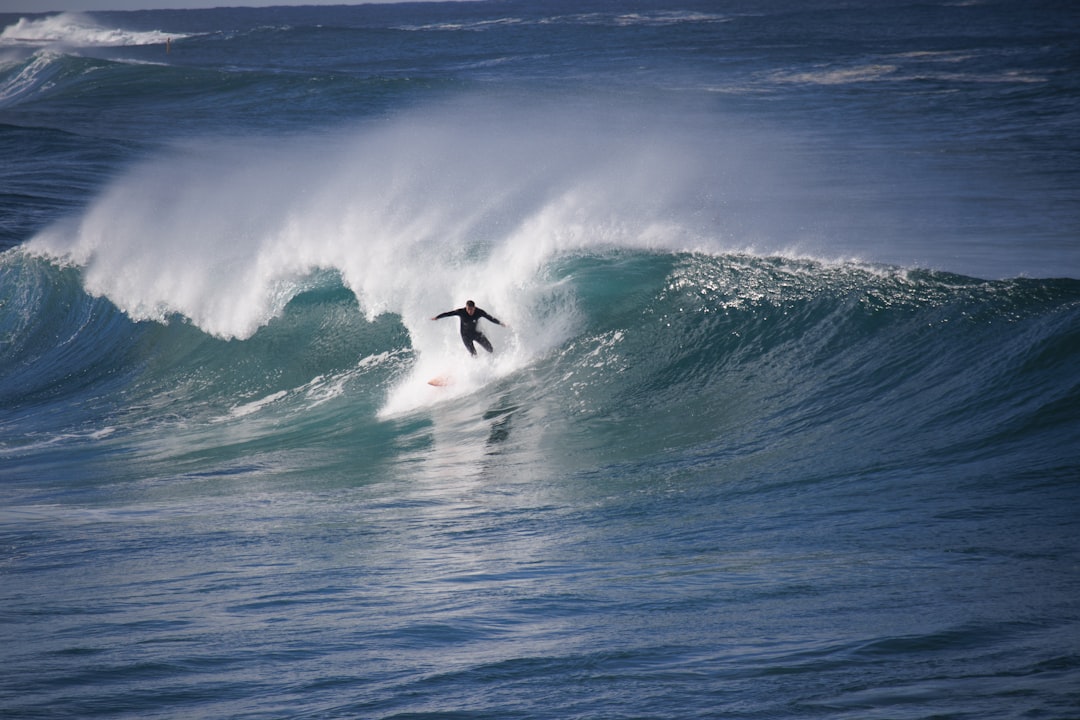
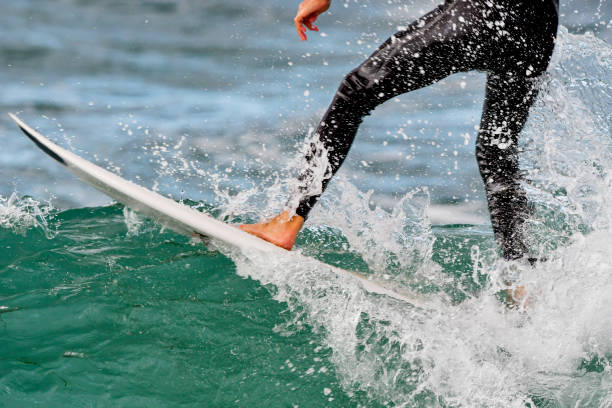
Out there on the edge of the Indian Ocean, where the Roaring Forties hurl their tantrums at a continent of red dirt and ancient rock, sits a wave that don’t just break—it detonates. The Right, huddled down near the southwestern tip of Australia in a stretch of coastline they call the Margaret River region, is a wave that has earned its place in the hall of iconic surf spots not through gentle persuasion but through raw, unforgiving power. It’s a spot that separates the frothing grom from the seasoned charger, and its story is woven into the very fabric of big wave lore.
Long before the internet turned every slab into a viral sensation, the locals knew. The old-timers would trade tales over campfires and tinnies, whispering about a place where the swell from the Southern Ocean ramped off an underwater reef and stood up so fast it seemed to defy physics. It wasn’t until the late twentieth century that the secret truly crept out, and when it did, the wave earned a reputation that sent shivers down the spines of even the most gnarled veterans. The Right is not a wave you simply paddle into on a whim. It demands respect, an intimate knowledge of its moods, and a willingness to stare down a moving mountain of water that can fold over your head with the weight of a freight train.
What makes this spot so iconic through the lens of history is that it represents the ultimate evolution of the surfer’s search. The Endless Summer boys were chasing peelers and point breaks, for sure. They wanted that perfect, rideable wall that would let them cruise for minutes on end. The Right is the opposite side of that coin. It is the dark, heavy, treacherous foil to the playful beachbreak. It is the place where the quest for the perfect wave becomes a test of survival. When the big groundswells push through during the winter months, the wave jacks up out of deep water and bends around the reef, creating a barrel that is both impossibly fast and terrifyingly shallow. The lip throws out like a concrete canopy, and the only sound you hear before the freight train slams shut is a low, guttural roar that feels like it rattles your bones.
This wave carved its name into the history books by hosting the first ever Quiksilver Big Wave Event in 1999. That contest was a watershed moment. It legitimized big wave surfing as a sport in its own right, moving it out of the shadows of rogue chargers like Greg Noll and into the arena of professional competition. Surfers from all over the globe—Hawaii, California, Brazil, France—answered the siren call. They arrived with guns under their arms, jet skis humming on the horizon, and eyes wide with the blend of fear and stoke that only a truly dangerous wave can conjure. The Right delivered. It handed out beatdowns like party favors, sending men and women to the hospital and, at times, to the brink.
But the legend of The Right isn’t just about the hairiest, heaviest days. It’s about the crew. The lifeguards and tow-in specialists who patrol that stretch of coast deserve a monument of their own. They have pulled surfers from the clutches of a relentless hold-down, from the dark silence beneath the turbulence. The bond forged in the lineup at The Right is tighter than a leash on a twelve-foot day. You don’t go there looking for a surf trip where you’ll get uncrowded waves and a tan. You go there looking for a part of yourself. You go to see what you are made of when the set of the season rears up on the horizon and the only option is to commit fully, to drop into a vertical wall of doom, and to pray that the ocean grants you passage.
Today, the spot remains a pilgrimage site for the true believers. The technology has changed—the boards are lighter, the leashes are stronger, the jet ski operations are more sophisticated. But the wave itself has not softened one bit. It is a timeless monument to the raw spirit of surfing. It reminds us that while the endless search for sun and perfect peelers is a beautiful dream, the deepest stoke often lies in the darkest, heaviest corners of the ocean. The Right is not a tourist stop. It is a proving ground, a shrine to the belief that there is always a bigger wave, a heavier slab, a deeper barrel waiting for the surfer who is willing to chase the swell to its most wild and lonely edge. That is why it will always be an icon, etched into the lore of the sport like a scar you wear proudly.