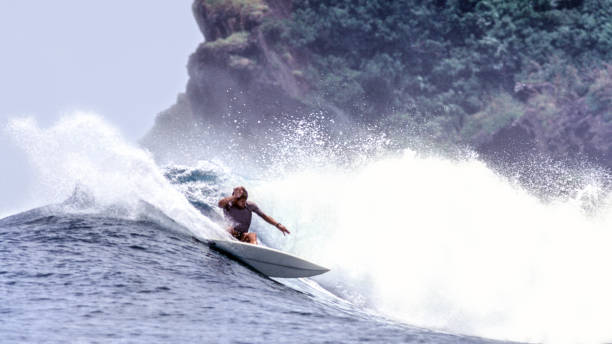
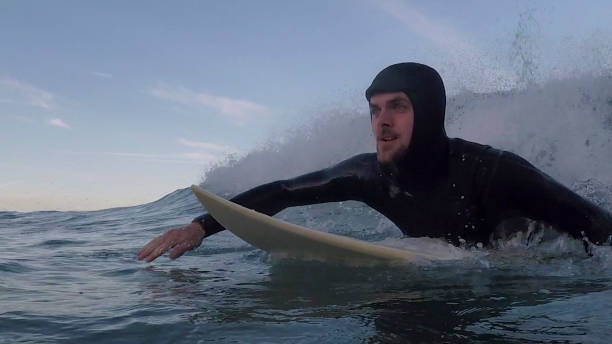
Let’s cut straight to the chase. In the world of surfing, the board isn’t just a piece of equipment; it’s your partner, your magic carpet, your ultimate ride. It’s the single most critical piece of gear you’ll ever own, the difference between a soul-stoking glide and a frustrating session of fighting your own stick. Choosing the right one isn’t about following trends—it’s about finding the key that unlocks the ocean for you.
Forget the marketing fluff. A surfboard is a tool, and like any good tool, its design dictates its job. It all starts with the shape. The outline, the rocker (that curve from nose to tail), the rails (the edges), and the bottom contours—these aren’t just fancy terms. They’re the DNA of how a board will perform. A long, heavy log with a single fin and a flat rocker is built for cruising, for that classic nose-riding trim on a mellow point break. It’s about style and flow, not radical turns. On the flip side, a short, high-performance thruster—that’s your standard three-fin setup—with plenty of rocker is a different beast entirely. It’s built for punchy beach breaks, for driving down the line and snapping off the lip. It’s reactive, it’s lively, and it demands a more aggressive approach.
But here’s the real talk: the biggest mistake a surfer can make is riding the wrong board for their ability or the conditions. Grabbing a wafer-thin, high-performance shortboard because your favorite pro rides one is a surefire way to spend more time paddling and pearling than actually surfing. You need a board with enough foam and a friendly shape to match your skill level. That’s not a knock; it’s just smart. A board with more volume gets you into waves earlier, paddles faster, and offers more stability. It’s the ticket to more waves, more practice, and more progression. As you get dialed, you can start sizing down and experimenting with more refined shapes.
And let’s talk about the business end: the fins. These aren’t just plastic accessories; they’re your steering and your hold. A single fin offers a smooth, drawn-out turn, a feeling of pure glide. A twin-fin setup is all about speed and skatey looseness, perfect for down-the-line flow. The thruster—three fins—is the gold standard for a reason. It gives you that perfect blend of drive, control, and the ability to push your turns. Swapping fins is the cheapest way to tweak the feel of your board without buying a new one. Stiffer fins for more hold in powerful surf, more flexible ones for a looser feel in smaller waves.
So, how do you find your ultimate ride? It’s a mix of honest self-assessment and understanding your local break. Are you a weekend warrior at a mushy beach break? A groveler board—wider, thicker, with plenty of volume—will be your best friend. Chasing overhead barrels at a reef pass? You’ll want that step-up board: a bit longer, a bit narrower, with extra rocker to handle the drop and the power.
In the end, the search for the perfect board is a lifelong journey, a core part of the surfing life. It’s about the connection between you, your craft, and the energy of the ocean. It’s about that moment when you stop thinking about the board and just feel it working beneath you, becoming an extension of your own intention. That’s the magic. That’s when you know you’ve found your ultimate ride. Now get out there, do your research, talk to your local shaper, and get a board that’ll have you chasing that feeling from dawn patrol until the last light fades.