Surf Gear Essentials: Your Foundation for the Lineup

Forget the flashy extras and the latest fads. Getting into the water and actually catching waves comes down to a few core pieces of gear. This isn’t about having the coolest logo on the beach; it’s about having the right tools for the job so you can focus on the stoke, not on your gear failing you. Whether you’re a fresh-faced grom or a salty dog, your essentials are the foundation of every session.

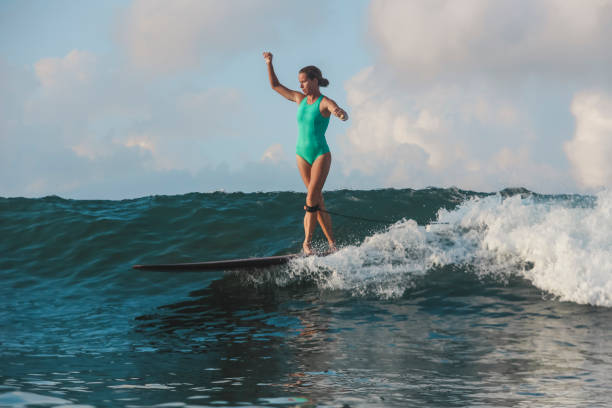
It all starts with your stick, your board. Choosing the right one is an art in itself, but the essential truth is this: it has to match your ability and the waves you’re chasing. A high-performance shortboard might look slick, but if you’re still finding your feet, you’ll have more success and more fun on a bigger, more forgiving board like a funboard or a longboard. Think of it as your vehicle. You wouldn’t take a Formula One car on a dirt road. Once you’ve got your board, you need to connect it to you. That’s where your leash comes in. This coiled umbilical cord is a non-negotiable piece of safety gear. It keeps your board from becoming a dangerous projectile for others in the lineup after a wipeout, and it saves you a long, exhausting swim back to shore. Get one that’s the right length for your board—roughly the same size as your stick—and check it regularly for wear. A snapped leash is a surefire way to ruin a session.

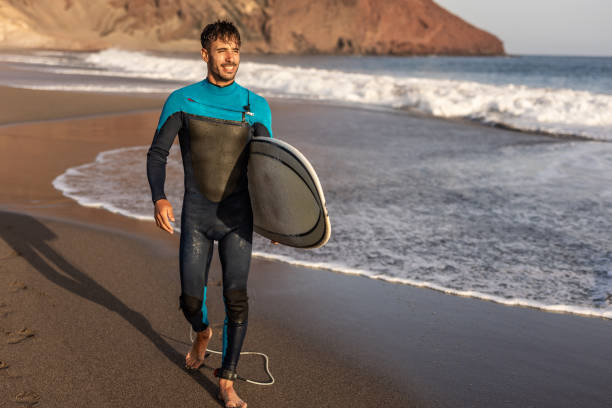
Next up is what keeps you warm and afloat: your wetsuit. Unless you’re blessed with year-round tropical water, this is your second skin. The thickness, measured in millimeters, is key. A 3/2mm full suit is a classic for cooler water, while a spring suit or just boardshorts and a rashguard will do for warmer climates. A good wetsuit should fit like a firm hug—too tight and you can’t breathe or paddle, too loose and it’ll flush with cold water constantly. And speaking of rashguards, don’t sleep on them, even in the tropics. They protect your torso from board rash during those long paddle sessions and from the sun, which is a relentless force when you’re out there chasing peaks.

Your connection to the board is through your feet, so wax is a fundamental. Rubbing a base coat and then a top coat appropriate for your water temperature creates the traction you need to pop up and stay on your board. No wax means slipping and sliding, and that means no rides. For a more permanent solution, traction pads are great, but a good old-fashioned wax job never fails. Finally, you need to get your board to the beach. A set of roof racks or a simple board bag for travel is crucial. Throwing your prized stick in the back of a truck or on top of a car without proper protection is a recipe for dings and heartbreak.

So, before you worry about the latest fin set-up or a high-tech GPS watch, dial in these fundamentals. A suitable board, a reliable leash, the right rubber for warmth, something to protect your skin, and the traction to stick to your craft. With this core quiver sorted, you’re free to focus on the important stuff: reading the swell, feeling the drop, and getting shacked. The rest is just details. Now go get wet.
Related Posts

Live Surf Cams

Surfline Live is a 24/7 glimpse into the world’s surf.

This stream moves through Surfline's global camera network, showing spots where it’s daylight and rated Fair or better.

What's The Deal With...?

Surfboard Evolution

Why would I ride a fish instead of my standard shortboard?

When the waves are small, weak, or mushy, your high-performance shortboard can feel like a lead weight. That’s when a fish shines! Its wide, flat, and twin-fin design creates insane speed and drive in sections where other boards stall. You’ll be connecting waves you used to watch roll by, generating your own speed for little snaps and carves. It’s a game-changer for summer slop or fat days, turning a mediocre surf into a grin-inducing glide fest.

What’s the deal with all these weird-looking boards I’m seeing lately?

Dude, the fun shape revolution is all about getting back to the pure joy of surfing. These boards—like eggs, fishes, and mid-lengths—are less about high-performance ripping and more about smooth, flowing turns and catching anything that moves. They’re super forgiving, paddle like a dream, and make average waves feel like all-time. Think of them as your go-to board for a fun, no-pressure session where style trumps aggression. They’re the ultimate soul sleds.

How does sun exposure wreck my stick?

The sun is a total board killer, bro. UV rays break down the chemical bonds in the resin, making it brittle and yellow—this is called “chalking.“ A chalky board loses its strength and watertight seal. The foam inside can also get cooked, leading to delamination (where the fiberglass separates from the foam). Always throw a towel or bag over it on the beach or in the truck. A little shade goes a long way in preserving your favorite plank’s life and pop.

Surf Lingo Explained

Why is it crucial to know how your leash works?

Your leash is your lifeline to your board, which is your biggest flotation device. Knowing how to quickly grab and reel it in after a pounding can get you to the surface faster and save energy. Check the cuff and velcro regularly for wear—a snapped leash in a big swell is a serious situation. Understanding its length also helps you gauge your “wipeout radius” from your stick. It’s simple gear, but treating it right is a major safety fundamental.

How do you protect your board (and yourself) during a nasty bail?

When it’s time to eject, get clear of your sled first. Give it a solid push away from you to avoid a headshot from the fins. Then, cover your noggin with your arms and make yourself small. Go with the tumble, don’t fight it. The ocean always wins that battle. Once you feel the energy ease up, use your leash to gently reel your stick back in. A few dings are better than a trip to the doc.

What’s the key to finding better, less crowded waves?

It boils down to commitment and flexibility. Be willing to wake up early for the dawn patrol, or check that obscure spot on a tide change. Learn to read forecasts so you can be there when it turns on. Sometimes, it means a road trip or investing in a warmer wetsuit to extend your season. The best waves often require a bit more effort to get to. It’s about chasing the stoke, not just the convenience.