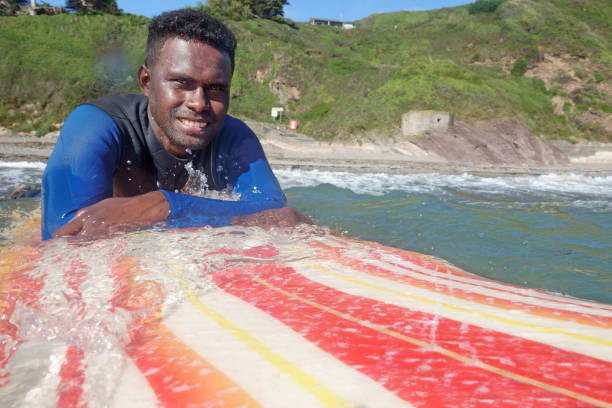
Paddle out on any given dawn patrol, and you’ll be greeted by glassy waves, a clean horizon, and the pure stoke of a new day. But beneath that sparkling surface, something is off. The lineup you call home is also home to billions of tiny plastic particles, riding the same swells you do. These microplastics are the silent, invisible menace of the modern surfing world. They’re not clogging your ears or gumming up your wax job, but they’re wreaking havoc on the ocean and, without a doubt, on us. The problem’s so widespread that no beach break is safe, no reef pass is clear, and no barrel is free of the junk we’ve dumped into the sea.
Here’s the breakdown. That plastic bottle you tossed a decade ago didn’t just vanish. It floated, sunk, got battered by waves, and slowly crumbled into ever smaller fragments. Sunlight and saltwater make plastic brittle, and the constant churn of the surf zone acts like a giant blender. Eventually, you get these shards and specks measuring less than five millimeters long—some so small they’re basically invisible to the naked eye. And because waves concentrate floating debris, your favorite break actually becomes a trap for the stuff. Sand, foam, and plastic all collect along the tide lines, meaning you’re surfign through a soup of human carelessness every single session.
That’s bad news for your health, too. When you get pitched over the falls, you swallow water. It’s part of the trade. But now you’re swallowing plastic that’s been marinating in the ocean for years. That plastic isn’t innocent—it’s like a magnet for toxic chemicals, including PCBs, DDT, and other oily pollutants that love to stick to synthetic surfaces. Some studies have found that these microplastics can leach endocrine-disrupting additives directly into organisms. And when you’re breathing in sea spray, you’re also inhaling fine plastic particles suspended in the air. For someone who spends hours in the water each week, that’s a real reason to pause before you kick out. Our bodies aren’t built to process this stuff, and scientists are just beginning to uncover the potential consequences, which range from gut inflammation to more serious systemic issues down the road.
Beyond the personal toll, the entire marine ecosystem pays the price. Fish, turtles, seabirds, and even plankton mistake microplastics for food. A stomach full of plastic means no room for nutritious prey, leading to slow starvation. And because those tiny particles move up the food chain, any fish you spear or catch for dinner brings those plastics right back to your plate. The reef itself, the living foundation of so many epic surf spots, gets smothered by plastic accumulation. Sediment and particles block the sunlight that coral polyps need to thrive. Without healthy coral, the wave breaks that rely on those reef structures start to fall apart. No reef, no hollow waves. No reef, no point breaks. It’s that simple—plastic is chipping away at the very ground beneath our boards.
But don’t go paddling back to shore with your head down. This is a fight we can still win, and surfers have a unique role to play. We’re the ones who spend the most time in the water, so we see the damage firsthand. That gives us the stoke to make a difference. Start with simple things: ditch the single-use plastic bottles and bring a metal flask instead. Skip the plastic bags for your groceries, even the ones that seem harmless. Carry a reusable container for your snacks and wax. And when you’re out in the lineup, if you spot a rogue plastic bag floating by or a bottle bobbing in the swell, grab it. Shove it in your wetsuit and bin it when you get out. Every piece you remove is one that won’t break down into a thousand more micro bits.
On a larger scale, we need to use our voice—the same voice that yells “Party wave!“ and “Lefts only!“—to call for real change. Support local bans on single-use plastics and foam takeout containers. Push for better sewage treatment that filters out synthetic fibers from our washing machines. Organize beach cleanups at your home break, and not just the annual kind. Make it a regular thing, like waxing your board before a session. Get the local surf shops involved. Spread the word while you’re hanging in the lot. The more stoked people get about protecting the ocean, the more pressure we put on companies and governments to clean up their act.
In the end, surfing is about connecting with the raw power of nature. That connection comes with a responsibility. We can’t call ourselves ocean lovers while we toss our trash without a second thought. The waves we catch today are the same waves the next generation of groms will chase tomorrow. If we want those future dawn patrols to be filled with clean, glassy sets instead of plastic soup, we need to act now. So respect the ocean like it respects you—by giving back, not dumping in. Keep your eyes peeled, your quiver tuned, and your footprint light. Because every single wave is worth it.