Some waves aren’t found on a chart. They swell up from the deep blue of memory, hold for a heartbeat, and either you take the drop or you get buried under the closeout. For Marcus Koa, the wave that mattered most didn’t break on the North Shore or the points of Indo. It broke inside his chest, every single morning for three years, rolling through his bones like a heavy, relentless six-foot shore pound. The ocean had always been his church, but when he shipped off to a war that didn’t care about the lineup, the salt and the stoke got traded for dust and gunfire. He came back with a Purple Heart, a limp that never fully healed, and an anxiety that sat on his chest like a longboard without a leash in a hurricane.
The first time he paddled back out after his tour, he almost got skunked before he even hit the water. Standing in the parking lot, waxing a stick he hadn’t touched in years, his hands shook. The sound of a truck backfiring sent him diving for cover behind a VW bus. The old Marcus would have laughed. The new Marcus just sat on the tailgate, watching the glassy morning, longing for the peace but terrified of the spark that might set off the panic. His buddy Kai, a local shaper who’d been saving a spot in the water for him, didn’t push. He just said, “No rush, brah. The ocean ain’t going anywhere.” And that was the first gift—the line, the patience, the aloha that says the wave will still be there when you’re ready.
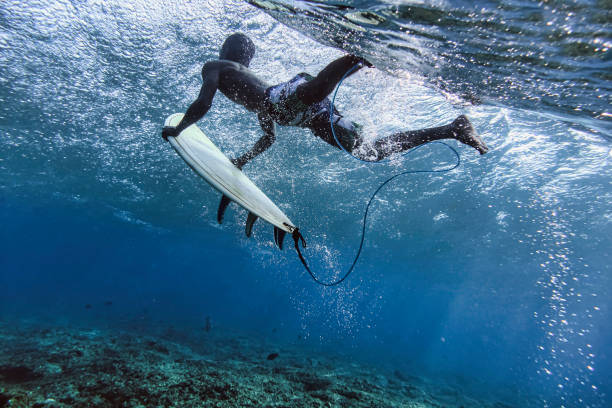
It took eleven trips back to that parking lot before Marcus actually suited up. The twelfth trip, he just walked into the shorebreak like it was any other dawn patrol. The water was cold, sixty-one degrees, and the sky was doing that bruised orange thing that happens before the sun climbs over the ridge. He belly flopped onto his old foamy, not a performance board, not even a proper glass slipper, just a beat-up eight-footer he’d used to teach his niece to pop up. The first few paddle strokes were choppy and frantic, like his shoulders had forgotten the rhythm. But then, something weird. The swell lifted him. A gentle, shoulder-high set rolled through, and the foam tried to drag him toward the beach. Instead of fighting it, he stopped. He just lay there, floating, letting the ocean rock him like a cradle.
That was the moment. He didn’t catch a wave that day. He didn’t even make it to the lineup where Kai was hooting and hollering, throwing shakas and yelling, “You’re out, brother! You’re out!” He just sat there, straddling his board, breathing with the swells, and for the first time in three years, the noise in his head quieted down. The waves didn’t fix him. They didn’t erase the nightmares or the flashes that still came without warning. But they did something better—they gave him a place to put the weight. Every surf session since has been like taking a yoga class in the glassy face of a peeling right. He still gets spooked by sudden loud noises. He still has bad days. But now he has a ritual: paddle out at dawn, sit on his board, wait for the ocean to tell him he’s still alive.
The story could end there, but the stoke is bigger than one man’s healing. Marcus started a little crew called “The Second Wave” for other vets, fellow broken-surfer types who thought their wave had passed. He didn’t want to be a teacher. He just wanted company in the water, and it turned out that’s exactly what a lot of them needed. They meet every Sunday, never plan more than a text message, and the only rule is that you have to share a wave—when you get one, you hoot someone else into the next. Some of them are missing limbs. Some carry invisible shrapnel. All of them know what it means to paddle out after a long dark night of the soul.
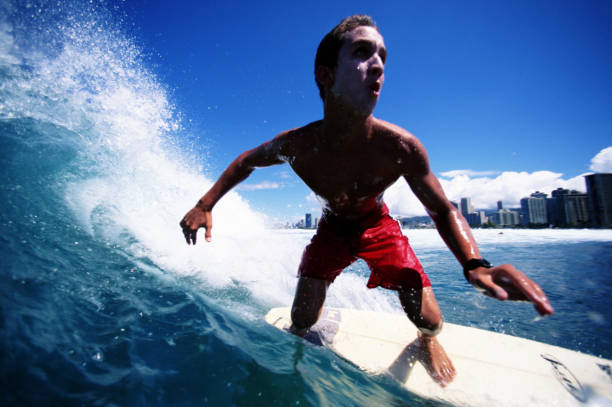
Marcus still rides his beat-up foamy, and he doesn’t care if people think he’s kooky. He says the foam gives him buoyancy for his heart. On good days, he’ll catch a glassy little crumbler and carve a bottom turn so smooth it looks like the wave itself is smiling. On bad days, he just sits in the kelp beds and lets the salt wash over the burn scars. The ocean never asks for a war story. It just lifts you up, holds you, and sets you down gently with a little more room in your chest.
So the next time you see a veteran sitting in the lineup, quiet, not surfing much, give them space. Or better yet, give them a shaka. Because every one of them is living proof that the wave that waits is the wave that heals. And as Marcus always says, when you think you’re too late for the dawn patrol, the tide always comes back around.