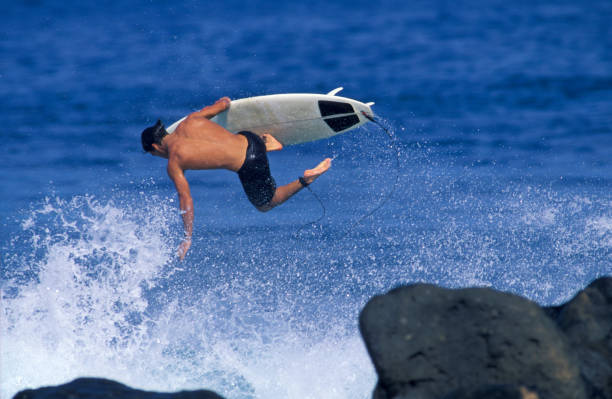
There’s a moment every surfer knows – that chill that sets in after you’ve paddled back to shore, the sun dipping low, the wind picking up. Your board’s under your arm, your wetsuit feels like a second skin that’s suddenly turned clammy. You need to get out of that rubber, but you’re standing in a parking lot full of families and tourists. Enter the surf poncho – that oversized, hooded, towel-soft cloak that lets you change in public without flashing the whole line-up. It’s not just a piece of fabric; it’s a ritual, a shield, a statement. And on the shore, looking stoked means having the right gear to transition from wave warrior to beach lounger with grace.
The surf poncho, sometimes called a changing robe or a surf robe, has roots that go deep into the core of surf culture. Before anyone thought to design these things with pockets for your wax comb and a loop for your keys, surfers used whatever was handy – a beach towel, a blanket, or the backseat of a beat-up station wagon. But as the lifestyle evolved, so did the need for convenience. The modern poncho is a masterpiece of function. Made from quick-dry microfibre or cotton-poly blends, it wicks moisture away from your skin while you wriggle out of your wetsuit. The hood keeps the wind off your wet hair, reducing that brain freeze that comes with a sudden gust. And the wide, open hem gives you room to maneuver – pulling off a steamer suit without looking like a tangled crab. Some ponchos even have a built-in towel lining that absorbs the last drips from your trunk or bikini, so you can walk to your car without leaving a trail of seawater.
But the surf poncho is more than just a utility item. It’s a canvas for personal expression. Walk down any beach from Malibu to Margaret River, and you’ll see ponchos in every color of the rainbow. Some sport classic stripes, others are tie-dyed with the psychedelic swirls of the seventies revival. Big brands like O’Neill and Patagonia make them with eco-friendly materials like recycled polyester, while small local shapers print their logos on them, turning customers into walking billboards for a surf community. The poncho says something about you. Are you a minimalist who rocks a solid grey? Or a free spirit draped in a floral print that matches your longboard’s resin art? The choice is yours, and it matters because on the shore, you’re still part of the tribe.
Then there’s the social aspect. A poncho is an invitation. When you’re standing at the beach access, wrapping yourself in its warmth, another surfer might walk by and give you a nod. “Sick poncho, brah.“ Suddenly you’re in conversation – where’d you get it? How’s the swell? It’s a conversation starter, a piece of surf culture that bridges the gap between the water and the sand. And let’s be real – it’s also a peace of mind for the modesty-conscious. No more awkward towel dances. The poncho gives you dignity, which is crucial when you’re trying to stay stoked after a beating in the shorebreak. It also keeps you warm while you sit on the sand and watch the next set roll in, saving you from the shivers that can turn a great session into a miserable exit.
But don’t think the poncho is just for post-surf. It’s equally valuable for pre-surf. Picture a dawn patrol: the air is cold, the water is inviting but the thought of stripping down makes you shiver. Throw on a poncho, and you can put your wetsuit on underneath it, keeping your core warm while you suit up. The hood keeps your head warm as you walk across the sand. Then, when you’re paddling out, you just let the poncho fall – or better, fold it neatly and place it over your board bag. It’s a low-key tool that elevates the entire surf session, making the transition from land to sea seamless.
The materials have come a long way. Early ponchos were just towels with a neck hole cut out. But today’s high-tech versions use hydrophobic fabrics that resist sand and salt, with some offering UV protection for those long beach days. Internal pockets for your phone or keys are now standard, sometimes with a waterproof sealed compartment so you can stash your valuables while you’re in the water. Others have a built-in change pocket – a hidden pouch that you can stand inside for extra privacy, perfect for crowded beaches. The best ones have a loop for your board leash or a carabiner for your keys, and some even have a magnetic closure at the front to keep it snug when the wind picks up. It’s innovation born from necessity, and it’s made the surf poncho an essential piece of shore-side apparel.
Looking stoked isn’t just about the waves you caught; it’s about how you carry yourself when you’re not in the water. The surf poncho lets you do that with style and comfort. It’s the unsung hero of the surf wardrobe, as important as your wettie or your favorite board. Next time you’re on the beach, take a moment to appreciate the poncho – the humble garment that lets you change your clothes and your vibe, all while keeping the stoke alive. So go ahead, wrap yourself in one, walk tall, and remember: on the shore, you’re still part of the endless summer.