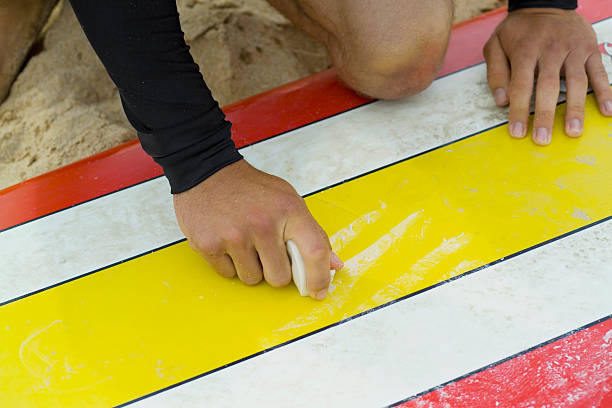
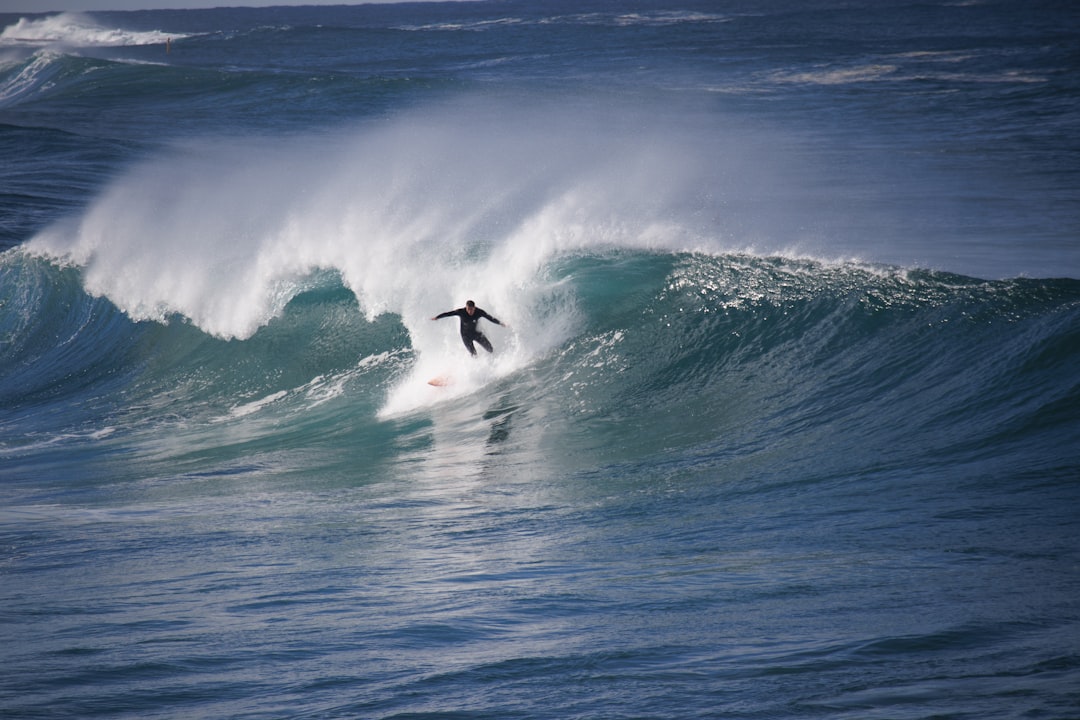
Out in the back alleys of coastal towns, where the smell of resin hangs thick and the whine of a planer cuts through the morning fog, a quiet stoke is spreading. While the big brands flood the racks with pop-out boards churned from Chinese factories, a whole tribe of shapers is keeping the soul of surfing alive one blank at a time. These craftsmen aren’t chasing IPO money or viral marketing campaigns. They’re just chasing the perfect rail curve, the right foil, the kind of magic that can’t be programmed into a CNC machine. It’s a behind-the-scenes scene that most surfers never see, but it’s the backbone of what makes this sport feel more like a religion than a retail transaction.
You cruise into a shaping bay, and it’s like stepping into a time capsule. The same tools your favorite shaper from the seventies used—sure, maybe the electric planer is a little lighter, the laser level a bit more precise—but the heart of the operation is still the human hand. A good shaper reads the foam like a guru reads a wave. They know where to take that rocker from a gentle curve to a sudden kick, how to thin out the rails so they bite into the face during a bottom turn but don’t catch when you’re sliding into a barrel. That nuance is lost when a mold spits out identical clones by the hundreds. The stoke is in the imperfection, the slight asymmetry that makes each board behave like a living thing.
Lately, this artisan approach has been getting a little more attention. The industry giants who once ruled the surf shop racks are seeing their market share erode as more surfers discover the difference between a board that was shaped with love in a one-man garage and a board that was stamped out next to patio furniture. It’s a shift that feels like the tide coming in—slow, but unstoppable. The same way the shortboard revolution of the late sixties threw out the heavy logs, this new wave is all about customization. You don’t want a board for everyone. You want your board.
And here’s the kicker: the technology behind the craftsman isn’t being left behind. Plenty of those independent shapers are blending analog skills with digital tools. They’ll scan your old favorite board, tweak the rocker on a computer, then still hand-shape the final product. It’s not about pure nostalgia. It’s about giving the surfer an edge that mass production just can’t deliver. A friend of mine, a shaper down in San Clemente, told me the other day that his business tripled last year. Not because he hired a marketing team or landed a big surf shop contract, but because word got around that his boards paddle so easy and turn so smooth that even the groms in the local lineup started asking about him.
So what’s going on in the back of the shaping bay? Just a bunch of salt-worn characters who have zero interest in the next fad fin system or the thousand-dollar wetsuit. They’re not in it for the glamour. They’re in it for the moment when a surfer comes back after a session with eyes wide and a grin that won’t quit, saying, “Dude, I don’t know what you did, but that board is alive.” That’s the payoff. That’s the stoke that keeps the planer running through the night when the surf was firing and everyone’s calling for a refill.
And the big brands are starting to notice. Some are quietly investing in small shaping collectives, trying to buy a piece of that grass-roots mojo. But the real magic happens when a surfer walks into a dusty studio, talks for an hour about their weight, their favorite break, how they like to attack a wave, and walks out with a blank that’s still curing. That connection is the antithesis of clicking “add to cart.” It’s a reminder that behind every great ride is a great shaper who never forgot that the board is just a tool for stoke, and the hands that shape it matter more than the logo on the deck.
The next time you see a board with a local tag, pick it up. Feel the subtle differences. Maybe it’s a bit heavier. Maybe the glass job has a little more flex. That’s not a flaw. That’s character. That’s the industry’s quiet revolution, happening one planer pass at a time, and the lineup is better for it.