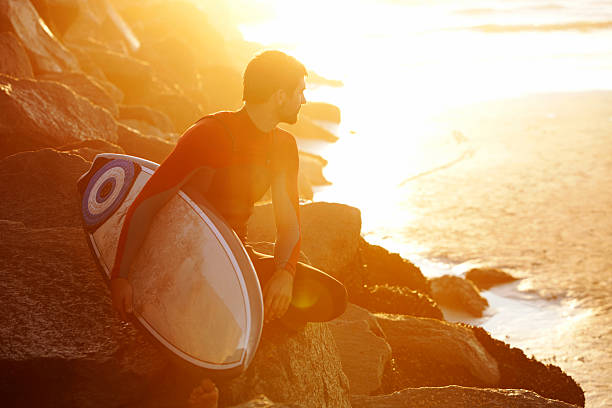
There is a moment just before the sun cracks the horizon when the world feels like it belongs to nobody. The air is cool and still, the ocean a dark slab of glass, and the only sound is the soft hiss of foam hitting the sand. It is in this hour, when most people are still tangled in their sheets, that the real surfing community is born. It is not written in any charter or posted on any forum. It is lived, wave by wave, session by session, in the parking lot and the lineup, under the same ever-changing sky.
The dawn patrol crew is a peculiar tribe. They are the ones who wake before the alarm, who know the exact minute the tide will start pushing and the wind will die down to a whisper. They are not all the same skill level. Some are gnarled old salts who have surfed that same sandbar for thirty years, their movements in the water as easy and automatic as breathing. Others are weekend warriors, freshly divorced or mid-life crisis victims, paddling out on logs that cost more than a used car. And then there are the groms, the teenagers who are either too young for a job or annoyingly dedicated enough to paddle out before school. In the parking lot, under the dim glow of a streetlight, none of that matters. What matters is the shared ritual of waxing a board, pulling on a cold wetsuit, and muttering about the forecast.
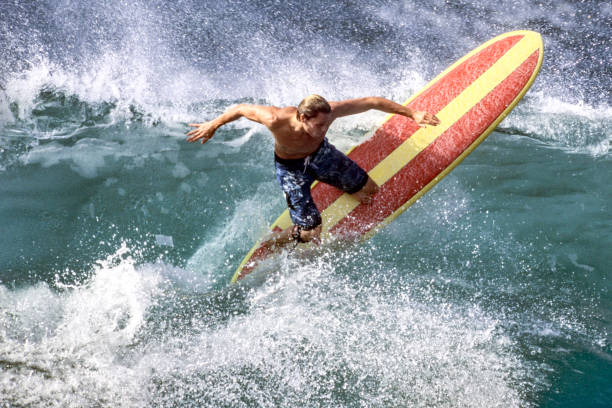
This is where the tribe finds its footing. The social structure of a dawn patrol crew is not hierarcical in the way a corporate office is. Respect is earned not by money or titles, but by your ability to read the ocean. The guy who sits a little deeper and catches the first wave of the set before anyone else even sees it coming earns a certain quiet deference. The woman who can hold her line on a steep, pitching wave and make it look effortless commands the same kind of respect. But the real glue of the tribe is not competition. It is the silent understanding that you are all out there for the same reason. You are chasing the same fleeting moment of weightlessness, the same clean glide across a wall of water that has traveled thousands of miles to break right there.
The language of this tribe is subtle. A nod of the head from one surfer to another as they paddle past. A simple shaka thrown from the shoulder of a wave. Words like “goofy” and “regular,” “closeout” and “wall,” become the currency of connection. There is an unspoken code in the water, a rhythm to who takes off and who pulls back. When a surfer blows a wave, there is no loud laughter, just the occasional whispered ribbing on the beach later. When someone gets a barrel, the whole lineup goes quiet for a second, a collective appreciation for the stoke they all understand.
But the tribe extends beyond the water. It is in the tailgate sessions after the surf, where the sun has fully risen and the wind has started to chop up the waves. Someone pulls out a thermos of coffee. Someone else has a bag of stale bagels. Conversations drift from the morning’s best rides to the state of the sandbar to the new fin setup that might just unlock a little more speed. It is in these moments of post-surf exhaustion, with salt crusted on your skin and sand in your hair, that deep bonds are formed. You learn who is having a rough time at home, who just got fired, who is fighting an injury. The sea has a way of softening the hard edges of human interaction. You cannot stay mad or sad for long when you have just spent an hour playing in the ocean.
Finding your tribe in surfing is not about finding the most advanced surfers or the most stylish ones. It is about finding the people who share your same relationship with the ocean. For the dawn patrol crew, it is the early morning commitment. For others, it is the after-work glass-off or the weekend road trip chasing a south swell. There are tribes for longboarders who want to glide and noseride, tribes for shortboarders who want to gouge turns, tribes for bodysurfers and foilers and everyone in between. You just have to show up consistently. You have to be the person who is there, session after session, through the flat days and the crowded ones.
The payoff is profound. Once you are in the tribe, you are never truly alone in the water. You have someone watching your back, someone to warn you about the rip, someone to share the stoke with when a set wave comes through that is just the right size. You become a part of something larger than yourself. You become a link in a chain that stretches back to ancient Polynesian wave riders and forward to the groms who will one day take your spot in the dawn patrol parking lot. That is the soul of the surfing community. It is not a place. It is a connection. And once you find it, you stop looking for the perfect wave. You realize you have been riding it all along.