The History of Surf Brands

Live Surf Cams

Surfline Live is a 24/7 glimpse into the world’s surf.

This stream moves through Surfline's global camera network, showing spots where it’s daylight and rated Fair or better.

What's The Deal With...?

Surf History & Legends

How has women’s surfing style evolved over the decades?

From graceful nose-riding on longboards in the ’60s to today’s full-throttle power carves. Early style was often about poise and trim. Then, in the ’90s, Lisa Andersen revolutionized everything with an aggressive, rail-to-rail approach borrowed from the guys, but with her own fluid grace. Today, you see a beautiful blend: the powerful, progressive maneuvers of Carissa Moore mixed with the effortless flow of Steph Gilmore. It’s about powerful expression, not just imitation.

Why is the wave at Pipeline so heavy and iconic?

Pipe is the ultimate test. A shallow, razor-sharp reef focuses Pacific swells into thick, hollow lefts that throw over like a freight train. It’s the pinnacle of power and consequence, separating the pros from the rest. Getting barreled here is the dream shot for a reason—it’s a perfect, terrifying tube. Respect for the break and those who ride it is everything in the North Shore hierarchy.

What’s their approach to surfing big, heavy waves?

They’re charging with a mix of raw courage and smart preparation. They use jet ski assists to get more waves in a session, study footage of the break relentlessly, and train specifically for breath-holding and impact. There’s huge respect for the legends who paved the way, but they’re adding their own high-speed, critical approach. They’re not just surviving massive drops; they’re looking for turns and barrels in the belly of the beast. It’s a new era of calculated, powerful big-wave surfing.

Surf Lingo & Slang

What does it mean to “get shacked”?

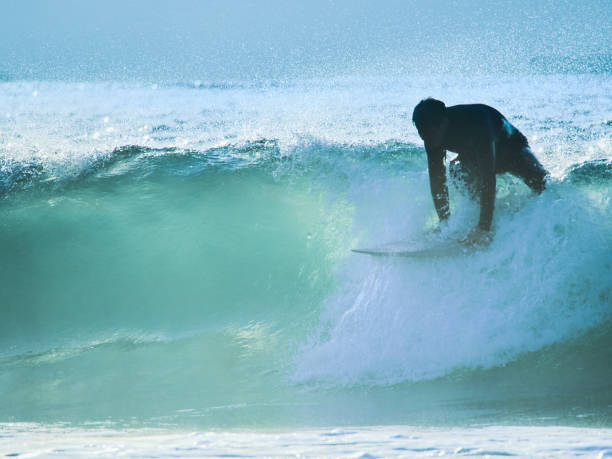
Getting shacked is the ultimate prize—it means you’ve made it into the tube, the hollow part of a breaking wave where the lip curls over you. It’s that green, cathedral-like room you see in photos. Time slows down, the sound of the wave roars, and you’re in a brief, beautiful tunnel of water. It’s pure magic and the feeling every surfer chases. Whether you make it out or get spit out, that moment inside is what keeps us coming back for more.

What’s the deal with “kook” etiquette?

A kook isn’t just a beginner; it’s someone who doesn’t respect the lineup’s unwritten rules. Key things to avoid: ditching your board near others, paddling straight for the peak and snaking everyone, or dropping in on someone who’s already riding. Be aware, wait your turn, and always hold onto your board. We all started somewhere, but showing respect and a willingness to learn is what separates a respectful grom from a true kook. Don’t be that guy.

How does onshore wind mess up a surf session?

Onshore wind blows from the ocean onto the land, and it’s often a wave killer. It chops up the face, makes things messy and bumpy, and can turn clean lines into a mushy, crumbly mess. It’s harder to paddle out through, and the waves lack power and shape. While it’s not always terrible for beginners on soft-tops, most surfers groan when the wind switches onshore.